
Short Answer
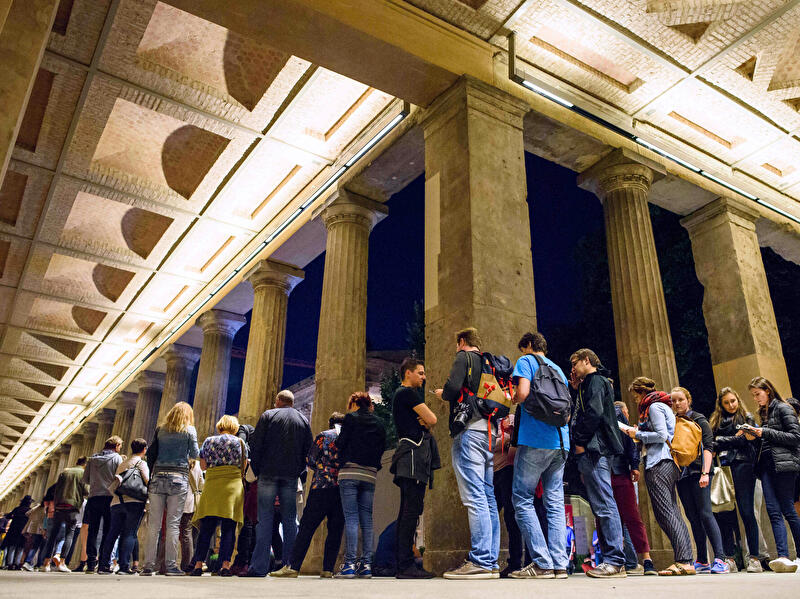
Berlin’s museums are a testament to the city’s rich history, diverse cultures, and artistic achievements. Visitors are often struck by the depth and variety of exhibits, a fascination rooted not only in the artifacts themselves but also in the stories they tell about human civilization, conflict, and creativity. Exploring these museums reveals layers of time, offering insights into past societies, cultural shifts, and the resilience of art and history. Here are the top 10 things to see in Berlin museums that capture the essence of this extraordinary city.
1. The Ishtar Gate at the Pergamon Museum
The reconstructed Ishtar Gate, originally erected in Babylon around 575 BC, is an imposing sight. Its vibrant blue-glazed bricks and intricate reliefs offer a window into ancient Mesopotamian civilization. Visitors are often drawn to its majestic scale, which reflects the power and sophistication of early empires. The gate also symbolizes the complex journey of cultural artifacts across continents and time.
2. The Bust of Nefertiti at the Neues Museum
This iconic sculpture of the Egyptian queen is world-famous for its exquisite craftsmanship and enigmatic expression. The bust’s allure lies not just in its beauty but in the glimpse it provides into ancient Egyptian artistry and the political power wielded by royal women. It embodies enduring questions about identity and cultural heritage.
3. The Berlin Wall Documentation at the Topography of Terror
Artifacts, photographs, and interactive exhibits delve into the history of Nazi Germany and the impact of the Berlin Wall. This museum doesn’t just display historical evidence; it confronts visitors with the consequences of totalitarianism and division, shedding light on the city’s turbulent 20th-century history.
4. Masterpieces at the Gemäldegalerie
Housing works from the 13th to 18th centuries, the Gemäldegalerie showcases paintings by artists such as Rembrandt, Vermeer, and Caravaggio. This collection reflects the evolution of European art traditions, enticing visitors through the beauty and technical mastery of the artworks. It provokes contemplation on how art shapes cultural and historical narratives.
5. The Computer Games Museum
Offering an interactive journey through the history of video games, this museum captures a modern facet of cultural fascination. It traces how digital entertainment has become a global phenomenon, influencing art, storytelling, and social interaction, making it relevant to both older visitors and younger generations.
6. The Jewish Museum Berlin’s Architecture and Exhibits
The museum’s striking building, designed by Daniel Libeskind, itself represents shattered history and remembrance. Inside, exhibitions explore Jewish history, culture, and the devastating impact of the Holocaust. Visitors find themselves immersed in narratives of survival, identity, and resilience.
7. The DDR Museum’s Immersive Experience
Providing a hands-on look at everyday life in East Germany, this museum fascinates because it humanizes a political era through ordinary objects and stories. It invites visitors to step back in time and understand a society marked by surveillance, shortages, and ideological conflict.
8. The Ethnological Museum’s African and Oceanic Collections
This museum showcases artifacts from diverse cultures around the globe. The collections prompt reflection on how museums present non-Western cultures and the histories of colonialism, sparking deeper discussions about cultural exchange and appropriation.
9. The Museum of Natural History’s Dinosaur Skeletons
Displaying some of the most complete dinosaur fossils in the world, this museum captivates with its tangible connection to prehistoric life. The awe inspired by these enormous skeletons taps into a universal curiosity about Earth’s distant past and biological evolution.
10. The Bauhaus Archive’s Collection of Modernist Designs
Dedicated to the influential Bauhaus movement, this museum exhibits furniture, graphics, and architecture models. It highlights how design and art can be interwoven with social ideals, making it a point of intrigue for those interested in the intersection of creativity and everyday life.
FAQ
What are the must-see museums in Berlin?
Key museums include the Pergamon Museum, Neues Museum, Topography of Terror, Gemäldegalerie, Jewish Museum Berlin, DDR Museum, Ethnological Museum, Museum of Natural History, Computer Games Museum, and the Bauhaus Archive.
Which Berlin museum features the Ishtar Gate?
The Pergamon Museum houses the reconstructed Ishtar Gate.
Where can I see the Bust of Nefertiti in Berlin?
The Bust of Nefertiti is located at the Neues Museum.
What can visitors learn at the DDR Museum?
The DDR Museum offers an immersive experience of everyday life in East Germany, showcasing political and social history through objects and stories.
Is there a museum in Berlin dedicated to computer games?
Yes, the Computer Games Museum offers an interactive journey through the history of video games.




Leave a Reply