
Short Answer
Kyoto, often regarded as the cultural heart of Japan, captivates visitors with its seamless blend of ancient tradition and serene natural beauty. While iconic sites like Kinkaku-ji and Fushimi Inari Shrine attract millions annually, the city’s true charm lies in its lesser-known corners and unexpected experiences. These hidden gems reveal why Kyoto fascinates beyond its headline attractions, inviting travelers to delve deeper into its subtle layers of history, spirituality, and everyday life. Here is a curated list of the top 10 things to do in Kyoto that offer both classic allure and off-the-beaten-path discoveries.
1. Explore the Philosopher’s Path
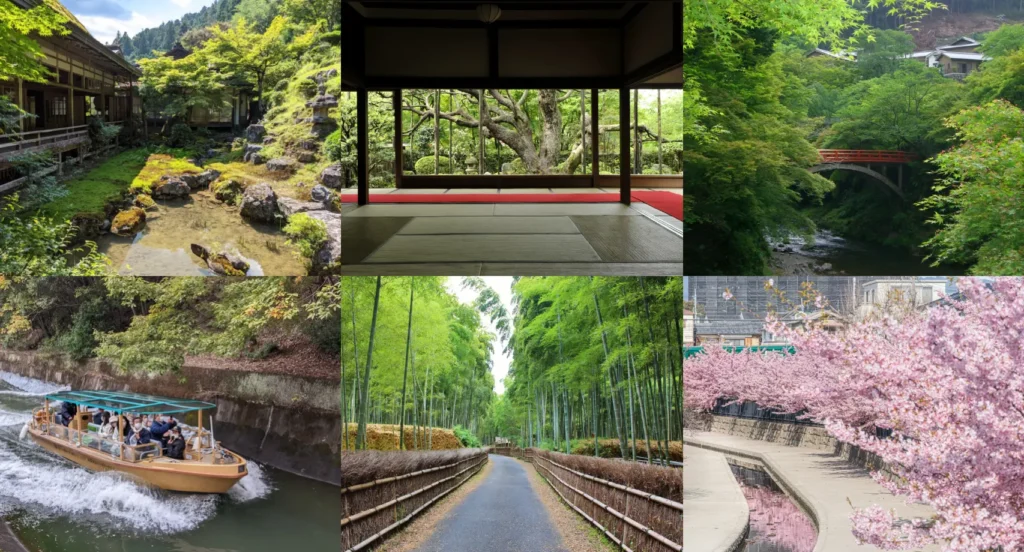
This tranquil pedestrian walkway follows a canal lined with hundreds of cherry trees, stretching from Ginkaku-ji to Nanzen-ji. Beyond its seasonal beauty, the path earned its name from the philosopher Nishida Kitaro, who is said to have meditated while walking here. The quiet atmosphere allows for reflection amid Kyoto’s urban rhythms, embodying the city’s contemplative spirit.
2. Visit Honen-in Temple
Often overshadowed by larger temples, Honen-in offers an intimate spiritual experience with its moss-covered gardens, rustic architecture, and peaceful woodland setting. The temple’s understated aesthetic and minimalist approach provide a contrast to the more ornate sites, hinting at the deep Buddhist philosophies that influence Kyoto’s cultural fabric.
3. Wander through Nishiki Market
Known as “Kyoto’s Kitchen,” Nishiki Market is a bustling corridor where locals shop for fresh produce, seafood, and traditional snacks. More than a tourist attraction, it reflects Kyoto’s culinary heritage and regional palate, offering insight into the daily lives and tastes that have shaped the city’s identity.
4. Discover Otagi Nenbutsu-ji
This hidden temple in the Arashiyama district is famed for its 1,200 stone statues of rakan, disciples of Buddha, each with unique expressions and postures. Their playful and sometimes mischievous character provides a rare glimpse into a more humanized aspect of Buddhist religion rarely seen in grandeur-focused temples.
5. Stroll the Sagano Bamboo Grove early morning
While the bamboo grove is widely known, visiting early in the morning before the crowds offers a transformative experience. The towering bamboo stalks envelop visitors in a meditative silence, allowing one to understand why bamboo’s symbolic resilience and grace are revered in Japanese culture.
6. Relax at Kyoto Imperial Palace Park
More than just the site of the city’s former imperial residence, the vast park surrounding the palace is a serene oasis adorned with seasonal flowers, spacious lawns, and peaceful ponds. It provides a glimpse into Kyoto’s aristocratic past while serving as a local favorite for relaxation and recreation.
7. Enjoy Kaiseki dining in Gion’s back alleys
Kyoto’s haute cuisine, known as kaiseki, emphasizes seasonal ingredients and artistic presentation. Exploring the back streets of Gion, the historic geisha district, reveals small, intimate restaurants where this culinary art form is preserved. This gastronomic experience is a window into the city’s refined cultural traditions.
8. Visit the Kyoto International Manga Museum
Beyond historical culture, the Manga Museum showcases contemporary Japanese pop culture’s global impact. Housing hundreds of thousands of manga issues, it invites visitors to explore modern storytelling that continues to influence Kyoto’s and Japan’s cultural evolution.
9. Take a boat ride on the Hozu River
For a scenic adventure away from the urban bustle, a traditional boat ride down the Hozu River offers spectacular views of mountains, forests, and rock formations. This natural escape highlights the geographic diversity that complements Kyoto’s cultural landscape.
10. Explore the hidden gardens of Shinnyo-do Temple
Shinnyo-do, a gem often missed by tourists, boasts exquisite gardens designed for year-round beauty. The temple’s quiet nooks and vibrant seasonal displays embody the Japanese aesthetic of impermanence, inviting visitors to appreciate subtle changes and the passage of time.
FAQ
What are some lesser-known places to visit in Kyoto?
Lesser-known places include Honen-in Temple, Otagi Nenbutsu-ji with its unique stone statues, and the hidden gardens of Shinnyo-do Temple.
When is the best time to visit the Sagano Bamboo Grove?
Early morning visits to the Sagano Bamboo Grove are recommended to avoid crowds and enjoy a peaceful, meditative atmosphere.
What is Kaiseki dining in Kyoto?
Kaiseki is a traditional multi-course haute cuisine emphasizing seasonal ingredients and artistic presentation, especially found in Gion’s back alleys.
Are there cultural museums worth visiting in Kyoto?
Yes, the Kyoto International Manga Museum offers insight into Japan’s popular culture and its global influence.





Leave a Reply