
Short Answer
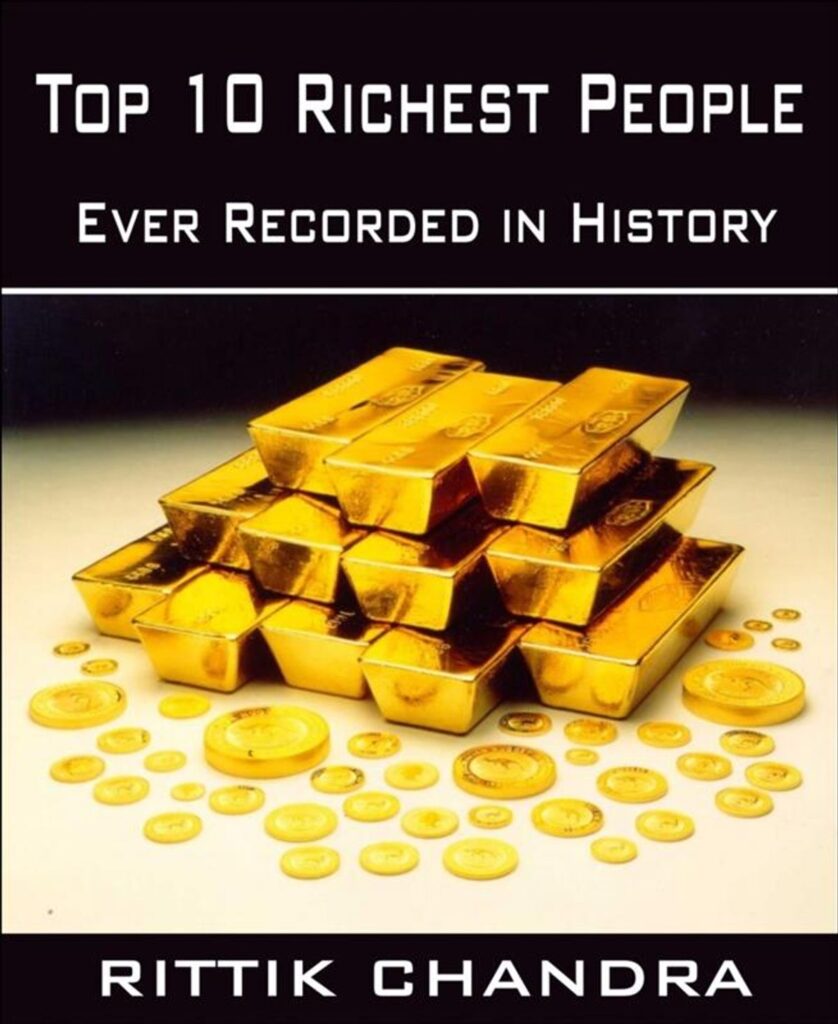
Throughout the annals of history, the concept of wealth has not only been a marker of success but also a reflection of power, ambition, and influence. Imagine being one of the richest people who ever walked the Earth—what sort of legacy could such a fortune create? Preparing for a challenge, allow yourself a moment to ponder whether the riches amassed by these historical figures can inspire your aspirations. Without further ado, let’s explore the top ten richest people ever, ranked not only by their immense fortunes but by the indelible marks they left on history.
1. Mansa Musa (circa 1280–1337)
Often heralded as the richest man in history, Mansa Musa was the emperor of the Mali Empire during the 14th century. His wealth primarily derived from the vast resources of gold and salt that his empire controlled. Musa’s legendary pilgrimage to Mecca in 1324 saw him distribute gold so generously that he inadvertently caused inflation across regions he traversed. Musa’s reign is characterized by unbridled opulence and architectural advancements, including the renowned Djinguereber Mosque in Timbuktu, highlighting his formidable influence on both African society and global trade.
2. Augustus Caesar (63 BC–AD 14)
The first Roman emperor, Augustus, transformed a republic into a powerful empire that flourished under his rule. His net worth, adjusted for inflation, is estimated to be in the trillions. Augustus had command over approximately 20% of the world’s economy, utilizing his resources to maintain peace and stability—often referred to as the Pax Romana. His wealth, derived from conquests, tributes, and vast land ownership, allowed him to undertake monumental public works and foster the arts, solidifying his legacy in historiography.
3. John D. Rockefeller (1839–1937)
As a titan of the American oil industry, John D. Rockefeller became synonymous with industrial wealth. His net worth peaked at an astonishing $400 billion in today’s dollars due to his control over Standard Oil. Not just a businessman, Rockefeller’s philanthropic endeavors established institutions and foundations that continue to influence healthcare and education. His legacy underscores the complexity of wealth as both a means of progress and a subject of controversy regarding monopolistic practices.
4. Andrew Carnegie (1835–1919)
Emerging from humble beginnings, Andrew Carnegie rose to prominence in the steel industry, ultimately founding Carnegie Steel. With a fortune of around $310 billion today, Carnegie’s influential role in the American Industrial Revolution cannot be overstated. Illustrating the adage “the best use of wealth is to give it away,” he dedicated much of his fortune to philanthropic causes, including the establishment of libraries and educational institutions that have enriched countless lives.
5. Joseph Stalin (1878–1953)
A controversial figure in history, Joseph Stalin’s wealth—though not personal in the conventional sense—was derived from the resources and assets of the Soviet state he controlled. As the leader of the USSR, he wielded power over a vast economy, propelling the nation into becoming a global superpower. Stalin’s extensive control over state resources reflects a unique intersection of political authority and economic force, illustrating the potential of wealth as a tool for societal transformation—albeit through autocratic means.
6. Bill Gates (1955–present)
As the co-founder of Microsoft, Bill Gates revolutionized personal computing, amassing a staggering fortune over the course of the digital revolution. His wealth, which peaked at over $130 billion, is matched only by his philanthropic footprint through the Bill & Melinda Gates Foundation. Gates represents the shift from industrial wealth to digital capitalism, demonstrating how innovation can result in financial success that can also lead to significant societal contributions through philanthropy.
7. Warren Buffett (1930–present)
Known as the “Oracle of Omaha,” Warren Buffett has become one of the most successful investors of all time. His net worth, hovering around $100 billion, stems from his adeptness in identifying undervalued companies and investing wisely. Buffett’s commitment to frugality and his philanthropic pledge to give away 99% of his wealth encapsulate a paradox: a lustrous fortune marked not just by its magnitude but by the wisdom in its stewardship.
8. Henry Ford (1863–1947)
A revolutionary figure in automotive history, Henry Ford’s introduction of assembly line production principles transformed manufacturing and society itself. His wealth, peaking at about $200 billion today, was a product of not merely selling cars, but redefining mobility. Ford’s investments in employee welfare and industrial philanthropy have left an indelible mark on capitalism, showcasing wealth as a conduit for innovation and social reform.
9. Markus Persson (1979–present)
The brain behind the wildly popular game Minecraft, Markus “Notch” Persson amassed wealth rapidly, crossing the billion-dollar threshold. Though his fortune is relatively modest compared to others on this list, the impact of his work has sparked a vision of digital adventure for millions. Persson’s trajectory illustrates the transformative nature of wealth derived from creative pursuits within the rapidly evolving tech industry, emphasizing how modern fortunes are reshaped by innovation and cultural trends.
10. Michael Bloomberg (1942–present)
As the co-founder of Bloomberg L.P., Michael Bloomberg amassed a considerable fortune estimated at around $60 billion. His influence extends beyond myriad industries, notably into his philanthropic initiatives, which seek to improve education, public health, and environmental causes. Bloomberg epitomizes the multidimensional nature of wealth, extending its boundaries beyond mere accumulation into realms of advocacy, governance, and public improvement.
In contemplating the legacies of these financial magnates, one might find inspiration—a call to not only pursue wealth but to consider its purpose. Will you, too, take on the challenge of shaping your legacy? Wealth, as history shows, can be a tool for remarkable change. From the legendary Mansa Musa to the contemporary innovators of today, these figures remind us that wealth comes with the profound responsibility of influence. What mark will you leave on the world? Engage with this thought, and embrace the journey ahead.
FAQ
Who is considered the richest person in history?
Mansa Musa, the 14th-century emperor of the Mali Empire, is widely considered the richest person in history due to his immense wealth derived from gold and salt.
How is wealth estimated for historical figures?
Wealth for historical figures is often estimated by adjusting known assets, land ownership, economic control, and influence for inflation and economic context to approximate present-day values.
What are some common sources of wealth among the richest people in history?
Common sources include natural resources like gold and oil, control over vast empires or economies, industrial innovation, technological entrepreneurship, and investments.
How have the richest people influenced society beyond their wealth?
Many have used their wealth for philanthropy, public works, social reforms, and cultural advancements, leaving lasting legacies in education, health, infrastructure, and governance.




Leave a Reply