
Short Answer
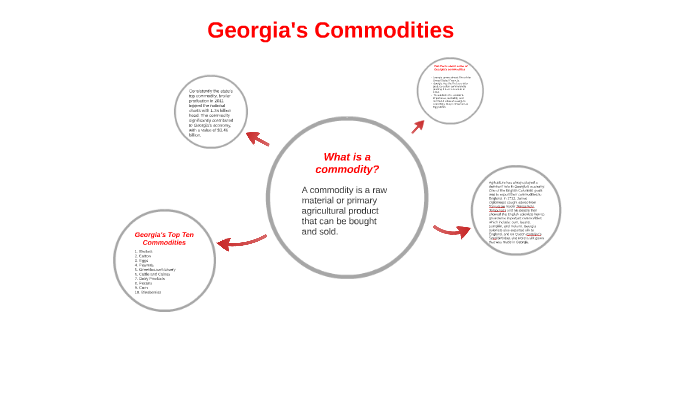
Georgia’s economy has long been recognized for its diversity and resilience, drawing interest from analysts and investors alike who seek to understand its driving forces. While many observe the state’s rapid growth and industrial boom, there’s a deeper intrigue behind which commodities truly fuel its economic might. From agricultural staples to technological resources, the commodities powering Georgia’s economy reveal much about the state’s strategic advantages and market dynamics. Here are the top 10 commodities that play a pivotal role in Georgia’s economic landscape.
1. Poultry
Georgia is the nation’s leading producer of poultry, particularly broilers (young chickens). The state’s dominance in this sector is not just about volume but also about the integration of processing facilities, feed production, and export channels. Poultry’s pervasiveness aligns with consumer demand trends and export markets, making it a cornerstone of Georgia’s agricultural economy.
2. Cotton
Cotton remains a historic and economically significant commodity for Georgia. The state’s fertile soils and favorable climate support high-quality cotton production, which feeds into the textile and manufacturing industries. Despite fluctuations in commodity prices, cotton’s role in rural employment and export revenue remains substantial.
3. Peanuts
Georgia is a key player in the U.S. peanut market, supplying a majority of the nation’s peanuts. This commodity is prized not only as a raw agricultural product but also for its value-added goods like peanut butter and snack foods. The state’s specialization in peanuts reflects both favorable agronomic conditions and processing infrastructure.
4. Soybeans
Another major agricultural commodity, soybeans contribute significantly to Georgia’s farm income. The versatility of soybeans—from animal feed to industrial products—ensures steady demand. Advances in farming technology and crop rotation practices have further boosted soybean yields in the state.
5. Forestry Products
Georgia’s vast forest lands supply timber, pulp, and paper products, making forestry one of the top economic contributors. Sustainable forestry practices and a thriving wood products industry support both rural employment and export markets, emphasizing the commodity’s long-term economic importance.
6. Corn
Corn production in Georgia has expanded due to its dual use in food products and biofuels. The state’s corn crops benefit from irrigation projects and improved seed technology, positioning corn as a critical commodity in meeting both domestic consumption and energy sector needs.
7. Peaches
Known as the “Peach State,” Georgia’s peaches are iconic and economically significant. The fruit supports local growers and farmers’ markets while reinforcing the state’s agricultural branding, attracting tourism and preserving cultural identity alongside economic value.
8. Electricity (Natural Gas and Renewable Sources)
While not a traditional commodity, electricity generation—particularly from natural gas and increasingly from renewable sources like solar—is a critical input commodity for Georgia’s industries. The expansion of energy infrastructure supports manufacturing and technology sectors, highlighting energy’s role in the state’s broader economic engine.
9. Automotive Parts
Georgia has emerged as a crucial hub for automobile manufacturing and parts production. Commodities such as steel and specialized components manufactured or assembled in the state have made it a significant player in the national automotive supply chain, boosting industrial growth and export potential.
10. Transportation and Distribution Services
Although a service more than a traditional commodity, the transportation and logistics industry in Georgia plays an outsized role tied to the movement of physical goods—especially through the Port of Savannah. The efficiency and scale of this sector underpin many commodity movements, magnifying the economic impact of goods passing through the state.
FAQ
What are the main agricultural commodities driving Georgia's economy?
The main agricultural commodities include poultry, cotton, peanuts, soybeans, forestry products, corn, and peaches.
How does electricity contribute to Georgia's economy?
Electricity generation from natural gas and renewable sources supports manufacturing and technology sectors, making it a critical input commodity.
Why is transportation and distribution important for Georgia's economy?
The transportation and logistics sector, especially through the Port of Savannah, facilitates the movement of goods, amplifying the economic impact of commodities passing through the state.
Is automotive manufacturing significant in Georgia?
Yes, Georgia is a key hub for automobile parts production, boosting industrial growth and export potential.




Leave a Reply