
Short Answer
Colombia’s economy has long drawn attention for its diverse exports that fuel growth and development. While many may simply note the country’s rich natural resources, a closer look reveals a complex web of industries and products that contribute significantly to its economic stability. From agricultural staples to manufactured goods, Colombia’s export portfolio showcases its unique advantages in both global trade and regional markets. Below is an exploration of the top 10 exports driving Colombia’s economy, shedding light on the factors that make these sectors central to its continued prosperity.
1. Crude Petroleum
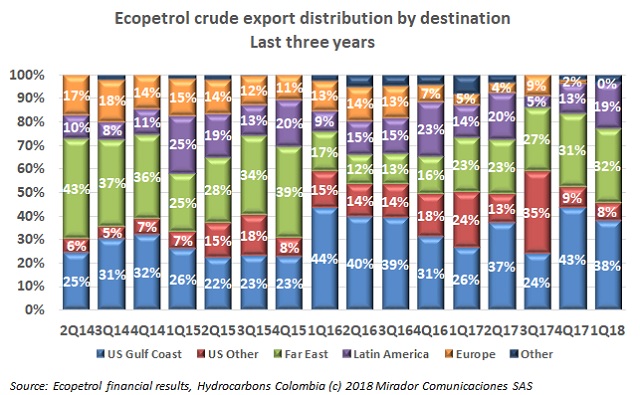
Crude petroleum stands as one of Colombia’s most valuable exports, largely due to the country’s strategic oil reserves and extraction capacity. Petroleum accounts for a significant share of Colombia’s export revenues, supplying international markets with essential energy resources. Despite fluctuations in global oil prices, this sector remains a cornerstone of the nation’s economy, supported by ongoing exploration and production efforts.
2. Coffee
Colombia is world-renowned for its premium coffee beans, particularly Arabica varieties. Coffee exports not only represent a major source of foreign exchange but also symbolize Colombia’s cultural and agricultural heritage. The country’s favorable climate and geographic conditions contribute to the production of high-quality beans that meet growing international demand.
3. Coal
Coal exports play a critical role in Colombia’s economy, given the country’s abundant coal reserves. As a fuel source for electricity generation and industrial processes, Colombian coal is an important commodity for countries with significant energy needs, especially in Asia and Europe. Efficient mining operations have enabled Colombia to remain competitive in the global market.
4. Gold
Gold mining is a historic and lucrative industry in Colombia, with exports ranking among the top precious metals globally. The country’s gold is prized both for its purity and its significance in the global jewelry and investment markets. Regulatory improvements and technological advancements have enhanced production volumes, ensuring continued contribution to export earnings.
5. Bananas
Bananas are a staple agricultural export for Colombia, supplying a reliable source of income for many rural communities. The country’s tropical climate and extensive farming areas support year-round production, making Colombian bananas a competitive player in international markets such as Europe and the United States.
6. Flowers
Colombia’s flower industry is uniquely positioned as one of the largest exporters globally. Roses, carnations, and chrysanthemums are cultivated extensively, with a strong focus on quality and freshness. This sector benefits from proximity to major markets and efficient logistics, helping sustain its role in the country’s export economy.
7. Textiles and Apparel
The textile and apparel industry in Colombia has grown considerably, combining access to natural fibers with skilled labor and modern manufacturing technologies. Exports of clothing and fabrics appeal to both regional and international markets, reflecting the country’s efforts to diversify its export base beyond raw materials.
8. Chemicals
Chemical products, ranging from fertilizers to pharmaceuticals, have risen as important exports for Colombia. This industry leverages domestic raw materials and scientific innovation, meeting the demands of agricultural sectors worldwide as well as industrial and consumer markets.
9. Shrimp and Seafood
With extensive coastlines along both the Pacific Ocean and Caribbean Sea, Colombia’s seafood exports, particularly shrimp, have experienced growth. Sustainable aquaculture practices and increasing global appetite for fresh and processed seafood bolster this sector’s contribution to export revenues.
10. Emeralds
Colombia holds the reputation as the world’s primary source of high-quality emeralds, making these precious gems a key export. The emerald trade benefits from centuries-old mining traditions combined with modern certification and marketing efforts, appealing especially to luxury markets around the world.
FAQ
What are the main exports that boost Colombia's economy?
Colombia's main exports include crude petroleum, coffee, coal, gold, bananas, flowers, textiles, chemicals, shrimp and seafood, and emeralds.
Which sector contributes the most to Colombia's export revenues?
Crude petroleum is among the most valuable exports contributing significantly to Colombia’s export revenues.
How does Colombia's climate affect its exports?
Colombia's favorable tropical climate supports year-round agricultural production of coffee, bananas, and flowers, enhancing its export capacity.





Leave a Reply