
Short Answer
In the dynamic arena of healthcare, the effective management and dissemination of medical imaging data are paramount. Picture a world where radiologists can seamlessly access, manipulate, and analyze diagnostic images without delay or complication. This is where Picture Archiving and Communication Systems (PACS) come into play. These sophisticated systems not only streamline the workflow of healthcare providers but also elevate patient care standards. However, with numerous options available, how can a healthcare facility determine which PACS system is the ideal fit? This leads us to an intriguing challenge: could the perfect PACS solution be just around the corner, or is it an elusive phantom haunting healthcare executives? In this article, we will delve into the top 10 PACS systems that stand out for their functionality, usability, and innovation, providing healthcare providers with invaluable insights to navigate their decision-making process.
1. Carestream Health
Renowned for its robust solutions, Carestream Health excels in providing an intuitive user interface combined with powerful analytical tools. Their PACS system offers cloud-based storage, which facilitates easy access to imaging data from multiple devices. This flexibility is crucial in today’s mobile-centric healthcare environment. The integrated tools for radiologists help streamline workflows and minimize turnaround times, allowing for faster diagnosis and treatment planning. One of its notable features is the enhanced collaboration it fosters among healthcare teams, ensuring that everyone is on the same page when it comes to patient care.
2. GE Healthcare’s Centricity PACS
GE Healthcare’s Centricity PACS is an industry stalwart, known for its comprehensive capabilities in imaging management. With advanced tools designed for workflow optimization and a suite of customizable options, it caters adeptly to diverse healthcare facilities. The system supports multiple imaging modalities, allowing users to consolidate various imaging processes. Its impressive scalability ensures that as a facility grows, the PACS can adapt without requiring a complete overhaul, making it a wise investment for evolving healthcare organizations.
3. Siemens Healthineers’ syngo.plaza
Siemens Healthineers’ syngo.plaza represents a paradigm shift in the realm of medical image management. By prioritizing efficiency and user-centric design, this PACS offers clinicians the ability to easily view, archive, and share images with remarkable speed. One unique feature is its intelligent image analysis tools, which enable clinicians to derive insights directly from imaging studies. This capability not only expedites diagnoses but also empowers healthcare providers with valuable data analytics to improve patient outcomes.
4. Philips IntelliSpace PACS
Philips IntelliSpace PACS stands out for its seamless integration capabilities with other healthcare systems, facilitating interoperability across various departments. This system emphasizes a collaborative approach to care, housing advanced image-sharing options that support multidisciplinary teams. The customizable dashboards allow users to create workflows tailored to their specific needs, thereby enhancing productivity and minimizing errors. IntelliSpace PACS embodies the future of integrated healthcare, promising all-encompassing access to critical imaging information.
5. Fujifilm Synapse
Fujifilm’s Synapse PACS simplifies the complexity of clinical workflows with its user-friendly interface and remarkable integration capabilities. One of its standout features is the ability to access images via web-based platforms, granting remote users access without sacrificing security. This system is especially beneficial for telemedicine, a growing trend in healthcare that demands flexibility and responsiveness. Moreover, Fujifilm’s commitment to enhancing image quality ensures clinicians receive only the best data to inform their decisions.
6. INFINITT PACS
With a focus on high performance and efficiency, INFINITT PACS provides comprehensive solutions that meet the diverse needs of various healthcare settings. Its advanced 3D imaging capabilities and support for multiple modalities distinguish it as a formidable option for radiologists. The customizable reporting features and integration with electronic health records (EHRs) streamline communication between departments, ultimately contributing to improved patient safety and care continuity.
7. Merge PACS
Known for its versatile application, Merge PACS integrates imaging data with other healthcare information systems to provide a holistic view of patient health. Ideal for ambulatory and hospital settings alike, it offers cloud-based storage solutions that enhance accessibility for providers while ensuring compliance with stringent regulations. The software’s analytical tools enable healthcare professionals to derive actionable insights, helping them to make informed clinical decisions based on real-time data.
8. Agfa Healthcare’s IMPAX
Agfa’s IMPAX is another robust player in the PACS arena, offering state-of-the-art imaging technology that supports clinicians throughout the patient care continuum. Its impressive scalability and configuration capabilities allow it to embody a one-size-fits-all solution suitable for varied institutional needs. The system also enhances radiology reporting with sophisticated tools that facilitate fast and accurate communication between caregivers while ensuring prompt delivery of results to patients and referring physicians.
9. Visage Imaging
Visage Imaging is revolutionizing the PACS landscape with its unique zero-footprint viewer technology. This eliminates the need for extensive client-side installations, making it a more streamlined option for healthcare providers. The platform supports advanced visualization and analysis tools, allowing for greater clinical insights without comprising on performance. The emphasis on cloud capability offers a level of flexibility and scalability, making Visage a notable contender for organizations looking to modernize their imaging workflow.
10. Oracle Health Sciences (formerly Cerner)
Oracle Health Sciences offers a comprehensive imaging solution that integrates seamlessly with its broader EHR systems. The PACS by Oracle is lauded for its robust capabilities in data analytics, helping organizations propel their imaging and reporting processes forward. Features such as AI-assisted imaging analysis present novel opportunities for enhancing diagnostic accuracy and improving overall patient management. As organizations face mounting pressures to achieve operational efficiencies, Oracle Health Sciences proves to be a strong ally in their endeavors.
In conclusion, the selection of a PACS system can pose significant challenges for healthcare providers, given the variety of options that cater to differing needs and workflows. Each of the mentioned systems presents unique features and advantages that can enhance the imaging process and improve patient care. Evaluating the specific demands and future growth potential of a facility is essential in choosing the right PACS system. After all, the optimal solution ensures that healthcare providers can focus on what truly matters—their patients.
FAQ
What is a PACS system?
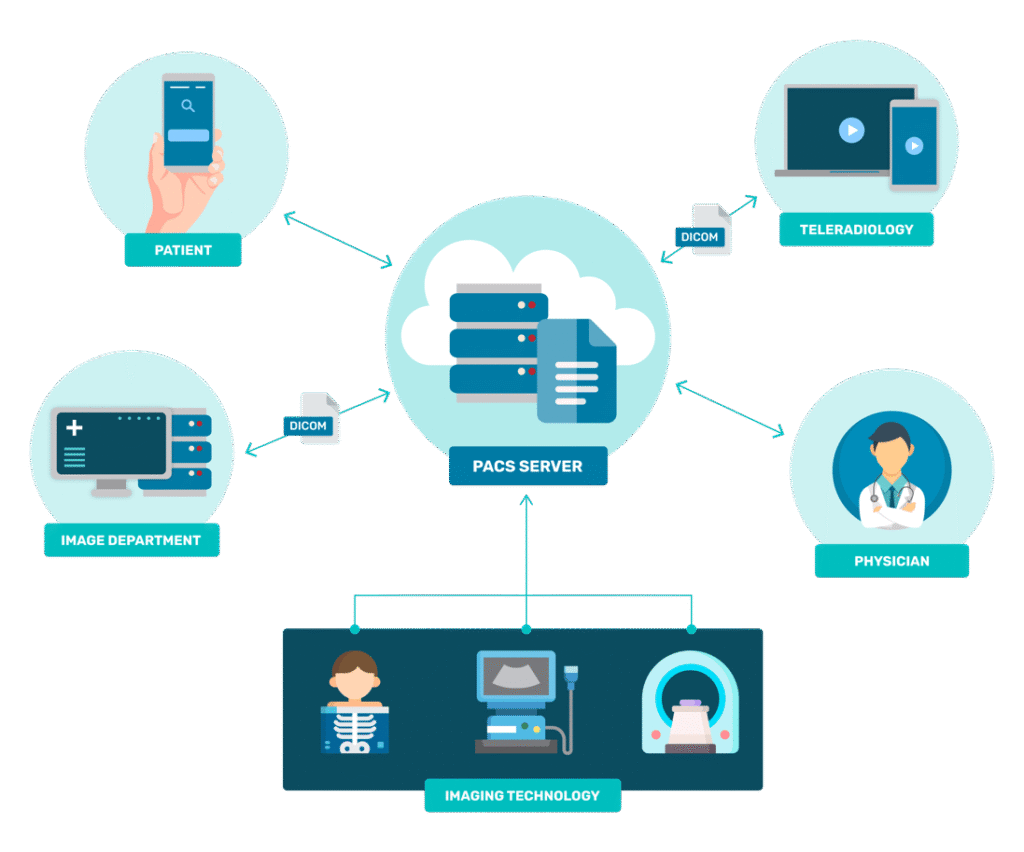
A PACS (Picture Archiving and Communication System) is a medical imaging technology used primarily in healthcare to securely store, digitally transmit, and manage diagnostic images.
How do PACS systems improve healthcare workflows?
PACS systems streamline access to imaging data, facilitate efficient collaboration among healthcare teams, and support faster diagnosis and treatment planning.
What are key features to consider when choosing a PACS system?
Important features include scalability, integration with other healthcare systems, cloud capabilities, user interface usability, and support for multiple imaging modalities.
Are PACS systems compatible with telemedicine?
Yes, many modern PACS systems support web-based access and remote viewing, making them suitable for telemedicine applications.






Leave a Reply