
Short Answer
Nature, with its symphony of calls and songs, often delights the senses, but some birds manage to elevate this auditory experience to astonishing levels. In the realm of avian communication, a select few have earned the title of the loudest birds on the planet. These remarkable creatures are not merely trying to fill the air with sound; they are asserting their presence, attracting mates, and defending territories. Buckle up as we embark on a journey through the world of sound, exploring the top ten loudest birds that challenge our perception of avian life.
1. White Bellbird
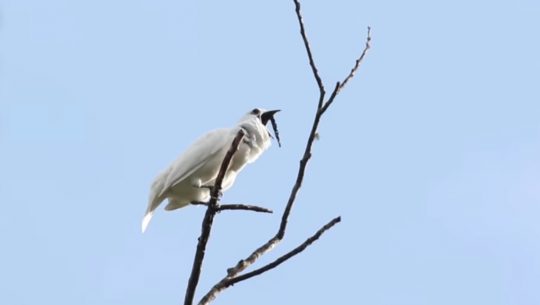
Residing in the Amazon Rainforest, the White Bellbird (Procnias albus) boasts an extraordinary reputation. Males produce an exhilarating call that can reach a staggering 125 decibels — louder than a jet engine! This convoluted cacophony serves a vital purpose during mating rituals, where males compete to attract females with their sonorous expressions. Observing this spectacle provides an unmatched auditory experience, injecting dynamism into the typically serene rainforest atmosphere.
2. Lyrebird
The Lyrebird, particularly the superb lyrebird (Menura superb), holds an unparalleled place in the avian soundscape of Australia. Renowned for its capability to mimic natural and artificial sounds, its calls can exceed 100 decibels. From chainsaws to camera shutters, these remarkable birds incorporate a vast repertoire into their songs. Their mimicry not only astounds humans but also plays a pivotal role in attracting mates, showcasing the complexity and richness of their communication.
3. Eurasian Collared-Dove
This unassuming dove, known scientifically as Streptopelia decaocto, possesses a surprisingly robust vocal presence. With calls that can reach up to 100 decibels, the Eurasian Collared-Dove has made its mark across urban landscapes and rural areas alike. Their characteristic three-part cooing is often a harbinger of peaceful mornings, but when several of these birds gather and release their calls, the effect can be overwhelming, evoking a sense of wild charm in familiar surroundings.
4. Common Loon
Stepping onto the tranquil waters of North America, the Common Loon (Gavia immer) punctuates the stillness with its haunting cries. These ethereal calls can reverberate at 90 decibels and are especially pronounced during the breeding season. Their eerie soundscape resonates deeply with all who hear it, conjuring images of calm lakes under a moonlit sky. The common loon has indelibly woven itself into the cultural tapestry of the northern wilderness, embodying both beauty and isolation.
5. Great Potoo
Hidden within the dense forests of Central and South America, the Great Potoo (Nyctibius grandis) lurks in silence, emerging only at night with its chilling call. At decibel levels that can approach 100, this nocturnal bird emits an eerie sound that could easily unsettle even the stoutest of hearts. Its voice, often described as ghostly, echoes through the jungle, marking its territory and fascinating listeners who experience this haunting melody amidst the darkened foliage.
6. Northern Mockingbird
The Northern Mockingbird (Mimus polyglottos) thrives in diverse environments across North America. A master of mimicry, this avian virtuoso can sing up to 200 different songs. With vocalizations that can reach levels near 90 decibels, their exuberant performances often take place during the breeding season, captivating audiences with their versatility. This bird’s steadfast dedication to its craft inspires a newfound appreciation for the intricate layers of communication threaded through nature.
7. California Quail
With charming plumage and a distinctive topknot, the California Quail (Callipepla californica) is not just another pretty bird. Their calls can reach decibel levels of 90 or more, marked by their melodious “Chi-ca-go” call, which resonates through the brush and shrubland. This vocalization is not merely a delightful sound; it serves as an essential means of maintaining group cohesion within their coveys, offering a glimpse into their social dynamics.
8. Kakapo
This critically endangered parrot, native to New Zealand, is not only one of the heaviest parrots but also possesses a surprisingly loud call. The Kakapo (Strigops habroptilus) has been recorded at volumes upwards of 90 decibels, particularly during its nighttime mating displays. Their booming calls echo through the environment, calling potential mates and marking territory, contributing to the conservation efforts to ensure their survival against increasing environmental threats.
9. African Grey Parrot
The African Grey Parrot (Psittacus erithacus) is renowned for its intelligence and remarkable vocal abilities, with calls that can reach 90 decibels. Their proficiency in mimicry allows them to imitate human speech and environmental sounds, making them fascinating companions for pet owners. Their vocal prowess emphasizes the deep connection that exists between animals and their environments, blending imitation and originality in a sonic tapestry.
10. American Crow
Last, but certainly not least, the American Crow (Corvus brachyrhynchos) showcases its vocal talents with a repertoire of caws that can exceed 100 decibels. Highly intelligent and social, these birds utilize their vocalizations for a variety of reasons, including alerting others to danger and communicating within their large family units. Their calls, commonly heard in both rural and urban settings, invite curiosity, compelling us to ponder the intricate lives hidden behind their raucous cries.
As we peel back the layers of avian life, it becomes evident that sound plays an indispensable role in the existence of birds. From fierce competitors to endearing novices, the loudest species not only captivate the ear but also engage the imagination. Each note, call, and song offers a tantalizing glimpse into a world of rich communication, survival, and beauty. Exploring the lives of these extraordinary birds may shift your perspective on avian abilities and their intimate resonance with the natural world, igniting a newfound respect and wonder for the creatures that share our skies.
FAQ
What is the loudest bird in the world?
The White Bellbird holds the record for the loudest bird call, reaching up to 125 decibels.
Why do birds make loud calls?
Birds use loud calls to attract mates, defend their territory, and communicate with other birds.
Can birds imitate other sounds?
Yes, species like the Lyrebird and African Grey Parrot are known for their exceptional mimicry skills.
Are any of the loud birds endangered?
The Kakapo, a loud parrot native to New Zealand, is critically endangered.
How does bird call volume compare with everyday noises?
Some bird calls can be as loud as or louder than common human noises such as motorcycles or rock concerts.





Leave a Reply