
Short Answer
Spiders are often cast as the villains in nature’s narrative, lurking in the shadows ready to pounce on unsuspecting prey. With over 45,000 known species, they elicit both fascination and fear. It’s essential to recognize that while many spiders are harmless, some possess lethal capabilities that can strike terror into the hearts of even the bravest souls. This journey through the web of the natural world brings us face to face with the ten deadliest spiders known to humanity, highlighting their unique characteristics, habitats, and the peculiarities that make their venom so potent.
1. Brazilian Wandering Spider (Phoneutria spp.)
Commonly found in the jungles of South America, the Brazilian wandering spider is infamous for its aggressive demeanor. Capable of delivering a bite that can induce excruciating pain, paralysis, and even respiratory failure, this spider is not one to be trifled with. Its potent venom features a cocktail of neurotoxins that can lead to a rare but severe condition known as priapism in males. This spider’s propensity to wander into human habitats enhances its notoriety, making it a resident evil in many regions.
2. Sydney Funnel-Web Spider (Atrax robustus)
This arachnid reigns supreme in Australia’s dark, damp corners. The Sydney funnel-web spider’s bite is highly toxic and can be fatal if left untreated. Its venom contains a potent neurotoxin that disrupts the nervous system, leading to symptoms ranging from hyperactivity to extreme muscle spasms. Remarkably, its venom is so lethal that even a single drop can spell disaster for a human, yet antivenom developed in the 1980s has significantly reduced mortality rates.
3. Black Widow Spider (Latrodectus spp.)
With its glossy black exterior and telltale hourglass marking, the black widow is as iconic as it is deadly. Found across the globe, this spider’s bite delivers a potent neurotoxin that can cause severe pain, muscle cramps, and systemic reactions. While fatalities are rare, young children and the elderly are particularly vulnerable. The psychological horror of the black widow is equally captivating as it is deadly; the myths surrounding its behavior often elevate its status to one of supernatural allure.
4. Brown Recluse Spider (Loxosceles reclusa)
The brown recluse, conspicuously marked by its violin-shaped dorsal pattern, is another spider wrapped in enigma. Native to the United States, its bite may initially appear innocuous, but it can lead to necrotic lesions and systemic illness. This slow-acting venom can cause significant tissue damage, and survivors may face a grueling recovery process marked by deep emotional and physical scars. The careful navigation of its habitat—shunning interaction with humans—does nothing to mitigate its fearsome reputation.
5. Six-Eyed Sand Spider (Sicarius spp.)
In the arid landscapes of southern Africa lurks the six-eyed sand spider, a master of ambush predation. Its cryptic coloration enables it to blend effortlessly with the sandy terrain, making it a hard target. Though rarely encountered, its bite carries a hemotoxic venom that can cause severe hemorrhaging and, in extreme cases, disseminated intravascular coagulation. Encountering this enigmatic creature sends shivers down the spine due to its hidden lethality.
6. Chilean Recluse Spider (Loxosceles laeta)
This cousin of the brown recluse is found in various regions across South and Central America while exerting a similar fear factor. Its venom can lead to severe dermonecrotic lesions, especially in individuals with compromised immune systems. The potential for serious, long-term damage from its bite adds an element of dread to its already foreboding presence. The mystery surrounding its aggressive face and alarming medical implications is a topic of great interest among arachnologists.
7. Redback Spider (Latrodectus hasseltii)
The redback spider is not only a native of Australia but also a symbol of regional folklore. Bites can lead to severe pain, nausea, and sometimes even death, particularly in vulnerable populations. Its striking appearance garners public attention; the bright red stripe along its back contrasts dramatically with its black body. Similar to its cousin, the black widow, the redback spider has a fascinating ability to adapt and flourish in human-dominated landscapes.
8. Yellow Sac Spider (Cheiracanthium spp.)
The yellow sac spider, often found in gardens and homes, might not appear formidable at first glance. Nevertheless, its bite can cause significant pain and swelling. The venom is cytotoxic, leading to skin lesions in susceptible individuals. What elevates this spider’s threat level is its unusual predatory habits, hunting down insects in an aggressive manner. Its understated appearance belies the potential for discomfort and complications that can stem from its bite.
9. Mouse Spider (Missulena spp.)
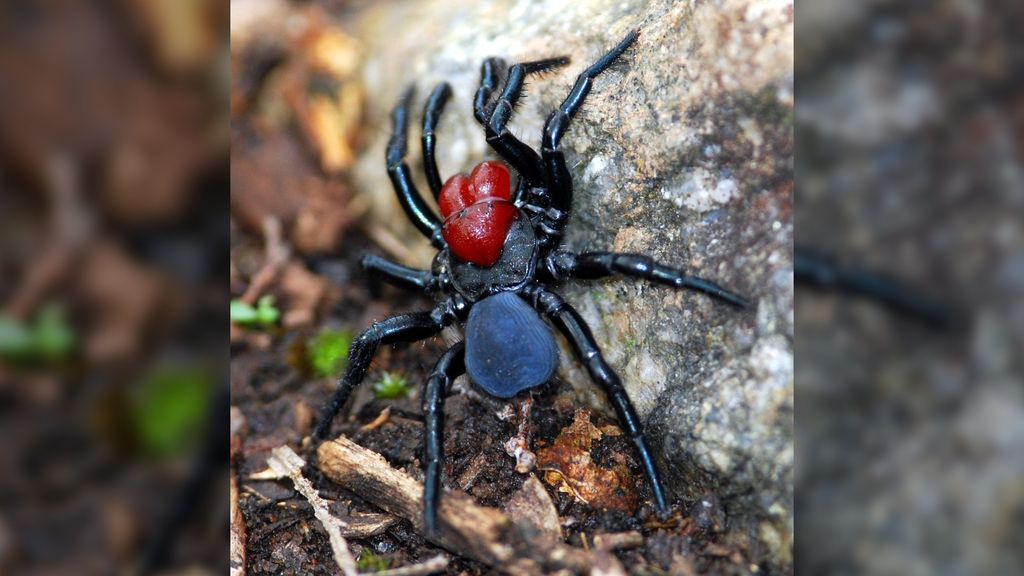
Commonly found in Australia, the mouse spider is a robust creature with a stronger bite than its more famous relatives. Its venom is neurotoxic and capable of producing severe symptoms, including respiratory difficulties and extreme pain. While fatalities are rare due to the availability of effective antivenom, the mouse spider remains a subject of fascination and fear thanks to its powerful bite and striking appearance.
10. Funnel-Web Spider (Various genera)
Distinct for their unique webs, funnel-web spiders not only possess lethal venom but exhibit intriguing behaviors. Their bites can cause severe reactions, and without prompt medical treatment, can lead to fatalities. Found across various regions, their webs often indicate a hidden peril. This web-building prowess signifies not only their role in the ecosystem but also their potential threat to unsuspecting humans.
As we peel back the layers of intrigue surrounding these formidable arachnids, it becomes clear that the perception of spiders as fearsome predators often overshadows their ecological importance. While caution is advisable when encountering these ten deadly spiders, fostering an understanding of their behaviors and habitats can pave the way for coexistence rather than fear. Each species plays an integral role in the ecosystem, reminding us that even the most lethal beings have a role in the intricate web of life.
FAQ
Are all spiders dangerous to humans?
No, most spiders are harmless to humans. Only a few species possess venom potent enough to cause serious harm or death.
What should I do if bitten by a deadly spider?
Seek immediate medical attention, especially if symptoms like severe pain, muscle spasms, or difficulty breathing occur. Antivenoms are available for some species.
How can I identify a black widow spider?
Black widow spiders are glossy black with a distinctive red hourglass marking on the underside of their abdomen.
Do all deadly spiders live in tropical regions?
No, deadly spiders are found worldwide, including temperate regions such as the United States and Australia.





Leave a Reply