
Short Answer
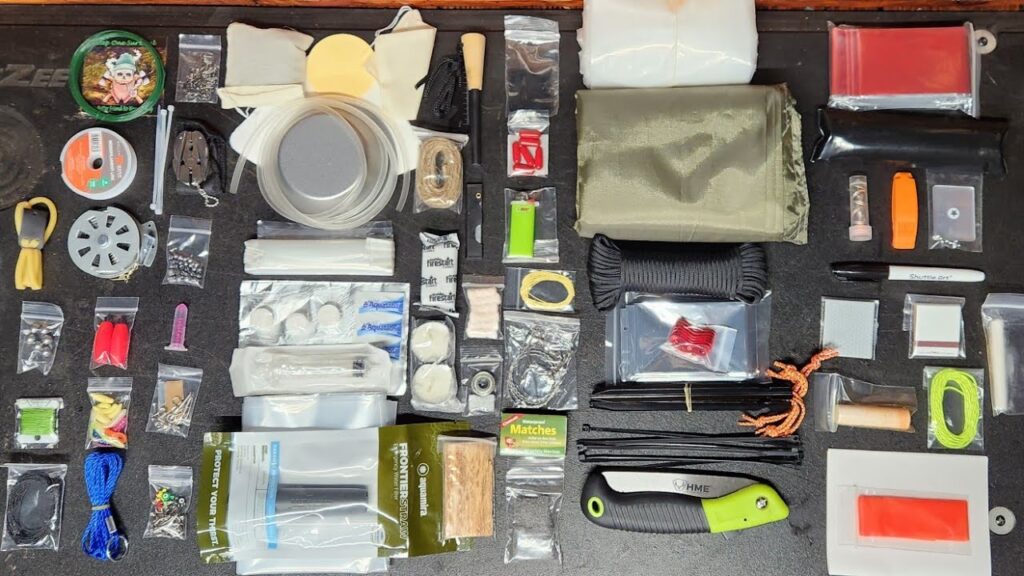
When faced with the unpredictability of emergencies, having a well-prepared bug-out bag is not just prudent—it’s imperative. Whether it’s a natural disaster, civil unrest, or any number of unforeseen events, a thoughtfully curated bug-out bag can mean the difference between survival and peril. The essentials listed below provide you with a comprehensive roadmap to equip your bag efficiently. Let’s delve into the top ten essentials to prioritize in your emergency kit.
1. Water Filtration System
Water is life. In any survival scenario, securing potable water is paramount. A robust water filtration system, such as a purifier pump or portable water filter, is essential for transforming questionable sources into safe hydration. Opt for models that can effectively eliminate bacteria and protozoa, ensuring your survival during extended outings.
2. Non-Perishable Food Supplies
Nourishment plays a critical role in sustaining energy and morale. Stock your bug-out bag with nutrient-dense, non-perishable food items such as energy bars, freeze-dried meals, or vacuum-sealed packs of nuts and dried fruits. Aim for portable options with a longevity of at least 24 months, and consider including an emergency food ration bar, which can provide essential calories in critical situations.
3. First-Aid Kit
An all-encompassing first-aid kit is a must-have, equipped with items for treating everything from minor cuts to severe injuries. Include antiseptic wipes, bandages of various sizes, gauze, medical tape, tweezers, scissors, and a thorough handbook on basic first-aid techniques. It’s wise to familiarize yourself with proper usage to ensure swift action in crisis situations.
4. Multi-Tool or Survival Knife
The versatility of a multi-tool or a high-quality survival knife cannot be overstated. These instruments can assist in an array of tasks—ranging from food preparation to gear repairs. Choose a model that features essentials like pliers, screwdrivers, a can opener, and a blade that retains its edge. It is indispensable in overcoming the myriad challenges presented in survival scenarios.
5. Fire-Crafting Tools
The ability to create fire can be a game-changer, offering warmth, cooking capability, and a signal for rescue. Equip your bag with multiple fire-starting tools, such as waterproof matches, a flint striker, and tinder. Including a few small candles can also be a strategic addition, providing both light and heat when needed.
6. Weather-Appropriate Clothing
Your bug-out bag should contain a compact selection of weather-appropriate clothing. This includes moisture-wicking base layers, insulating mid-layers, and a waterproof outer layer. Additionally, pack a sturdy pair of socks and a well-fitted hat. The emphasis should be on lightweight, quick-drying materials that can be layered according to changing conditions.
7. Shelter Materials
Creating a safe and comfortable shelter should be a priority when escaping to the outdoors. A lightweight tarp or emergency space blanket can serve as a makeshift shelter when faced with inclement weather. Alternatively, a compact sleeping bag or bivvy sack can offer warmth and protection while being easy to carry. Look for options that provide sufficient coverage without excessive bulk.
8. Portable Battery Charger or Solar Power Bank
In our tech-driven world, staying connected can enhance survival efforts. A portable battery charger or solar power bank is a practical addition, allowing you to power essential devices such as cell phones, GPS units, and flashlights. Choose models with multiple charging ports and durable, weather-resistant designs. This empowers you to maintain communication and access crucial information while on the move.
9. Emergency Blanket and Whistle
Emerging from a predicament often involves signaling for help. An emergency whistle, which can be heard over significant distances, should be included as a lightweight yet critical component. Additionally, a thermal emergency blanket can provide insulation and protection from the elements, serving dual purposes as a signaling device and a means of warmth.
10. Personal Identification and Important Documents
In the chaos of an emergency, personal identification and vital documents can facilitate orderly evacuation and eventual recovery. Store copies of important documents, such as insurance policies and medical records, in a waterproof pouch. Carrying identification, such as passports or driver’s licenses, ensures you are recognized during may be critical situations, facilitating assistance and shelter.
Assembling a bug-out bag filled with these essentials is just the beginning of your preparedness journey. Regularly review and update your contents to ensure they suit your individual needs and preferences. Ultimately, possessing a well-stocked bug-out bag can provide peace of mind, ensuring you’re ready to face whatever unexpected challenges may arise. Through meticulous planning and practicality, foster a spirit of resilience and adaptation to navigate through adversities with confidence.
FAQ
What is a bug-out bag?
A bug-out bag is a portable emergency kit containing essential supplies that can sustain an individual for at least 72 hours in case of an emergency or disaster.
How often should I update my bug-out bag?
It is recommended to review and update your bug-out bag contents every 6 to 12 months to replace expired items and adjust for any personal needs or environmental changes.
Can I customize a bug-out bag based on specific emergencies?
Yes, customizing your bug-out bag to suit different types of emergencies such as natural disasters, civil unrest, or climate conditions is advisable for optimal preparedness.
Why is a water filtration system essential in a bug-out bag?
Clean drinking water is critical for survival, and a water filtration system ensures you can safely hydrate from uncertain water sources.
What are some recommended fire-starting tools for a bug-out bag?
Waterproof matches, flint strikers, and tinder are highly recommended as reliable fire-starting tools for warmth, cooking, and signaling.





Leave a Reply