
Short Answer
Vitamin C, or ascorbic acid, is an indispensable nutrient renowned for its myriad health benefits. Not only does it contribute to a robust immune system, but it also plays a pivotal role in the synthesis of collagen, aiding skin health, wound healing, and even enhancing iron absorption. Foods rich in Vitamin C are integral to a balanced diet, ensuring that the body functions optimally. This article will provide a comprehensive ranking of the top 10 Vitamin C rich foods, highlighting their nutritional advantages and culinary versatility.
1. Kakadu Plum
Boasting an astonishing concentration of Vitamin C, Kakadu plum (Terminalia ferdinandiana) stands unrivaled on the nutritional hierarchy. Native to Australia, this small green fruit possesses up to 100 times more Vitamin C than an orange. The Kakadu plum also offers a plethora of antioxidants, promoting skin health and combatting oxidative stress. Often found in health supplements, it can be consumed in the form of powders or as fresh fruit.
2. Acerola Cherries
Acerola cherries (Malpighia emarginata), often referred to simply as acerola, are tropical fruit treasure troves of Vitamin C. With about 1,600 to 4,500 milligrams per 100 grams, they exhibit a sweet-tart flavor profile, making them a delightful addition to smoothies, jams, and desserts. Beyond their Vitamin C content, acerolas are rich in carotenoids and polyphenols, which contribute to their anti-inflammatory properties.
3. Guava
This tropical fruit is not merely a feast for the senses but is undoubtedly a powerhouse of essential nutrients. Guava (Psidium guajava) contains an impressive 228 milligrams of Vitamin C per 100 grams. Its delicious, fragrant flesh is complemented by high fiber content, which aids digestion. Whether consumed raw, juiced, or blended into desserts, guava is as versatile as it is nutritious.
4. Blackcurrants
Blackcurrants (Ribes nigrum), with their deep, inky hue, are not just visually striking; they are exceptionally rich in Vitamin C, offering about 200 milligrams per 100 grams. Additionally, they are replete with anthocyanins, potent antioxidants that support cardiovascular health. Blackcurrants shine in jellies, syrups, and baked goods, making them a delightful and healthful choice.
5. Kiwi
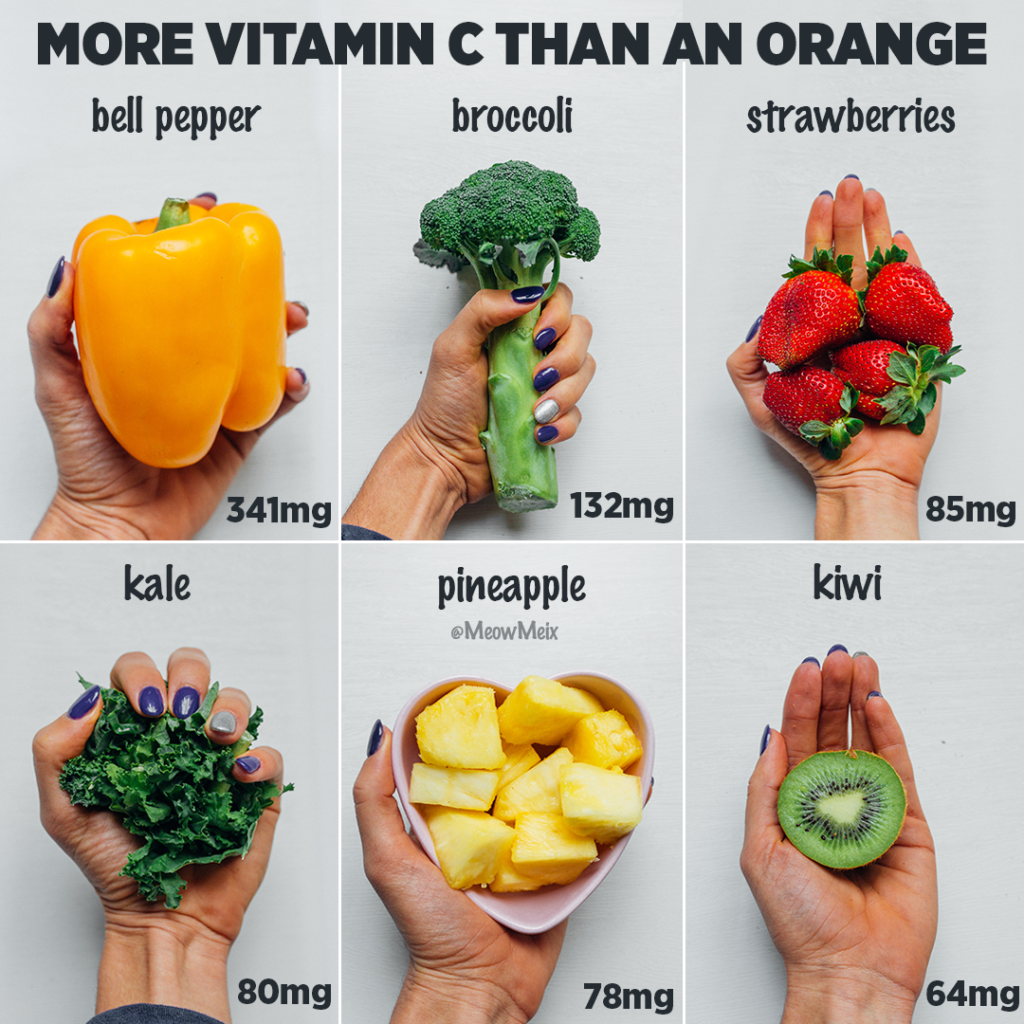
This diminutive, fuzzy fruit is a delightful source of Vitamin C with about 92 milligrams per 100 grams. Kiwis (Actinidia deliciosa) possess a unique balance of sweetness and tartness, which enhances their appeal. Furthermore, they contain an enzyme called actinidain, which aids digestion. Kiwis can easily elevate salads, smoothies, or serve as a palatable snack on their own.
6. Bell Peppers
Bell peppers, particularly the vibrant red variety, are culinary gems rich in Vitamin C, yielding approximately 128 milligrams per 100 grams. Their nuanced flavors and crisp textures make them an excellent addition to a range of dishes. Additionally, they are abundant in vitamins A and E, which synergistically enhance their health benefits and contribute to a vibrant, nutritious diet.
7. Strawberries
The allure of strawberries (Fragaria × ananassa) extends beyond their sweetness; they pack a substantial Vitamin C punch, containing about 58 milligrams per 100 grams. Known for their vibrant red color and succulent flesh, strawberries are also high in fiber and antioxidants, making them an ideal candidate for weight management and overall health. They are perfect in salads, smoothies, and even desserts.
8. Oranges
A perennial favorite, oranges (Citrus × sinensis) are synonymous with Vitamin C, featuring approximately 53 milligrams per 100 grams. Not only do they enhance immunity, but their hydrating properties make them a refreshing choice, particularly in warmer climates. Beyond fresh consumption, oranges can be juiced, incorporated into salads, or used in marinades and dressings to impart a citrusy zing.
9. Pineapple
This tropical delight is not just a sumptuous treat; pineapple (Ananas comosus) provides about 48 milligrams of Vitamin C per 100 grams. Beyond their zesty taste, pineapples are packed with bromelain, an enzyme that aids in digestion and reduces inflammation. From fresh slices to smoothies or even grilled dishes, pineapples are versatile and can elevate any meal.
10. Papaya
Rounding out our list is the incredibly versatile papaya (Carica papaya), which contains approximately 60 milligrams of Vitamin C per 100 grams. This velvety fruit is not only rich in Vitamin C but also boasts a unique enzyme called papain, beneficial for digestion. Papaya can be enjoyed fresh, in salads, smoothies, or even as a topping for various dishes, offering a tropical twist to everyday meals.
In summary, incorporating Vitamin C-rich foods into your diet is not only essential for maintaining overall health but also enhances the culinary experience. From exotic fruits like Kakadu plum and acerola cherries to more common staples like oranges and strawberries, the variety is both abundant and enticing. By consciously choosing to include these nutrient-dense foods in your meals, you can fortify your immune system, promote skin health, and enrich your overall well-being. Prioritize these vibrant options for a diet that nourishes and delights your taste buds.
FAQ
What is Vitamin C and why is it important?
Vitamin C, or ascorbic acid, is a vital nutrient that supports immune health, skin repair, and antioxidant protection.
Which food has the highest Vitamin C content?
The Kakadu plum contains the highest Vitamin C concentration, far exceeding that of common citrus fruits.
How can I include more Vitamin C rich foods in my diet?
Incorporate fresh fruits like guava, strawberries, and oranges, or vegetables such as red bell peppers into your meals.
Are supplements necessary to meet Vitamin C needs?
Most people can meet their Vitamin C needs through a balanced diet rich in fruits and vegetables; supplements may be useful in certain cases.




Leave a Reply