
Short Answer
Introduction
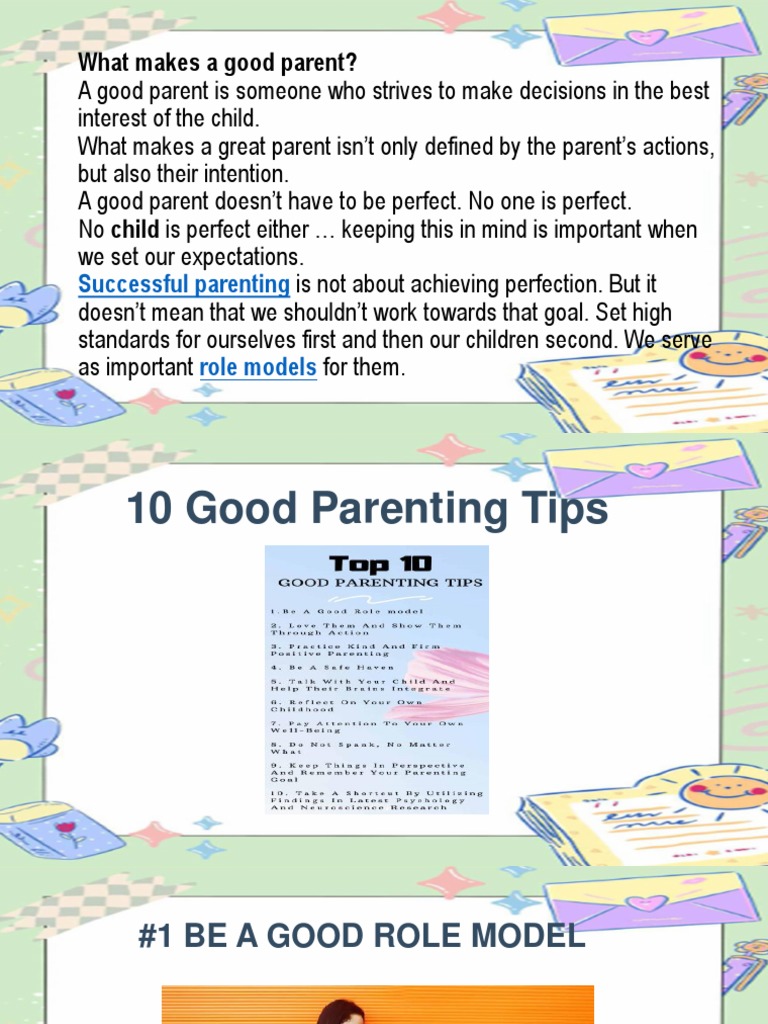
Parenthood is a profound journey, a complex tapestry woven with threads of love, responsibility, and growth. While the joys of raising children are myriad, the weight of parental duties can be substantial and nuanced. Often, it merely requires a subtle shift in perspective to appreciate the depth of what it means to be a “good” parent. As we navigate through the intricacies of guiding our offspring, an understanding of key responsibilities can enrich this remarkable experience. Herein lies a comprehensive exploration of the top ten responsibilities of a good parent, each explained to evoke curiosity and reflection.
1. Providing Unconditional Love
At the crux of successful parenting lies the steadfast provision of unconditional love. This fervent emotional support serves as the backbone of a child’s self-esteem and emotional resilience. It is essential to demonstrate affection daily, through words of affirmation and moments of connection, allowing children to flourish in a nurturing environment devoid of judgment. Such love fosters security, encouraging children to explore the world and express their emotions freely.
2. Instilling Discipline and Values
Discipline goes hand in hand with love, involving the fine art of guiding children toward acceptable behaviors and societal norms. This responsibility encompasses more than mere rule-setting; it involves imparting moral values that shape character. Parents must carefully craft a framework of expectations, balancing consequences and rewards, to cultivate accountability while fostering empathy, respect, and integrity. This duality prepares children to navigate life’s complexities with a strong moral compass.
3. Ensuring a Safe Environment
Safety is paramount for healthy development. Creating a secure physical space extends beyond ensuring safety from physical harm; it also encompasses emotional security. This involves not only safeguarding children from tangible threats but also shielding them from emotional upheaval, such as toxic relationships or exposure to violence. By establishing a sanctuary of stability, parents enable their children to thrive, exploring their curiosities and forging their identities with confidence.
4. Encouraging Independence
While the desire to protect children is instinctual, good parents recognize the significance of fostering independence. Gradually allowing children to make decisions, solve problems, and take risks cultivates self-reliance and critical thinking. The balancing act lies in permitting autonomy while providing a safety net, enabling children to navigate failures safely and learn invaluable life lessons. This responsibility nurtures resilience and cultivates a growth mindset, essential for future endeavors.
5. Providing Education and Encouraging Curiosity
Education is not solely confined to academic success; it encapsulates a broader spectrum of knowledge acquisition. Good parents are dedicated to enriching their children’s understanding of the world, engaging them in stimulating conversations and exposing them to diverse experiences. This involves facilitating access to quality educational resources, be it books, extracurricular activities, or interactive learning experiences. Instilling a love for learning ignites curiosity, equipping children with the tools to pursue their passions.
6. Being a Positive Role Model
Children are astutely perceptive, absorbing the behaviors and attitudes of their parents. To be an effective parent, it is imperative to exemplify the qualities one hopes to instill. The interplay between actions and words sends a powerful message, influencing children’s character and decision-making. By embodying virtues such as kindness, patience, and work ethic, parents illuminate a path for their children to emulate as they carve their own identities.
7. Fostering Communication and Emotional Intelligence
Open lines of communication are the lifeblood of healthy relationships. Cultivating an atmosphere where children feel free to express their thoughts and emotions is crucial. This entails active listening, validating their feelings, and teaching them the nuances of emotional expression. By nurturing emotional intelligence—self-awareness, empathy, and social skills—parents equip their children with coping mechanisms that will serve them well throughout their lives.
8. Encouraging Social Development
Good parenting extends beyond the family nucleus, embracing a child’s social development. Encouraging friendships and social interactions allows children to hone their interpersonal skills and develop a sense of belonging. Parents must facilitate opportunities for children to engage with peers, whether through playdates, team sports, or community involvement. These experiences enhance communication skills, foster cooperation, and cultivate empathy, vital for future relationships.
9. Practicing Patience and Understanding
Parenting tests even the most patient souls, demanding a remarkable level of understanding and compassion. Children are not miniature adults; they experience a whirlwind of emotions and developmental challenges. Therefore, it is paramount to exercise patience, embodying a steady presence in their moments of struggle. By recognizing and validating their feelings, parents foster an environment where children feel accepted and understood, reinforcing their sense of individuality.
10. Prioritizing Self-Care
Ironically, one of the paramount responsibilities of good parenting involves caring for oneself. The act of nurturing one’s own physical, emotional, and mental well-being equips parents to be more present and effective. By engaging in self-care practices, parents model the importance of balance and well-being. This responsibility also extends to forging a support network, vital for maintaining resilience in the face of parenting challenges.
Conclusion
The responsibilities of a good parent are intricate, weaving together love, guidance, education, and self-awareness. As parents, acknowledging these duties invites a transformative perspective on the journey of raising children. Each responsibility, when embraced with intention, can foster an environment where children not only survive but thrive. Through careful deliberation and a heart full of love, the essence of good parenting can be realized, leading to a legacy of confident, empathetic, and competent individuals ready to embrace the world.
FAQ
What are the most important responsibilities of a good parent?
The most important responsibilities include providing unconditional love, instilling discipline and values, ensuring safety, encouraging independence, fostering education and curiosity, being a positive role model, promoting communication and emotional intelligence, supporting social development, practicing patience, and prioritizing self-care.
How can parents foster emotional intelligence in their children?
Parents can foster emotional intelligence by encouraging open communication, actively listening, validating their children's feelings, and teaching them how to express emotions constructively.
Why is self-care important for parents?
Self-care is vital because it helps parents maintain their physical, emotional, and mental well-being, enabling them to be more present, patient, and effective in their parenting roles.





Leave a Reply