
Short Answer
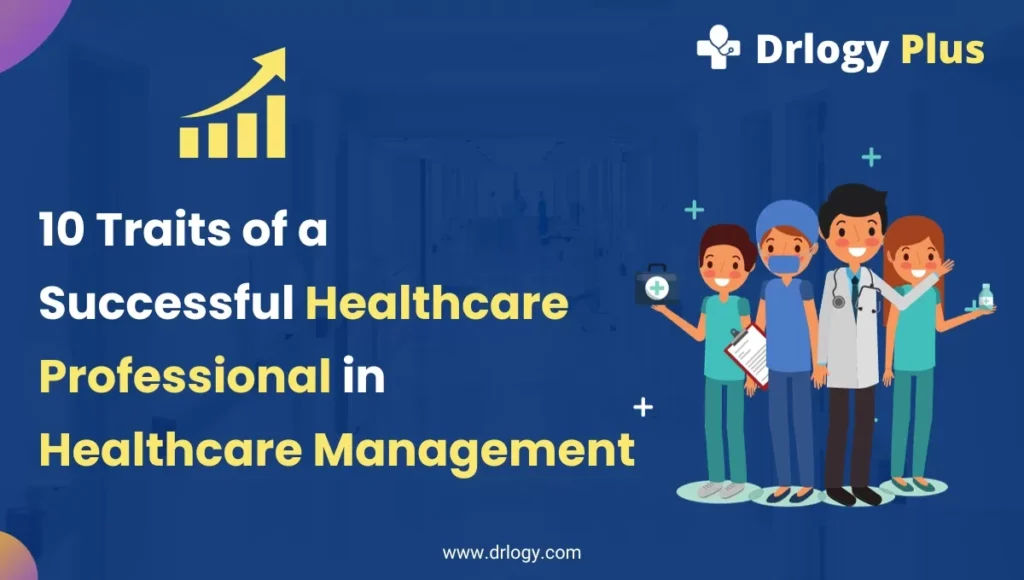
In an era where healthcare is more complex and multifaceted than ever before, the qualities that delineate a great healthcare professional have taken on monumental significance. It’s not enough to possess the requisite knowledge—empathy, ethical integrity, and a penchant for lifelong learning can transform the experience of care for patients and practitioners alike. Here, we delve into the top 10 qualities that embody exemplary healthcare professionals, encouraging a shift in perspective on what it means to provide care.
1. Empathy
At the heart of effective healthcare lies empathy. This profound ability to understand and share the feelings of another enables healthcare professionals to connect with patients on a human level. By recognizing a patient’s emotional struggles and validating their experiences, professionals create a supportive atmosphere. This isn’t merely about compassion; it’s about fostering an environment where patients feel heard and respected. Empathy can lead to improved patient satisfaction and compliance with treatment plans.
2. Strong Communication Skills
Crisp, clear communication is indispensable in healthcare. Not only must professionals articulate diagnoses and treatment options to patients in a digestible manner, but they also need to listen with acute attention. Effective dialogue helps eliminate misunderstandings, often a source of anxiety for patients. The ability to convey complex medical jargon into layman’s terms can empower patients, making them active participants in their own care.
3. Ethical Integrity
An unwavering adherence to ethical principles is foundational in healthcare. Integrity encompasses honesty, accountability, and transparency, which are paramount in fostering trust. Patients must feel confident that their healthcare providers have their best interests at heart. Ethical dilemmas arise frequently in healthcare settings; professionals must navigate these situations with a steadfast moral compass that prioritizes patient welfare above all.
4. Lifelong Learning
The healthcare landscape is constantly evolving, and so must its professionals. A commitment to lifelong learning is crucial for staying abreast of advances in medical science, technology, and best practices. This hunger for knowledge not only enhances a healthcare provider’s skills but also enriches patient care. The willingness to embrace continuous education fosters a culture of innovation and evidence-based practice in the healthcare community.
5. Critical Thinking Skills
In an environment teeming with uncertainty and rapid change, critical thinking skills are indispensable. Healthcare professionals must evaluate complex clinical scenarios and make swift decisions that can significantly impact patient outcomes. The ability to synthesize information, recognize patterns, and discern between various treatment options is what sets exceptional practitioners apart from their peers. Critical thinkers are adept at problem-solving, anticipating challenges, and applying knowledge effectively.
6. Cultural Competence
As diverse populations increasingly seek healthcare, cultural competence has emerged as a vital attribute. Understanding and respecting the various cultural, social, and linguistic backgrounds of patients allows healthcare professionals to provide personalized care that resonates. Those who embrace cultural awareness can tailor their communication and interventions to fit the unique needs of individuals, leading to better health outcomes and enriched patient-provider relationships.
7. Teamwork and Collaboration
Healthcare often necessitates teamwork, where multiple disciplines come together to optimize patient care. Exceptional healthcare professionals understand the intrinsic value of collaboration. They communicate effectively within a team and appreciate the diverse perspectives that different specialties bring. This collaborative spirit can facilitate a holistic approach to treatment, ultimately leading to more comprehensive care for patients.
8. Resilience
Healthcare can be an emotionally draining vocation, exacerbated by long hours, high-stakes situations, and sometimes a heavy personal toll. Resilience—the capacity to recover from difficulties quickly—is essential for sustaining one’s ability to care for others. Resilient professionals are equipped to manage stress, maintain mental well-being, and remain motivated, ensuring they can provide the utmost care for their patients even in the most challenging circumstances.
9. Technological Proficiency
The integration of technology into healthcare is transforming how care is delivered and managed. Great healthcare professionals not only adapt to technological advancements but also leverage them to enhance patient care. From electronic health records to telemedicine, a skilled practitioner utilizes these tools to streamline processes, increase accuracy, and ultimately promote better health outcomes.
10. Passion for Patient Care
Lastly, an unwavering passion for patient care is what drives exceptional healthcare professionals to excel in their roles. This fervor translates into going above and beyond, continually seeking ways to improve patient experiences. It fosters a sense of purpose and dedication that radiates through their work, inspiring confidence and gratitude from those they serve.
In conclusion, the landscape of healthcare is perpetually shifting, and so too are the attributes that define greatness in the field. By embodying empathy, communication, ethical integrity, and a host of other essential qualities, healthcare professionals can profoundly affect the lives of their patients. As we cultivate an understanding of these traits, we not only enhance individual careers but also contribute to the betterment of the healthcare system as a whole. Such an understanding invites practitioners to reflect on their own qualities and reassess their practices, promising a more enriched experience for both caregivers and patients.
FAQ
What are the most important qualities of a great healthcare professional?
The most important qualities include empathy, strong communication skills, ethical integrity, lifelong learning, critical thinking, cultural competence, teamwork, resilience, technological proficiency, and passion for patient care.
Why is empathy important in healthcare?
Empathy allows healthcare professionals to understand and share the feelings of their patients, creating a supportive environment that improves patient satisfaction and compliance with treatment plans.
How does lifelong learning benefit healthcare professionals?
Lifelong learning helps healthcare professionals stay updated with medical advances, technology, and best practices, which enhances their skills and improves patient care.
What role does cultural competence play in healthcare?
Cultural competence enables healthcare professionals to respect and understand diverse backgrounds, tailoring care to individual patient needs and improving health outcomes.





Leave a Reply