
Short Answer
The PlayStation 3, launched in 2006, was more than just another gaming console; it was a technological marvel that pushed the boundaries of graphics, gameplay, and online interactions. The PS3 era was marked by innovative storytelling, unforgettable characters, and genre-defining gameplay mechanics. Here are the top ten games that not only captivated players but also firmly entrenched themselves in the annals of gaming history, defining a generation in the process.
1. “The Last of Us”
Arguably one of the most influential narratives in gaming history, “The Last of Us” provided a hauntingly beautiful exploration of humanity in a post-apocalyptic world. Players traversed a devastated landscape, stepping into the shoes of Joel and Ellie, characters who embodied resilience and the complexity of human emotion. The game’s gripping atmosphere, coupled with its poignant storytelling, prompted an introspective examination of morality and survival, resonating deeply with audiences and elevating video games to a new tier of storytelling.
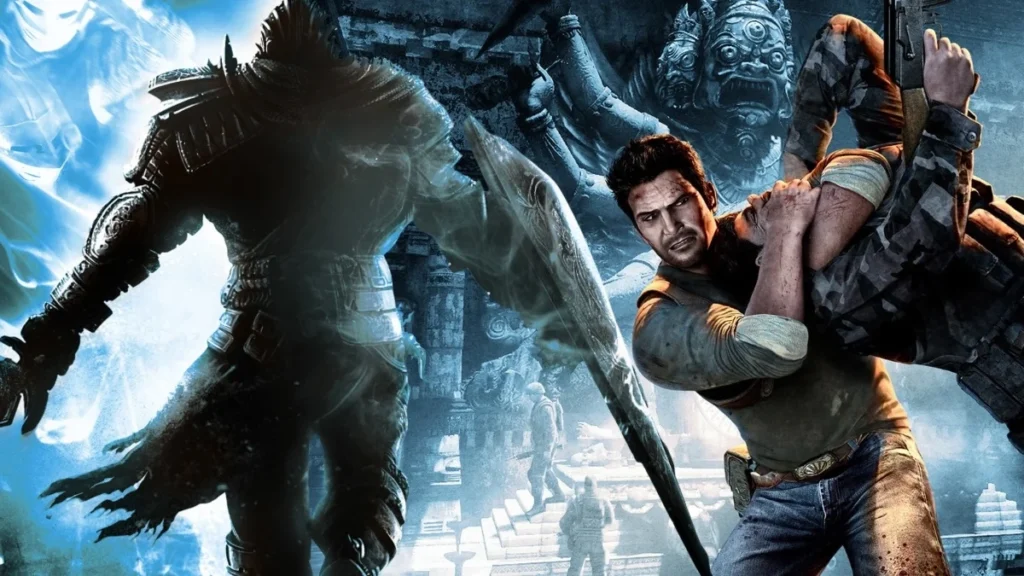
2. “Uncharted 2: Among Thieves”
“Uncharted 2” transcended the typical action-adventure genre, offering a cinematic experience that engaged players on multiple levels. With stunning visuals and adrenaline-pumping gameplay, Nathan Drake’s journey through perilous environments was not merely about treasure hunting. It delved into themes of friendship, betrayal, and exploring one’s purpose. The game exemplified how interactive storytelling could deliver emotional depth, illustrating the potential for video games to solidify connections with players.
3. “Dark Souls”
Regarded as a masterclass in design and difficulty, “Dark Souls” reshaped perceptions of challenge within the gaming landscape. This action RPG invited players into an intricately woven world where every death was a lesson, and every victory felt monumental. Its somber narrative, cryptic lore, and deep exploration of themes such as despair and perseverance captivated a devoted following. Beyond its challenging gameplay, “Dark Souls” fostered a communal experience among players, generating discussions fueled by its enigmatic story and richly detailed environment.
4. “Gran Turismo 5”
In the realm of racing simulations, “Gran Turismo 5” carved out a claim to be the epitome of automotive gaming. With an impressive roster of cars and meticulously recreated tracks, it appealed to both casual gamers and car aficionados. The game’s focus on realism, physics, and comprehensive driving mechanics transcended mere entertainment, igniting a passion for automotive culture. It represented a meticulous attention to detail, showcasing how video games could merge technical prowess with engaging gameplay.
5. “God of War III”
The culmination of Kratos’ epic saga in “God of War III” exemplified the power of mythological storytelling through video games. This visceral experience melded breathtaking visuals with a compelling revenge narrative, placing players in the tumultuous world of ancient Greek mythology. The sheer scale of battles and the character’s emotional journey resonated with audiences, prompting reflections on grief, vengeance, and transformation. This blend of action and profound themes solidified “God of War III” as a cornerstone of action gaming.
6. “BioShock Infinite”
“BioShock Infinite” was not just a first-person shooter; it was a thought-provoking exploration of American exceptionalism, racism, and the nature of choice. Set in the floating city of Columbia, the game challenged players with morally complex narratives intertwined with breathtaking visuals. The characters, particularly Booker and Elizabeth, were emblematic of deeper philosophical questions—delving into themes of fate and free will. It showcased how video games as a medium could tackle controversial topics with grace and intricacy.
7. “Metal Gear Solid 4: Guns of the Patriots”
This title was the grand finale to Hideo Kojima’s legendary series, intertwining intricate storytelling with stealth-based gameplay. “Metal Gear Solid 4” explored themes of warfare, technology, and the consequences of one’s actions in a rapidly evolving world. Its elaborate narrative and character arcs were nothing short of a cinematic feat, posing perplexing questions about identity and legacy. The game reinvigorated conversations surrounding the purpose of narratives in gaming and solidified Kojima’s reputation as a visionary.
8. “Journey”
In stark contrast to the high-octane action of many contemporaries, “Journey” offered a meditative gaming experience. With minimalist design and profound emotional engagement, players ventured through a stunning desert landscape, prompting reflections on companionship and the human experience. The game’s unique multiplayer component, where players could encounter others without verbal communication, fostered a sense of shared experience. Its artistry prompted discussions about the nature of video games and their capacity to evoke deep emotional responses.
9. “LittleBigPlanet”
“LittleBigPlanet” redefined creativity in gaming, offering players an expansive toolbox to create and share their levels. With its charming aesthetic and emphasis on user-generated content, it cultivated a community of creators and innovators. The game illuminated the power of collaboration and imagination, showcasing the versatility of video games beyond mere consumer experiences. Its playful spirit resonated with audiences, emphasizing creativity as a core aspect of gaming culture.
10. “Assassin’s Creed II”
The second installment in the “Assassin’s Creed” series refined the mechanics and expanded the narrative scope. Covering the Italian Renaissance, players experienced meticulously crafted historical events through the eyes of Ezio Auditore. The game seamlessly melded history with fiction, prompting players to engage with real-world culture while exploring themes of freedom and predestination. Its ambitious design, narrative depth, and explorative gameplay redefined what players could expect from open-world adventures.
As we reflect on these iconic titles, it becomes evident that they served not merely as forms of entertainment but as cultural artefacts that invited players into intricate worlds brimming with emotion, morality, and philosophical questions. In defining a generation, these games demonstrated the profound capacity of video games to serve as a unique medium for storytelling, connection, and reflection. They transformed how audiences engage with interactive experiences, enthralling millions while laying the foundation for the future of gaming. The legacy of the PS3 era lingers, resonating within the ongoing evolution of the gaming landscape.
FAQ
What makes the PS3 era significant in gaming history?
The PS3 era introduced groundbreaking technology, innovative storytelling, and online multiplayer experiences that shaped modern video gaming.
Which PS3 game is considered the most influential narrative title?
"The Last of Us" is widely regarded as one of the most influential narrative-driven games of the PS3 era.
Are all the games listed exclusive to the PS3?
Most games listed were originally released on PS3 but some, like "Dark Souls" and "Assassin's Creed II," were also available on other platforms.
How did PS3 games impact video game storytelling?
PS3 games raised the bar for emotional depth, complex characters, and philosophical themes, influencing how stories are told in video games.
What genres are represented in the top 10 PS3 games?
The list includes action-adventure, RPG, racing simulation, stealth, creative sandbox, and narrative-driven first-person shooter genres.





Leave a Reply