
Short Answer
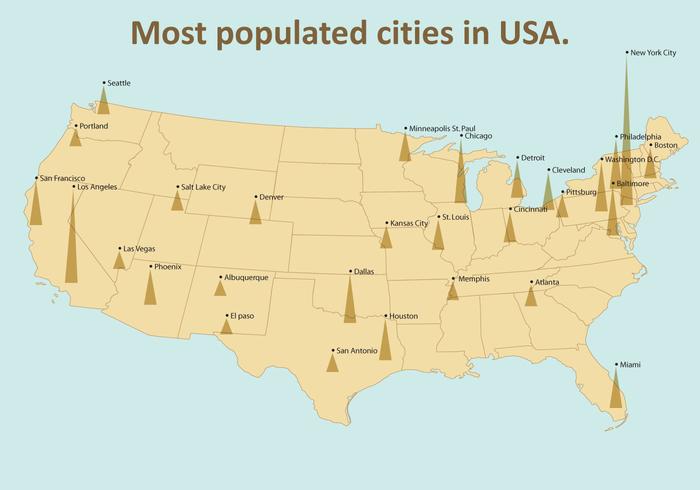
In the vast landscape of the United States, where sprawling suburban communities contrast against the towering skylines of urban centers, the question of population ranks with the intricacies of social, economic, and cultural dynamics. The nation’s most populated cities are not merely metric designations; they are vibrant tapestries woven of diverse ethnicities, historical significance, and unique character. In this exploration, we delve into the ten most populated cities in the U.S., each revealing distinct stories of growth and urban evolution.
1. New York City, New York
As the epitome of urbanization, New York City boasts a staggering population exceeding 8.6 million residents. This metropolis is an international hub for finance, art, and fashion, often dubbed the “Big Apple.” With iconic landmarks like Times Square and Central Park, NYC is characterized by its bustling streets that never seem to sleep. The city is segmented into five boroughs—Manhattan, Brooklyn, Queens, The Bronx, and Staten Island—each providing a unique slice of culture and community. The diversity of its populace is unparalleled, making it a melting pot of languages, cuisine, and traditions.
2. Los Angeles, California
Los Angeles follows as a flamboyant contender, with a population nearing 4 million. Renowned as the epicenter of the entertainment industry, Los Angeles is synonymous with Hollywood, offering a dazzling array of cultural experiences. From the serene beaches of Santa Monica to the historic districts of downtown, LA is a city defined by its contrasts—glamour juxtaposed with gritty reality. The vibrant arts scene, coupled with a rich culinary landscape, underscores its appeal—not merely as a city for dreams but also as a thriving community.
3. Chicago, Illinois
Third on the list, Chicago balances urban sophistication with Midwestern charm, home to approximately 2.7 million individuals. Famed for its architectural marvels and deep-dish pizza, the Windy City is both a cultural and economic powerhouse. Its diverse neighborhoods each have their own stories, from the historic streets of Hyde Park to the vibrant art scene in Wicker Park. Chicago’s hosting of major events and festivals, such as the Chicago Air and Water Show, further solidifies its position as a quintessential American city.
4. Houston, Texas
With roughly 2.3 million residents, Houston is the largest city in Texas and is connoted for its booming energy sector. Known for its expansive space and cosmopolitan atmosphere, Houston’s identity is shaped by its melting pot of cultures, resulting in a vibrant culinary scene heavy on diverse flavors. The city is also home to the Texas Medical Center, a world leader in healthcare, reflecting its growth in sectors beyond the traditional energy paradigm. Houston’s dynamic economy, intertwined with a distinctive arts community, manifests itself in various cultural events throughout the year.
5. Phoenix, Arizona
Home to over 1.7 million residents, Phoenix is emblematic of the American Southwest’s unique desert environment. The city is known for its spectacular sunsets and sprawling desert landscapes, attracting many newcomers seeking warmer climates. Phoenix’s rapid growth over recent decades has transformed it into a bustling metropolis, where outdoor enthusiasts revel in its many parks and hiking trails. Additionally, the city’s commitment to sustainability has led to innovative initiatives aimed at enhancing quality of life while preserving its natural beauty.
6. Philadelphia, Pennsylvania
Philadelphia is celebrated for its rich historical significance, housing a population of approximately 1.6 million. As the birthplace of American democracy, it still reverberates with echoes of the past, particularly in areas like the Liberty Bell and Independence Hall. The city excels in maintaining a unique blend of historical preservation and modern vibrancy, supported by a robust arts community and distinctive neighborhoods like South Street and Fishtown. Known for its cheesesteaks and soft pretzels, Philadelphia is also a gastronomic hub, rich with culinary tradition.
7. San Antonio, Texas
San Antonio, with a population surpassing 1.5 million, is a city deeply rooted in its vibrant history and cultural heritage. Famous for the Alamo and its picturesque River Walk, San Antonio is a convergence of Spanish heritage and Texan bravado. The annual Fiesta San Antonio festivity emphasizes the city’s cultural pride, showcasing its rich traditions through food, music, and art. The seamless integration of history with modern living makes San Antonio a fascinating destination, merging the old with the new in a digital age.
8. San Diego, California
Incorporating a blend of Spanish history and modern coastal living, San Diego’s population is around 1.4 million. San Diego offers an enviable Mediterranean climate, thriving craft beer scene, and access to pristine beaches. This coastal gem is known for its zoological wonders at the San Diego Zoo and the historic architecture of Old Town. Furthermore, the city’s military presence and biotechnology sector bolster its economy, creating a multifaceted urban environment rich with opportunity and lifestyle diversity.
9. Dallas, Texas
With approximately 1.3 million residents, Dallas is a cultural and economic marvel in the heart of Texas. Famed for its thriving arts district and the iconic skyline highlighted by the Reunion Tower, Dallas pulsates with energy. The city has evolved into a hub for technology and telecommunications, marked by its dynamic job market. Moreover, Dallas’s blend of southwestern traditions and modern innovation showcases a community that values both legacy and progressive change.
10. San Jose, California
Closing the list with around 1 million inhabitants, San Jose is the largest city in Silicon Valley, the epicenter of technological advancements. Known for its innovation and entrepreneurship, it is a booming locale for tech giants and startups alike. Rich in diversity, San Jose embraces a wide array of cultures, reflected in its festivals, museums, and dining options. The city’s commitment to education and progress has fostered a highly skilled workforce, shaping its identity within the broader tapestry of American cities.
As we traverse the contours of America’s most populated cities, it is evident that each locale tells a unique story of resilience and innovation. These cities are not just numbers on a page; they represent dreams, aspirations, and communities coming together in an ever-evolving tapestry of cultural and economic vibrancy. Their rankings reveal much more than mere rankings—they reflect the dynamic nature of urban life in the United States and the myriad possibilities it holds for the future.
FAQ
What is the most populated city in the United States?
New York City is the most populated city in the United States, with a population exceeding 8.6 million residents.
Which states have the most cities in the top 10 most populated US cities?
Texas and California each have multiple cities listed among the top 10 most populated cities in the US.
How does the population size affect the economic and cultural significance of these cities?
Cities with larger populations often serve as economic, cultural, and historical hubs, attracting diverse communities and fostering innovation.

Leave a Reply