
Short Answer
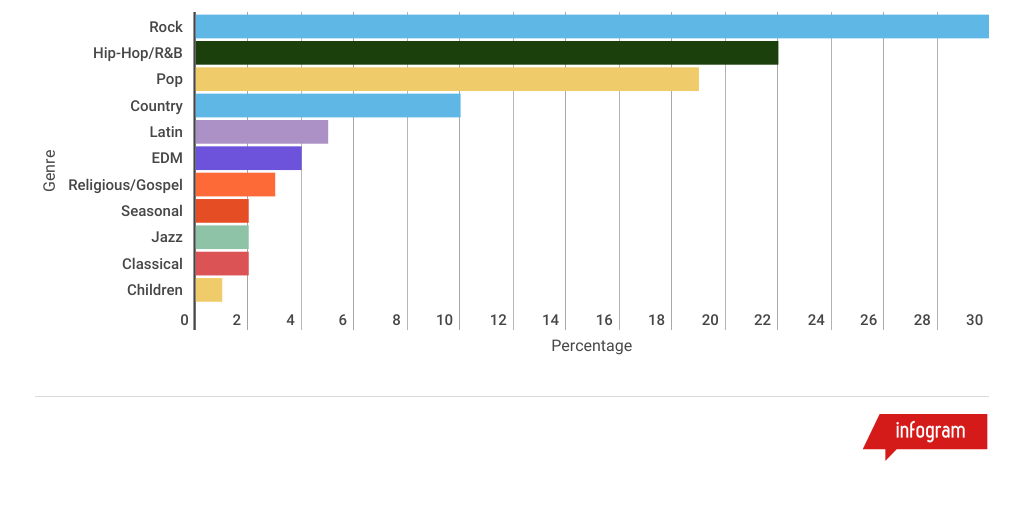
In a world increasingly defined by the pulsating rhythms of sound, music stands as an essential element of human expression and connection. From regional folk traditions to global chart-toppers, the spectrum of music genres is vast and varied, reflecting diverse cultures, histories, and societal shifts. The fascinating interconnectedness of these genres invites us to explore not only their unique characteristics but also the socio-cultural phenomena that fuel their popularity. This exploration leads us to an illuminating understanding of the world’s top ten most popular music genres that continue to captivate audiences globally.
1. Pop Music
Pop music reigns supreme as the quintessential genre, characterized by its catchy melodies and universal appeal. Rooted in the cultural zeitgeist, it frequently integrates elements from various other genres, including rock, hip-hop, and electronic dance music. Icons like Taylor Swift, Ariana Grande, and Ed Sheeran exemplify the genre’s versatility, often transcending traditional labeling. A symbiotic relationship with social media platforms like TikTok has further propelled pop music’s reach, allowing for an accelerated cultural diffusion that captivates a new generation of listeners.
2. Hip-Hop
Born from the streets of the Bronx in the late 1970s, hip-hop has evolved into a formidable cultural and musical movement that exudes authenticity and spontaneity. With its intrinsic connection to social justice and personal storytelling, hip-hop artists like Kendrick Lamar and Cardi B have championed the voices of marginalized communities. Its unique blend of rhythmic spoken word, sampling, and production techniques offers listeners a rich tapestry of sound. As hip-hop continues to permeate mainstream music, it unearths a plethora of sub-genres such as trap and lo-fi, further diversifying its vibrant landscape.
3. Rock Music
Rock music, a genre firmly entrenched in the annals of musical history, has undergone significant transformation since its inception in the 1950s. Melding elements of rhythm and blues, it gave rise to legendary figures such as The Beatles and Jimi Hendrix, who shaped societal norms and musical paradigms with their electrifying performances. Today, genres like punk, alternative, and classic rock continue to proliferate, allowing modern bands like Imagine Dragons and Foo Fighters to keep the spirit of rock alive. The genre remains a potent symbol of rebellion and individuality, resonating deeply with a diverse audience.
4. EDM (Electronic Dance Music)
Electronic Dance Music, often abbreviated as EDM, has ascended to monumental popularity in the past decade, fueled by the euphoric energy of festivals and nightclubs worldwide. Characterized by its use of synthesized beats and bass drops, EDM encompasses various sub-genres such as house, techno, and dubstep. DJs like Calvin Harris and Deadmau5 have become modern-day rock stars, bridging the gap between traditional musicianship and digital production. The genre thrives on community and euphoric unity, inviting listeners to surrender themselves to the pulsating rhythms that echo through festival grounds and dimly lit dance floors.
5. Country Music
Originating from the Southern United States, country music is a genre steeped in rich storytelling traditions, often reflecting themes of heartache, love, and nostalgia. With its signature twang and acoustic instrumentation, artists such as Luke Bryan and Kacey Musgraves have revitalized the genre, ensuring its continued relevance in contemporary music. The fusion of pop sensibilities with traditional country roots has garnered a broader audience, allowing the genre to thrive amidst an ever-evolving musical landscape. The Americana movement—a blend of country, folk, and rock—emphasizes the genre’s adaptability and deep connection to American cultural heritage.
6. R&B (Rhythm and Blues)
Rhythm and Blues, or R&B, is a genre that chronicles emotional depth through melodic sophistication and poignant lyrics. Emerging from the fusion of jazz, blues, and gospel, its evolution has seen the rise of extraordinary artists like Beyoncé and Bruno Mars, who have masterfully blended traditional elements with contemporary trends. R&B’s emphasis on vocal prowess and rich harmonies invites listeners into immersive sensual experiences, often enhancing the genre’s universal appeal. The narratives conveyed in R&B often intersect with broader themes of love, heartbreak, and social change, cementing its place in the fabric of modern music.
7. Reggae
Reggae, a genre birthed from the vibrant streets of Jamaica, transcends mere musicality to embody a profound cultural movement rooted in social consciousness and resistance. Pioneered by icons like Bob Marley, reggae’s slow, laid-back beats and socially aware lyrics resonate strongly with listeners seeking an alternative perspective on life. The genre’s ability to advocate for peace and equality through its magnetic rhythms underscores its magnetic allure. Today, reggae continues to evolve, intertwining with genres like hip-hop and pop, demonstrating its ubiquitous influence across the global music scene.
8. Jazz
Jazz is often dubbed the soundtrack of self-expression, a genre characterized by improvisation and a fluidity that defies conventional boundaries. Emerging in the early 20th century, jazz encompasses a myriad of styles including bebop, smooth jazz, and Latin jazz. Legendary figures such as Louis Armstrong and Miles Davis have contributed to its enduring legacy, mesmerizing audiences with their innovative techniques and emotional depth. Jazz is as much an experience as it is a genre, inviting listeners into an ever-evolving dialogue between musicians and audiences that reflects the complexities of the human experience.
9. Latin Music
Latin music is a vibrant amalgamation of rhythms and influences, drawing on diverse traditions from Latin America and the Caribbean. Genres such as salsa, bachata, and reggaeton serve as cultural expressions that encapsulate the passions and struggles of their respective communities. Artists like Bad Bunny and Shakira have propelled Latin music onto global platforms, captivating listeners with infectious beats and dynamic choreography. The genre’s ability to unite people through dance and celebration highlights its essential role in cultural identity and tradition, fostering connections that transcend linguistic barriers.
10. Classical Music
Classical music, with its intricate compositions and dynamic structures, invites contemplation and reflection, standing as a testament to the creativity of human expression. Spanning centuries, classical music encompasses the works of maestros such as Beethoven and Bach, whose timeless melodies continue to inspire awe. The genre has diversified into various forms, from orchestral to chamber music, often intersecting with modern genres to create innovative soundscapes. This genre not only showcases technical mastery but also evokes deep emotional resonance, encouraging listeners to immerse themselves in its rich history and artistry.
In conclusion, the ever-evolving landscape of music genres beckons listeners to embark on a journey of discovery that transcends time and borders. These ten genres reflect not only the diversity of musical expression but also the profound ways in which music unites and inspires individuals across the globe. As technology continues to reshape the musical horizon, the importance of these genres remains indisputable, inviting us to explore new sounds, stories, and connections in this intricate tapestry of human creativity.
FAQ
What defines pop music?
Pop music is defined by catchy melodies, universal appeal, and often incorporates elements from other genres.
Where did hip-hop originate?
Hip-hop originated in the Bronx, New York City, in the late 1970s.
What are common sub-genres of rock music?
Common rock sub-genres include punk, alternative, and classic rock.
Who are some pioneers of jazz?
Pioneers of jazz include Louis Armstrong and Miles Davis.
How has Latin music impacted global culture?
Latin music has united people through dance and celebration, spreading infectious rhythms and cultural identity worldwide.






Leave a Reply