
Short Answer
In the competitive landscape of modern business, human resources (HR) serve as a pivotal component in shaping an organization’s success. Tracking key performance indicators (KPIs) is integral for HR departments to assess their efficacy and align their strategies with overarching business objectives. This article delineates the top 10 HR KPIs that every company should meticulously track to foster a thriving workforce and drive organizational excellence.
1. Employee Turnover Rate
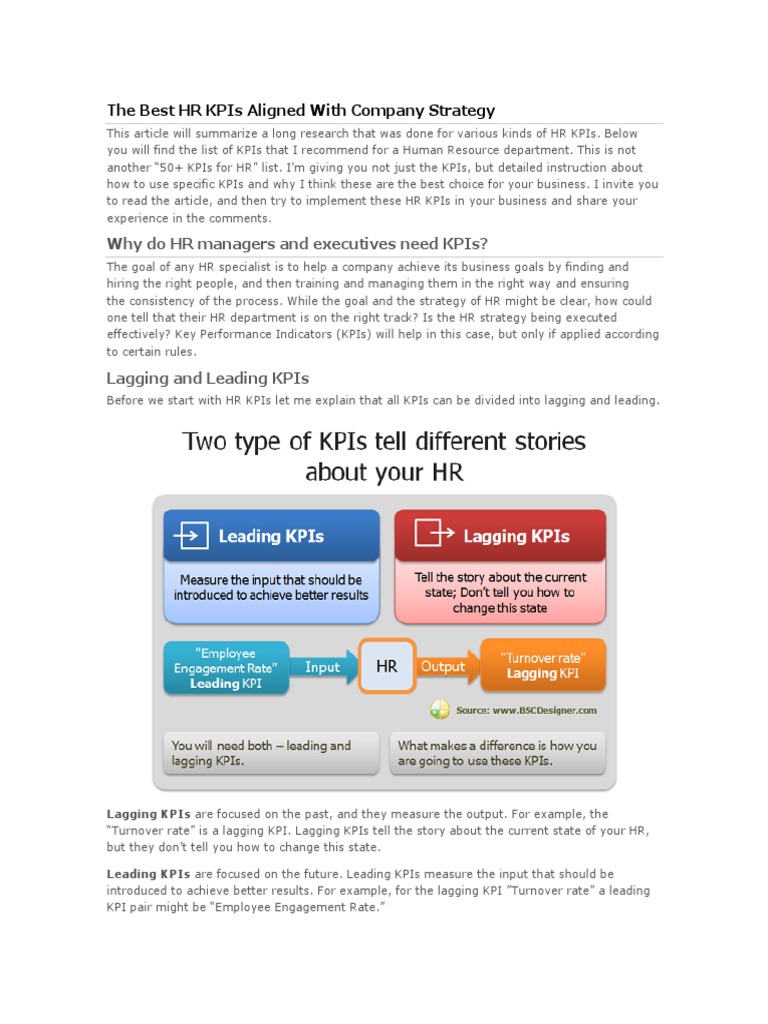
Employee turnover rate is a fundamental metric that reflects the percentage of employees who leave the organization over a specified period. A high turnover rate can indicate underlying issues such as poor job satisfaction or inadequate managerial practices. By calculating this rate, HR can identify trends and implement retention strategies. For instance, a low turnover rate generally suggests high employee engagement and satisfaction, whereas an unsustainable rate may necessitate a comprehensive analysis of organizational culture and employee feedback mechanisms.
2. Time to Hire
This KPI measures the duration taken to fill a vacancy from the moment a job requisition is opened until an offer is accepted. An extended time to hire can lead to increased workload for existing employees and may cause a decrease in productivity. Tracking this metric enables HR to streamline recruitment processes, thus facilitating a more efficient onboarding experience for new hires. Furthermore, a shorter hiring timeline often correlates with a more robust talent acquisition strategy, improving the organization’s ability to respond promptly to market demands.
3. Employee Engagement Score
Employee engagement is a critical determinant of workforce productivity and morale. This score is typically assessed through surveys and feedback forms that inquire about job satisfaction, connection to company values, and overall morale. High levels of engagement are linked to enhanced performance and lower turnover rates. By regularly measuring this score, HR can ascertain the efficacy of their initiatives aimed at fostering a positive workplace culture and identify areas needing improvement to sustain employee enthusiasm.
4. Training Effectiveness
The investment in employee training and development is a cornerstone of talent management. Measuring training effectiveness involves evaluating the impact of training programs on employee performance and productivity. This may include metrics such as post-training assessments, feedback surveys, and performance metrics before and after training. Companies must prioritize this KPI to ensure that their training initiatives yield tangible results and align with business strategy, ultimately enhancing workforce capabilities.
5. Absenteeism Rate
Absenteeism rate quantifies the frequency of unscheduled employee absences and can serve as an early warning sign of employee disengagement. A high absenteeism rate may signify issues such as workplace stress, job dissatisfaction, or health concerns. Monitoring this KPI helps HR identify trends over time, enabling them to implement policies and initiatives that promote health and wellness in the workplace, thus fostering a more committed and present workforce.
6. Diversity Hiring Metrics
As workplaces strive for inclusivity, tracking diversity hiring metrics has become paramount. This KPI evaluates the composition of newly hired employees across various demographics, including gender, ethnicity, and age. Analyzing this data helps organizations ensure they are attracting a diverse talent pool and creating an equitable work environment. Companies that prioritize diversity not only enhance workplace culture but also bolster creativity and innovation, which can lead to improved business outcomes.
7. Cost per Hire
The cost per hire metric encapsulates all expenses associated with recruiting a new employee, including advertising, agency fees, and onboarding costs. Keeping a close eye on this KPI enables HR departments to assess the financial efficiency of their talent acquisition strategies. By evaluating this cost over time, organizations can identify areas for optimization, potentially refining their recruitment budget and improving their return on investment.
8. Performance and Productivity Metrics
Measuring employee performance is crucial for aligning individual goals with organizational objectives. Performance metrics can encompass various criteria such as sales targets, project completion rates, and customer satisfaction scores. Regularly assessing these metrics allows HR to identify high performers, recognize achievements, and implement tailored development programs that propel workforce efficiency. Moreover, understanding these productivity patterns equips management to allocate resources effectively, driving overall business success.
9. Succession Planning Metrics
Succession planning ensures that critical roles within the organization can be filled seamlessly when necessary. Tracking succession planning metrics such as the number of employees ready to step into key positions or the percentage of leadership roles filled internally prepares organizations for future transitions. A robust succession plan fosters employee growth and morale, demonstrating a commitment to career advancement within the company, and ultimately strengthens employee retention.
10. Workplace Safety Incidents
The safety of employees is paramount in any organization. Tracking workplace safety incidents not only reflects the effectiveness of safety protocols but also impacts employee well-being. Measuring the frequency and nature of incidents can help HR identify potential hazards, implement preventive measures, and promote a culture of safety. Companies that prioritize safety often experience reduced liability and enhanced employee morale, contributing to a more engaged and productive workforce.
In conclusion, the meticulous tracking of these top 10 HR KPIs is indispensable for organizations striving to optimize their human resource management. By continuously monitoring and analyzing these metrics, companies can foster an environment that enhances employee satisfaction, productivity, and retention, ultimately driving the organization toward successful and sustainable growth. Embracing a data-driven approach to HR not only cultivates a thriving workforce but also aligns with broader business goals, ensuring a competitive edge in today’s dynamic market.
FAQ
What are HR KPIs?
HR KPIs, or Human Resources Key Performance Indicators, are measurable values that help organizations evaluate the effectiveness of their HR functions and strategies.
Why is tracking employee turnover rate important?
Tracking employee turnover rate helps identify retention issues and employee satisfaction levels, enabling HR to implement effective strategies to reduce unwanted turnover.
How can HR KPIs improve recruitment?
HR KPIs like time to hire and cost per hire help streamline recruitment processes, reduce hiring costs, and improve the overall talent acquisition strategy.
What role does employee engagement score play in HR management?
Employee engagement score indicates the level of employee satisfaction and connection to company values, which directly impacts productivity and retention.
Why should companies track workplace safety incidents?
Tracking workplace safety incidents helps ensure employee well-being, reduces liabilities, and fosters a culture of safety, contributing to a more productive workforce.





Leave a Reply