
Short Answer
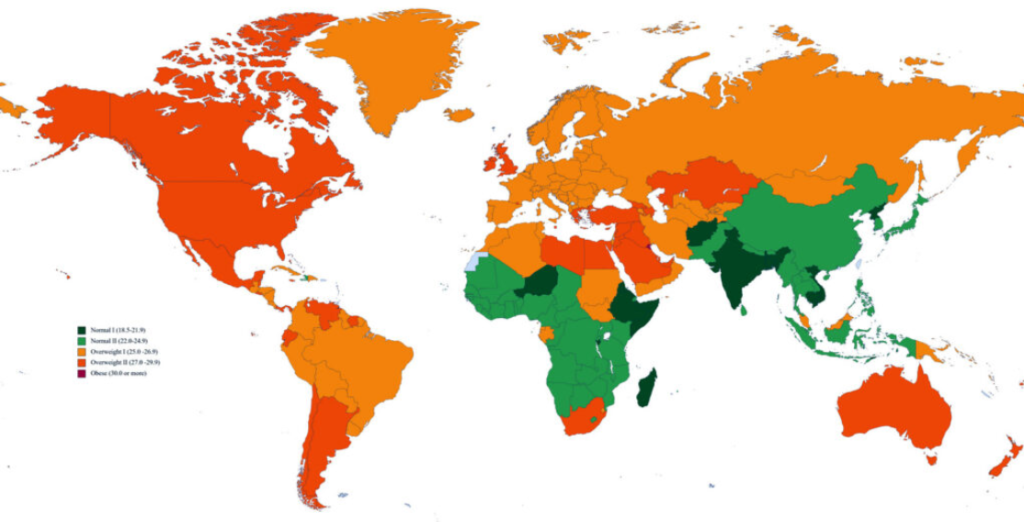
Obesity has emerged as a significant global health issue, leading to a myriad of consequences that ripple through societies. In numerous countries, excessive body weight has become alarmingly prevalent, giving rise to an urgent challenge for public health systems and individuals alike. Have you ever pondered which nations bear the heaviest burden of this epidemic? Join us as we explore the top ten most obese countries in the world, a journey that invites both reflection and contemplation. But beware, as you read through, challenge yourself to consider how lifestyle and dietary choices impact not just individual health but also the fabric of entire nations.
Throughout this exploration, we will delve into the factors contributing to obesity in these countries, examining the cultural, economic, and environmental influences at play. As we navigate this landscape, themes of diet, exercise, and public policy will take center stage, revealing the complexities of a situation that is both urgent and multifaceted.
1. Nauru
Nauru, a tiny island nation in the Pacific Ocean, has been grappling with severe obesity rates for years. With over 60% of its adult population classified as obese, a confluence of factors plays a role. Traditionally reliant on imported foods, many residents consume diets high in carbohydrates and low in nutritional value. The scarcity of fresh produce exacerbates the situation, making it difficult for residents to access healthy options.
2. Cook Islands
Not far behind is the Cook Islands, where over half of the populace faces obesity-related challenges. The islands’ economy heavily leans on importing processed foods, resulting in a calorically dense diet that lacks vital nutrients. Coupled with a decrease in physical activity due to lifestyle changes, the implications for public health are dire. The community is now increasingly aware of the necessity to address this pressing concern.
3. Palau
Palau, renowned for its picturesque coral reefs, is also home to a substantial obesity crisis, with around 55% of adults classified as obese. This alarming statistic is largely attributable to dietary habits that favor fast food, combined with a marked decline in traditional physical activities. Campaigns aimed at lifestyle modifications are slowly gaining traction, yet the journey toward a healthier populace remains fraught with challenges.
4. Marshall Islands
In the Marshall Islands, over half of adults struggle with obesity, placing strain on healthcare resources. The influx of Western dietary patterns, including processed foods high in sugar and fat, has dramatically altered traditional diets. As people become increasingly sedentary, concerted efforts are being made to promote healthier eating habits and an active lifestyle, but progress has been slow.
5. Tuvalu
Tuvalu is another Pacific nation characterized by staggering obesity rates, with nearly 45% of the population affected. The dependency on imported goods results in a lack of variety and nutritional value in many diets. Moreover, climate change has jeopardized local food production, compounding the health crisis as communities struggle to adapt to shifting environmental realities.
6. Niue
Niue, a diminutive island with a large obesity problem, sees approximately 80% of its adult population classified as obese. Traditional diets are being supplanted by cheaper, unhealthy options that saturate the market. With a renewed emphasis on nutrition and fitness, it is hoped that these numbers can be curtailed and future generations can benefit from healthier choices.
7. American Samoa
American Samoa has alarmingly high obesity rates, with the majority of adults categorized as obese. This is a direct result of a Western lifestyle permeating the island, where processed foods dominate menus. Efforts to foster a return to traditional diets and daily physical activity might prove essential in reversing this trend, although ongoing societal pressures complicate these initiatives.
8. Tonga
With around 53% of adults classified as obese, Tonga is another island nation facing a burgeoning obesity crisis. A shift toward processed foods, combined with lifestyle changes, has called into question long-standing health paradigms. The need for community-wide health awareness programs is crucial to address this growing concern and inspire healthier choices.
9. Seychelles
Seychelles’ obesity rate hovers around 42%, a statistic driven by economic factors that prioritize inexpensive, unhealthy food options. As tourism remains a significant aspect of the economy, an increasing population is also becoming sedentary. Education and policy changes surrounding nutrition and active living could potentially mitigate these trends.
10. Saudi Arabia
Finally, in Saudi Arabia, the obesity epidemic is inching toward alarming levels, with approximately 35% of the public classified as obese. A diet increasingly laden with fast food and soft drinks, coupled with a sedentary lifestyle, has led to rising health concerns. National initiatives aimed at promoting healthier lifestyles are emerging, yet the societal shifts required for meaningful change are monumental.
As we draw our examination of the most obese countries in the world to a close, it becomes evident that the plight of obesity transcends mere numbers. It embodies a complex interplay of culture, economics, and environment. Each nation is on a unique journey, challenged by its history and the rapidly changing world around it.
In reflection, consider the role that you and your community might play in addressing obesity. What small changes can you make in your daily diet? Can you advocate for healthier options in your local eateries? The challenge lies not only in recognizing the gravity of the issue but also in taking actionable steps toward healthier lifestyles—both for individuals and communities globally. The journey may be daunting, but every step toward better health is indeed a step worth taking.
FAQ
What are the top 10 most obese countries in the world?
The top 10 most obese countries include Nauru, Cook Islands, Palau, Marshall Islands, Tuvalu, Niue, American Samoa, Tonga, Seychelles, and Saudi Arabia.
What factors contribute to high obesity rates in these countries?
Key factors include reliance on imported processed foods, high carbohydrate and fat diets, decreased physical activity, economic challenges, and environmental issues such as climate change affecting local food production.
How does obesity impact public health in these nations?
Obesity strains healthcare resources, increases the risk of chronic diseases, and poses challenges for public health systems to manage related health complications.
What measures are being taken to address obesity in these countries?
Efforts include public health campaigns promoting healthier diets and physical activity, policy initiatives to improve food quality and availability, and community awareness programs.






Leave a Reply