
Short Answer
Hinduism, one of the world’s oldest religions, is steeped in rich traditions and a myriad of festivals. These celebrations, which are as diverse as the culture itself, reflect the profound spirituality, vibrant community life, and intricate rituals that characterize Hindu ethos. From colorful festivities to solemn prayers, each festival offers unique insights into the beliefs and values of millions of devotees. Below, we explore the top ten most significant Hindu festivals, each weaving a tapestry of history, devotion, and culture.
1. Diwali
Diwali, also known as the Festival of Lights, is arguably the most celebrated festival in Hinduism. Observed with great fervor across India and around the globe, this festival symbolizes the triumph of light over darkness and good over evil. Celebrated usually in October or November, families adorn their homes with diyas (oil lamps), create elaborate rangoli designs, and participate in puja (prayer ceremonies) to Lakshmi, the goddess of wealth. The evening is marked by fireworks, family feasts, and the exchange of gifts, fostering a spirit of unity and love.
2. Holi
Renowned for its exuberance, Holi is the Festival of Colors celebrated during the full moon in March. This jubilant occasion commemorates the arrival of spring and the victory of good over evil. Participants engage in playful color throwing, singing, and dancing, which fosters a sense of community and joy. Holi represents the breaking of social barriers—people from different backgrounds come together to celebrate, making it a beautiful testament to unity and love.
3. Navaratri/Dussehra
Navaratri, meaning ‘nine nights,’ is a significant festival dedicated to the worship of the goddess Durga. It is observed for nine nights with dance, music, and fasting across India, culminating in Dussehra, which celebrates the victory of Lord Rama over the demon king Ravana. The festival promotes the virtues of courage, strength, and the importance of righteousness. In various regions, people enact plays depicting the Ramayana, drawing crowds and fostering a sense of cultural identity and heritage.
4. Raksha Bandhan
Raksha Bandhan celebrates the sacred bond between brothers and sisters. This festival, usually taking place in August, involves sisters tying a protective thread (rakhi) around their brothers’ wrists. In return, brothers pledge to protect their sisters and often offer gifts as tokens of appreciation. The essence of Raksha Bandhan extends beyond biological ties, emphasizing the importance of familial bonds, love, and mutual respect.
5. Pongal/Makar Sankranti
Pongal, primarily celebrated in Tamil Nadu, is a harvest festival that lasts for four days. It is a time for thankfulness, where families prepare a special dish made from newly harvested rice and offer it to the Sun God. The festival coincides with Makar Sankranti, which marks the transition of the sun into the zodiac sign of Capricorn. The rituals performed during this time promote agricultural gratitude, community spirit, and the significance of nature in human sustenance.
6. Maha Shivaratri
Maha Shivaratri, the Great Night of Shiva, is a solemn occasion where devotees honor Lord Shiva. Usually falling in February or March, this festival involves fasting, night vigils, and special prayers to seek blessings for peace and prosperity. Temples often remain open through the night, allowing devotees to participate in various rituals, symbolizing their commitment to self-discipline and devotion. Maha Shivaratri is a deep spiritual experience that fosters introspection and reverence.
7. Janmashtami
Janmashtami commemorates the birth of Lord Krishna, celebrated with zest and fervor across India, particularly in Mathura and Vrindavan. Typically taking place in August, the festival involves reenactments of Krishna’s childhood exploits, devotional singing, and fasting until midnight, which is believed to be the hour of Krishna’s birth. The joyous atmosphere, marked by dance and music, highlights Krishna’s playful nature and the profound love for him within the hearts of devotees.
8. Maha Kumbh Mela
The Maha Kumbh Mela is the largest religious gathering in the world and occurs every twelve years at four sacred river confluences. Pilgrims from all walks of life come to bathe in the holy waters, believed to cleanse them of sins and grant salvation. The festival is not only a display of faith but also a significant event that fosters communal harmony and spiritual discovery, providing a platform for various spiritual leaders to impart wisdom and teachings.
9. Ganesh Chaturthi
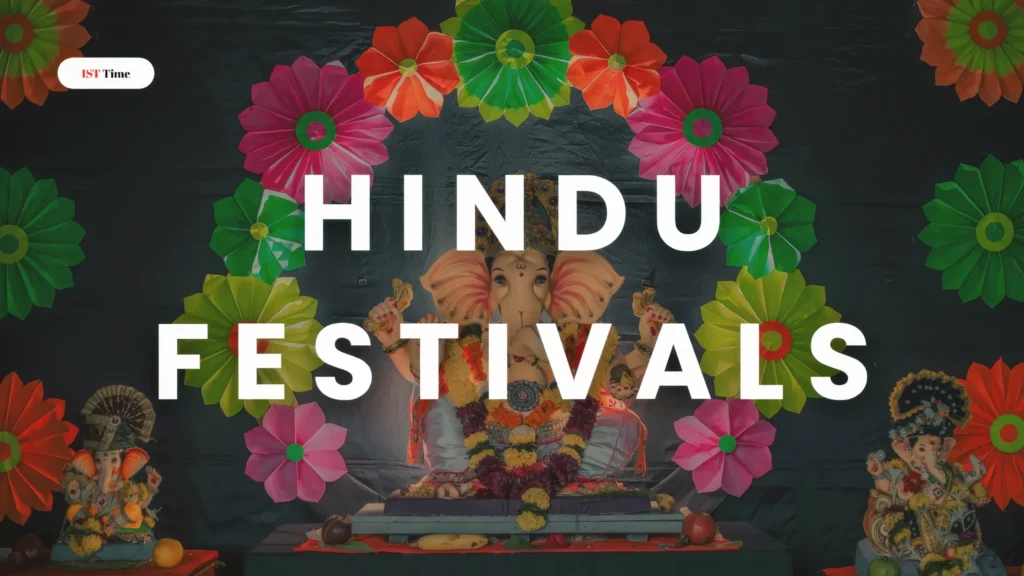
Ganesh Chaturthi marks the birth of Lord Ganesha, the elephant-headed god revered as the remover of obstacles and the harbinger of good fortune. This festival spans ten days, during which ornate statues of Ganesha are created, worshipped, and eventually immersed in water. The grand processions, fervent singing, and elaborate decorations exemplify the fervor and creativity of the devotees, demonstrating a unique blend of artistry, devotion, and celebration of life.
10. Onam
Onam, the harvest festival of Kerala, is a vibrant celebration marked by intricate floral arrangements (pookalam), traditional dances, and a grand feast known as Onam Sadhya. Celebrated over ten days, it commemorates the homecoming of King Mahabali and symbolizes prosperity, unity, and thanksgiving. The festival’s exuberance fosters a strong sense of community, bringing together individuals from diverse backgrounds to celebrate their shared heritage and culture.
These festivals not only embody the rich tapestry of Hindu traditions but also promote universal values of love, unity, and spirituality. Each celebration offers a snapshot into the profound beliefs that shape the daily lives of millions. Participating in or witnessing these festivals provides a deeper understanding of Hindu culture, enhancing one’s appreciation for the intricate customs that have endured through centuries. As the rhythms of life continue to evolve, these cherished festivals remain a cornerstone of identity and community, bridging the past with the present.
FAQ
What is the significance of Diwali?
Diwali, the Festival of Lights, symbolizes the victory of light over darkness and good over evil and is celebrated with prayers, fireworks, and family gatherings.
When is Holi celebrated and what does it represent?
Holi is celebrated during the full moon in March and marks the arrival of spring, the victory of good over evil, and promotes unity through playful color throwing.
What is the Maha Kumbh Mela?
Maha Kumbh Mela is the largest religious gathering in the world, held every twelve years at four sacred river confluences where pilgrims bathe to cleanse their sins.
What are common rituals during Navaratri and Dussehra?
Navaratri involves nine nights of worship, dance, music, and fasting dedicated to goddess Durga, culminating in Dussehra, celebrating Lord Rama’s victory over Ravana.




Leave a Reply