
Short Answer
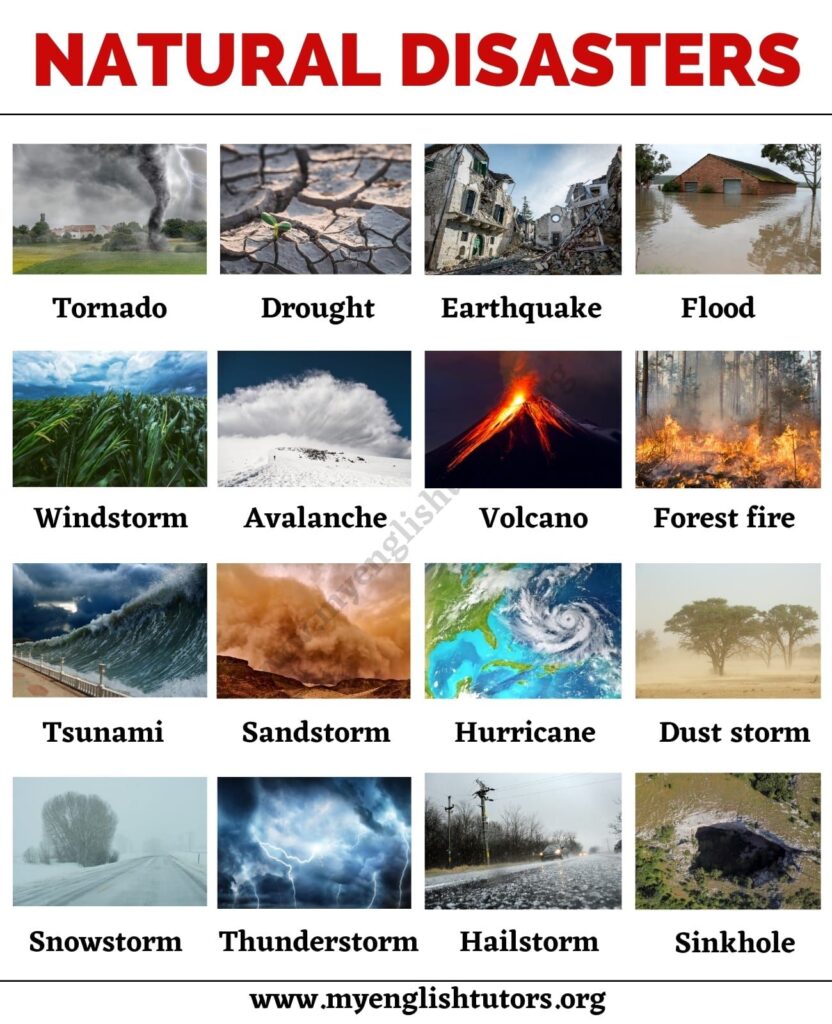
Natural disasters are formidable forces of nature, capable of wreaking havoc and transforming the very fabric of societies. Picture yourself in a world untouched by life’s capricious variances. Would it be serene, or would it be a place devoid of the lessons we learned from calamity? As we delve into the top ten natural disasters that irrevocably altered the world, let’s ponder how these cataclysmic events challenge our resilience and inspire change. Here’s a journey through history, where we will explore the profound impacts and lessons drawn from these formidable episodes.
1. The 1906 San Francisco Earthquake
The 1906 earthquake, registering a staggering 7.8 on the Richter scale, struck on the morning of April 18th, unleashing a catastrophic wave of destruction. While the quake itself caused significant damage, particularly to San Francisco, it was the ensuing fires that claimed the most lives and obliterated over 80% of the city. In the aftermath, building codes and urban planning underwent significant reformation. The city reshaped itself, emerging as a pioneer in earthquake-resistant architecture. Could it be that from wreckage originates resilience?
2. The 1931 China Floods
Marking one of the deadliest natural disasters in recorded history, the 1931 floods in China transformed the Yangtze and Huai rivers into monstrous torrents. An estimated 1-4 million lives were lost, alongside crippling economic destruction that affected millions more. These floods unveiled the vulnerabilities in flood control and management systems, leading to greater infrastructure improvements and international humanitarian responses. Have the horrors of such floods propelled us toward more robust environmental stewardship?
3. The 1980 Mount St. Helens Eruption
On May 18, 1980, Mount St. Helens erupted in Washington, redefining the landscape and reminding humanity of nature’s unpredictable temperament. The catastrophic explosion flattened forests and released plumes of ash that affected air travel and agricultural activities across the United States. This episode deepened scientific research into volcanic activity and enhanced monitoring systems globally. Could this volcanic fury hold the key to better predictive measures for future eruptions?
4. The 2004 Indian Ocean Tsunami
The Indian Ocean Tsunami, triggered by a colossal underwater earthquake, unleashed waves that devastated coastal regions across several nations on December 26, 2004. More than 230,000 lives were extinguished in mere minutes, highlighting global vulnerability to seismic events. The disaster galvanized international cooperation, leading to significant advancements in tsunami warning systems. Isn’t it fascinating how a tragedy could catalyze collective action for safety?
5. Hurricane Katrina (2005)
Hurricane Katrina swept through the Gulf Coast in August 2005, becoming a harbinger of devastating winds, deluge, and societal mismanagement. The storm’s aftermath exposed the fragility of infrastructure and emergency response systems, particularly in New Orleans, where levees were insufficient to withstand the storm’s surge. The catastrophe incited nationwide discourse on disaster preparedness and socio-political inequalities. What lessons linger in the shadows of Katrina’s wrath?
6. The 2010 Haiti Earthquake
On January 12, 2010, a massive earthquake with a magnitude of 7.0 struck Haiti, leaving the impoverished nation in ruins. Estimates suggest that over 230,000 lives were lost, with countless others injured, homeless, or displaced. The disaster underscored the critical importance of global humanitarian aid and the necessity for resilient rebuilding practices. Can the world find a silver lining in such tragedy by cultivating a spirit of unity and support among nations?
7. The 2011 Tōhoku Earthquake and Tsunami
The Tōhoku disaster of March 11, 2011, unleashed a 9.1 magnitude earthquake, followed by a tsunami that led to catastrophic destruction in Japan, including a nuclear crisis at Fukushima. With thousands dead and entire towns washed away, this event prompted profound reevaluations of nuclear safety practices and disaster preparedness worldwide. Might it be possible for the ashes of such calamities to provide us with fresh insights for a safer tomorrow?
8. The 1976 Tangshan Earthquake
This lesser-known disaster occurred in China on July 28, 1976, when a magnitude 7.5 earthquake decimated the city of Tangshan, resulting in an estimated 242,000 casualties. The destructiveness of the quake emphasized the pivotal role of earthquake preparedness and infrastructure adequacy. The event’s aftermath birthed advances in earthquake engineering and disaster response protocols. Are we, as a global community, equipped to leverage these historical lessons into actionable strategies?
9. The Dust Bowl (1930s)
The Dust Bowl was a formidable ecological disaster that swept through America’s Great Plains during the 1930s, leading to agricultural collapse and mass migration. Poor farming practices combined with severe drought created an environmental nightmare that forced a nationwide reevaluation of land use policies. This catastrophe prompted significant changes in agriculture, urging communities to adopt sustainable practices. Can disasters spur an agricultural renaissance of innovation?
10. The 1815 Eruption of Mount Tambora
The cataclysmic eruption of Mount Tambora in Indonesia is credited with creating the “Year Without a Summer” in 1816. The violent explosion propelled ash high into the atmosphere, resulting in widespread crop failures and famine across the globe. This event led to significant agricultural shifts and heightened awareness of climate science. Could it be that through understanding our climatic vulnerabilities, we cultivate a more adaptive world?
As we reflect on these ten extraordinary natural disasters, a compelling narrative emerges—a saga of resilience, preparedness, and transformation. Each catastrophe, while uniquely devastating, has played an instrumental role in shaping not just policies but the very fabric of our societies. Can we embrace these moments as harbingers of change, learning from the shadows of calamity to construct a more resilient and harmonious future? The challenge remains for us all: to turn adversities into opportunities for sustainable progress.
FAQ
What are some of the deadliest natural disasters in history?
Some of the deadliest natural disasters include the 1931 China Floods, the 2004 Indian Ocean Tsunami, and the 2010 Haiti Earthquake, each causing hundreds of thousands to millions of fatalities.
How have natural disasters influenced urban planning and infrastructure?
Natural disasters such as the 1906 San Francisco Earthquake and Hurricane Katrina have led to reforms in building codes, urban planning, and disaster response systems to enhance resilience and reduce future risks.
What lessons have been learned from volcanic eruptions like Mount St. Helens and Mount Tambora?
These eruptions have improved scientific monitoring of volcanic activity, advanced climate impact awareness, and emphasized the importance of preparedness for environmental and agricultural disturbances.
How do natural disasters impact global cooperation?
Disasters like the 2004 Indian Ocean Tsunami have galvanized international cooperation, leading to the development of early warning systems and coordinated humanitarian responses.




Leave a Reply