
Short Answer
Australia is renowned for its breathtaking landscapes, vibrant culture, and an astonishing diversity of wildlife. However, among its many inhabitants, some creatures embody a level of danger that is equal to their beauty. The unique ecosystems of Australia foster environments where some of the most venomous and formidable animals thrive. In this article, we delve into the top 10 most dangerous animals in Australia, emphasizing not only their perilous nature but also their ecological significance.
1. Box Jellyfish (Chironex fleckeri)
The box jellyfish, often considered one of the most lethal creatures on the planet, inhabits the coastal waters of Northern Australia. Characterized by its translucent, box-shaped bell and long, trailing tentacles, this jellyfish can deliver a sting that causes excruciating pain and can lead to cardiac arrest within minutes. With its venomous tentacles equipped with thousands of specialized cells called nematocysts, contact can be fatal. Its presence reminds beachgoers of the unyielding power of nature.
2. Inland Taipan (Oxyuranus microlepidotus)
Renowned as the world’s most venomous snake, the inland taipan, or “fierce snake,” is a master of stealth. Predominantly found in the arid regions of central Australia, this elusive serpent has venom that can kill a human in under an hour. Its venom is particularly potent, containing neurotoxins that can paralyze the nervous system. Thankfully, this snake is reclusive and rarely encounters humans, preferring to remain hidden in its natural habitat.
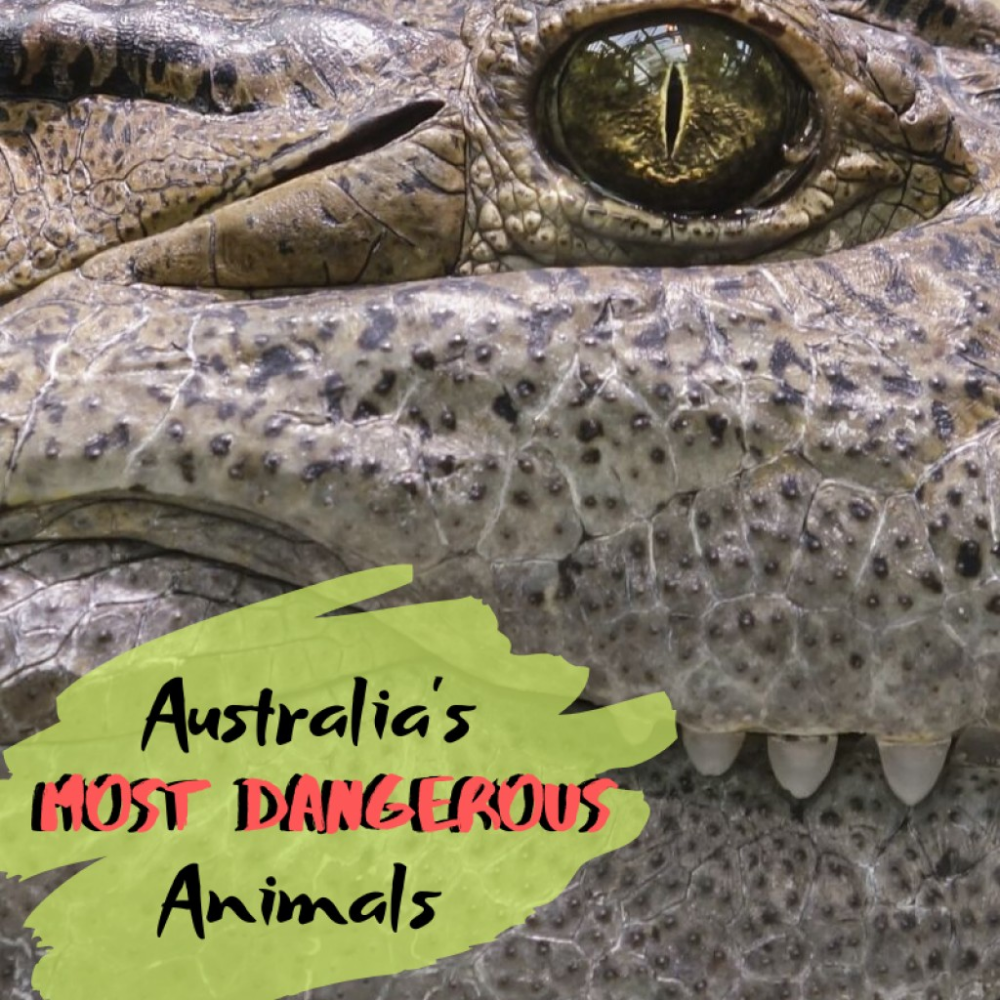
3. Saltwater Crocodile (Crocodylus porosus)
The saltwater crocodile, the largest living reptile, is a formidable predator that reigns supreme in Australia’s waterways. These ancient creatures can exceed 20 feet in length and possess an extraordinary bite force. Found in estuaries, rivers, and coastal areas, saltwater crocodiles are known for their ambush hunting tactics, making them incredibly dangerous to unsuspecting prey. Their stealth and aggressive territorial behavior pose risks to humans venturing too close to their domain.
4. Sydney Funnel-Web Spider (Atrax robustus)
This highly venomous spider, indigenous to the Sydney region, is notorious for its aggressive temperament. The male Sydney funnel-web spider is particularly dangerous, as it possesses fangs capable of penetrating human skin. Its neurotoxin can cause severe illness and, in extreme cases, death if left untreated. Although antivenom has been developed, encounters with these arachnids induce trepidation among both locals and tourists. The spider’s intricate web structure adds to the allure of its fascinating, yet fearsome, nature.
5. Eastern Brown Snake (Pseudonaja textilis)
Regarded as Australia’s second most venomous land snake, the eastern brown snake is often found in urban areas, increasing its chances of human interaction. Quick and elusive, it can deliver a potent bite that may result in paralysis or even death. Despite its lethal potential, this snake plays a crucial role in maintaining ecological balance, preying on rodents and small mammals. Awareness of its presence is imperative for those living in or visiting its habitat.
6. Great White Shark (Carcharodon carcharias)
The great white shark, a majestic yet fearsome predator of the ocean, commands respect in the waters off Australia’s coast. Known for its robust size and incredible hunting prowess, this shark is equipped with sharp teeth and a formidable sense of smell, allowing it to detect blood from miles away. While attacks on humans are rare, they can be devastating. Conservation efforts are crucial to understanding and protecting this apex predator and the complex marine ecosystems it inhabits.
7. Cone Snail (Conus spp.)
With a shell that might appear innocuous, the cone snail harbors a dangerous secret. Found in warm coastal waters, these snails are equipped with a venomous harpoon used to capture prey. The venom of some species, such as the geographic cone snail, can be lethal to humans, causing paralysis and respiratory failure. The beauty of their shells belies their deadly nature, serving as a sobering reminder that not all that glitters is safe.
8. Stonefish (Synanceia spp.)
The stonefish is one of the most venomous fish recognized worldwide, camouflaging itself amongst rocks and coral, making it a stealthy threat to unwary swimmers. Its dorsal spines house venom that can inflict excruciating pain, respiratory distress, and even death. Its ability to stay still and blend into its surroundings emphasizes nature’s unique adaptations for survival and predation. Caution is advised in waters known to be inhabited by this elusive species.
9. Blue-ringed Octopus (Hapalochlaena spp.)
This small yet captivating cephalopod boasts vibrant blue rings that signal its toxicity. Found in tide pools and coral reefs, the blue-ringed octopus contains a venom potent enough to cause paralysis and respiratory failure in mere minutes. While typically non-aggressive, this creature will display its brilliant markings when threatened, serving as a warning to those who might overlook its presence among the rocks.
10. Irukandji Jellyfish (Carukia barnesi)
Pint-sized and often overlooked, the Irukandji jellyfish possesses venom that is exceptionally potent, capable of inducing Irukandji syndrome—a condition characterized by severe pain and cardiovascular complications. These jellyfish are notoriously small and transparent, making them elusive to those swimming in Australian waters. Awareness of their potential danger is critical for enjoying Australia’s aquatic environments safely.
In conclusion, Australia’s wildlife is a testament to the country’s awe-inspiring biodiversity, home to some of the most dangerous creatures on Earth. These animals play integral roles in their ecosystems, reminding us of the delicate balance of nature. While their presence can evoke fear, it is essential to appreciate their unique adaptations and the beauty they contribute to the Australian landscape. Respecting these creatures and their habitats ensures a harmonious coexistence in the wild.
FAQ
What are the most venomous animals in Australia?
Some of the most venomous animals in Australia include the Box Jellyfish, Inland Taipan, Sydney Funnel-Web Spider, Eastern Brown Snake, Cone Snail, Stonefish, Blue-ringed Octopus, and Irukandji Jellyfish.
Are all dangerous animals in Australia aggressive towards humans?
No, many dangerous animals such as the Inland Taipan and Blue-ringed Octopus are generally shy and avoid humans unless provoked or threatened.
How can I stay safe from dangerous Australian animals?
Staying informed about habitats, avoiding risky areas, wearing protective clothing, and following local safety advice can help minimize risks from dangerous wildlife.
Do these dangerous animals have ecological importance?
Yes, these animals play crucial roles in maintaining ecological balance by controlling populations of prey species and contributing to biodiversity.



Leave a Reply