
Short Answer
In a world increasingly driven by the pursuit of health and wellness, the crucial role of micronutrients is often overshadowed by macronutrient trends. However, one mineral that has garnered significant attention is magnesium, a vital component for a multitude of bodily functions. Often referred to as the “miracle mineral,” magnesium is critical for energy production, muscle function, and even mental health. Despite its importance, many individuals remain uninformed about the best dietary sources of this essential nutrient. Below, we delve into the top ten magnesium-rich foods that you should consider incorporating into your diet, each offering a delectable path to enhanced health.
1. Leafy Greens
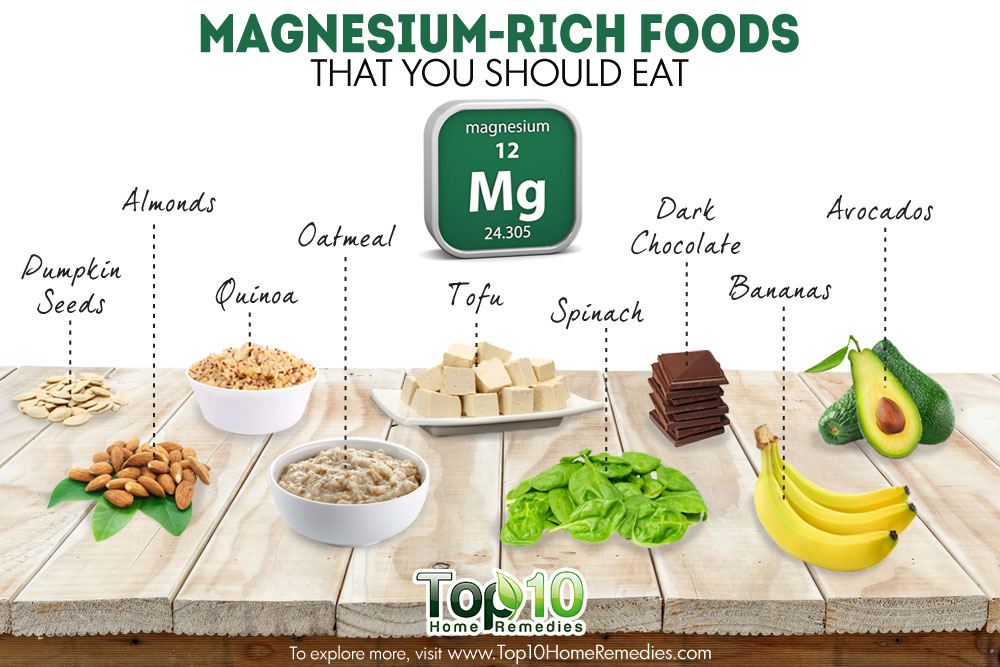
Leafy greens such as spinach, Swiss chard, and kale are not only an excellent source of magnesium but also pack a punch of vitamins A, C, and K. Just one cup of cooked spinach offers approximately 157 mg of magnesium, a substantial portion of the daily recommended intake. These verdant vegetables provide antioxidants and a myriad of phytochemicals that contribute to overall health, making them indispensable in a balanced diet.
2. Nuts and Seeds
Almonds, cashews, and pumpkin seeds are magnesium powerhouses. Almonds are particularly noteworthy, delivering about 76 mg of magnesium per ounce. These nuts and seeds also supply healthy fats and protein, rendering them a perfect snack option. Moreover, various seeds such as hemp, chia, and flaxseed contribute to the daily magnesium quota, as they are versatile enough to sprinkle over salads or blend into smoothies.
3. Whole Grains
Whole grains, including quinoa, brown rice, and oats, serve as substantial sources of magnesium. Quinoa, a pseudocereal, is particularly impressive, as it offers around 118 mg of magnesium per cooked cup while also providing a complete protein profile. Integrating whole grains into your meals not only enhances magnesium intake but also delivers fiber and essential B vitamins, promoting digestive health and overall wellness.
4. Legumes
Beans and lentils are another formidable source of magnesium. Black beans and lentils pack about 60 mg per cup when cooked. Their high fiber content coupled with relatively low-fat levels makes them an excellent addition to soups, stews, or salads. Incorporating legumes into your diet not only boosts magnesium levels but also aids in blood sugar regulation, making them suitable for individuals monitoring their glucose levels.
5. Avocado
The creamy, sumptuous avocado is more than just a trendy toast topping; it is a rich source of magnesium. A medium avocado contains around 58 mg of magnesium, along with a wealth of healthy monounsaturated fats. This remarkable fruit also benefits cardiovascular health and offers a plethora of vitamins, positioning it as a veritable superfood. Whether in salads, smoothies, or simply sliced, avocados enrich your meals while offering substantial magnesium content.
6. Dark Chocolate
Indulging in dark chocolate can be guilt-free when you consider its health benefits, especially concerning magnesium. A mere ounce of dark chocolate (70-85% cacao) can provide around 64 mg of magnesium. This delectable treat is also loaded with antioxidants, which are essential for combatting oxidative stress in the body. When selecting dark chocolate, opt for varieties with higher cacao content to maximize benefits and minimize sugar.
7. Bananas
Commonly lauded for their potassium content, bananas are also a commendable source of magnesium. One medium banana contains about 32 mg of magnesium, making it a convenient and quick snack option. In addition to boosting magnesium levels, bananas offer fiber and vitamin C, capitalizing on their role in energy production and immune function. Their portability and sweetness make them perfect for on-the-go nourishment.
8. Fish
Particularly fatty fish such as mackerel and salmon are not only known for their omega-3 fatty acids but also serve as excellent sources of magnesium. An average fillet of mackerel contains upwards of 97 mg of magnesium. Regular consumption of fatty fish contributes to cognitive health, heart health, and inflammation reduction, making it a wise dietary choice for overall well-being.
9. Tofu
For those seeking plant-based protein sources, tofu stands out as a magnesium-rich food. A half-cup of firm tofu provides around 37 mg of magnesium. Beyond its versatility in multitudes of dishes, tofu delivers essential amino acids and calcium, thus enhancing its appeal. Whether stir-fried, grilled, or included in soups, tofu serves as an excellent avenue to boost magnesium intake, especially in vegetarian diets.
10. Dried Fruits
Dried fruits, particularly figs, prunes, and apricots, offer a concentrated source of magnesium. For instance, a half-cup of dried figs can deliver about 50 mg of magnesium. While they provide natural sweetness, dried fruits also contain dietary fiber and antioxidants. However, moderation is key, as they are calorie-dense. These fruits can be easily added to oatmeal, baked goods, or enjoyed on their own as a healthy snack.
Incorporating magnesium-rich foods into your daily regimen can yield numerous health benefits, from improved muscle function to enhanced mood stability. By selecting a variety of the foods detailed above, you can create a balanced, nutritious diet while ensuring adequate magnesium intake. As our understanding of micronutrients continues to deepen, recognizing the value of such foods may transform your culinary habits. So, embark on this delightful journey toward dietary enrichment—your body will be grateful.
FAQ
What are the best dietary sources of magnesium?
The best sources include leafy greens (spinach, kale), nuts and seeds (almonds, pumpkin seeds), whole grains (quinoa, brown rice), legumes, avocado, and dark chocolate.
Can magnesium intake affect mental health?
Yes, magnesium supports brain function and has been linked to mood stabilization and reduced symptoms of depression and anxiety.
Is dark chocolate a healthy way to get magnesium?
Dark chocolate with high cacao content (70-85%) is a good magnesium source and provides antioxidants, but it should be consumed in moderation due to calorie and sugar content.





Leave a Reply