
Short Answer
The world’s naval history is adorned with colossal bases, each a testament to the evolution of maritime power and strategic defense. Naval bases serve as critical hubs for operations, logistical support, and training exercises, enabling nations to project their naval capabilities far beyond their shores. Here, we explore the top 10 largest naval bases ever constructed, delving into their unique features, historical significance, and the roles they play in global maritime dynamics.
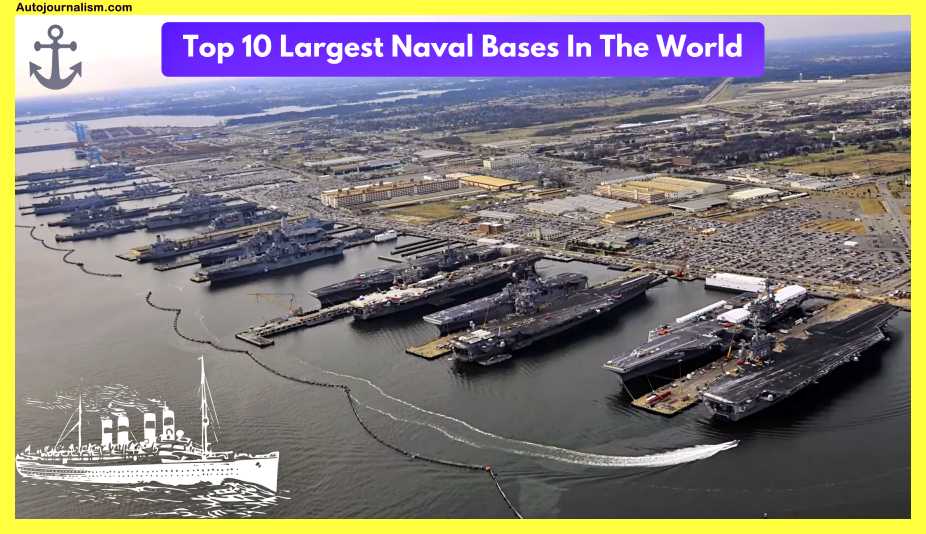
1. Naval Station Norfolk, USA
Nestled in Virginia, Naval Station Norfolk reigns as the largest naval base in the world. Covering over 14,000 acres, this vast facility is critical to the United States Navy’s Atlantic Fleet operations. With more than 70 ships and 130 aircraft assigned, Norfolk is not only a base but a bustling community that houses around 90,000 personnel. Notably, it features state-of-the-art facilities, ample pier space, and extensive maintenance capabilities, underscoring its strategic importance in maritime defense and power projection.
2. Combined Fleet Support Facility, Yokosuka, Japan
Yokosuka, located just south of Tokyo, is home to the United States Seventh Fleet and boasts the status of the largest naval base in Asia. Covering approximately 1,300 acres, this bastion presents a unique blend of Japanese naval heritage and American military presence. Established in 1853, the base has been pivotal during key conflicts in the Pacific. Its deep-water port accommodates large aircraft carriers and vessels, making it a vital operational hub for naval forces in Asia.
3. Naval Base San Diego, USA
As the largest naval base on the West Coast of the United States, Naval Base San Diego spans over 2,500 acres. Housing more than 60 ships, primarily focused on amphibious warfare and surface combatant operations, this base plays an essential role in the U.S. Navy’s Pacific strategies. The base features extensive facilities for training and maintenance, enabling a comprehensive readiness posture for various maritime missions, while its geographical position allows for swift deployment across the Pacific theater.
4. HMAS Stirling, Australia
Located near Perth, HMAS Stirling serves as the Royal Australian Navy’s primary submarine base. Encompassing 1,500 acres of land and water, it is strategically positioned at the edge of the Indian Ocean. Beyond its primary role as a submarine support facility, HMAS Stirling is instrumental in fostering joint military exercises, enhancing interoperability with allied forces. Its infrastructure facilitates not only naval operations but also vital training exercises to ensure operational readiness in the dynamic maritime environment of the region.
5. Trident Submarine Base, Kings Bay, USA
Trident Submarine Base in Georgia serves as a key facility for the United States’ nuclear deterrent, housing Ohio-class submarines capable of launching ballistic missiles. Sprawling over 16,000 acres, the base is essential for the maintenance, training, and operational readiness of submarine forces. Its location provides strategic access to both the Atlantic Ocean and vital inland waterways. Kings Bay exemplifies the importance of secure, concealed bases amidst contemporary national security architectures.
6. Changi Naval Base, Singapore
The Changi Naval Base stands as a modern marvel of naval engineering, designed to support Singapore’s evolving maritime defense requirements. Covering approximately 1,000 acres, it significantly enhances the Republic of Singapore Navy’s capabilities and serves as a regional hub for naval collaboration. With dedicated facilities for surface ships, submarines, and logistics, Changi exemplifies the importance of strategic maritime infrastructure in one of the world’s busiest shipping lanes.
7. Portsmouth Naval Base, United Kingdom
A cornerstone of the Royal Navy, Portsmouth Naval Base has been in operation since the 15th century. Spanning over 2,000 acres, it is one of the oldest continually operational naval bases in the world. Home to several major warships, the base is undergoing significant modernization to enhance its facilities and capabilities. Portsmouth continues to be pivotal in the UK’s maritime strategy, facilitating a range of operations from training to international deployments.
8. Naval Base Rota, Spain
Naval Base Rota is strategically located at the entrance to the Mediterranean Sea, covering around 400 acres. Serving as a key logistical hub for U.S. naval forces in Europe and Africa, it plays a crucial role in NATO’s maritime strategy. Rota’s capabilities facilitate rapid response to emerging threats and provide support for allied operations, making it an indispensable asset in the evolving landscape of global naval power.
9. Naval Station Pearl Harbor, USA
Famed for its historical significance during World War II, Naval Station Pearl Harbor is located in Hawaii and covers a strategic deep-water harbor. The base serves as a forward operating base for the U.S. Pacific Fleet and is vital for maritime operations across the Indo-Pacific region. Pearl Harbor combines its rich history with modern naval infrastructure, which includes extensive logistical capabilities and advanced training facilities for personnel.
10. Fleet Activities Sasebo, Japan
Fleet Activities Sasebo is another critical U.S. Navy installation located in Japan, covering approximately 300 acres. Its strategic location allows for operational flexibility in the Asia-Pacific region. The base supports forward-deployed naval forces, particularly amphibious readiness groups, and plays a crucial role in multinational exercises, fostering alliances and enhancing collective security in the region.
In summary, the largest naval bases around the world exemplify the critical importance of maritime infrastructure in national defense and global stability. Each facility serves a unique purpose, driven by historical legacy, geographical positioning, and strategic intent. As the dynamics of naval warfare continue to evolve, these bases will remain vital to their respective nation’s military capabilities, ensuring readiness and adaptability for future maritime challenges.
FAQ
What defines the size of a naval base?
The size of a naval base is typically defined by its physical area, the number of ships, aircraft, personnel it supports, and its operational capabilities.
Why are naval bases important for national security?
Naval bases serve as strategic hubs for maritime defense, enabling countries to project naval power, conduct training, and maintain operational readiness.
Which is the largest naval base in the world?
Naval Station Norfolk in the USA, covering over 14,000 acres, is the largest naval base globally.
How do naval bases support international military cooperation?
They host joint exercises, provide logistical support for allied forces, and enable interoperability between navies.






Leave a Reply