
Short Answer
Mountains have long captivated the human imagination, standing as colossal sentinels that command awe and instill a sense of humility. With their soaring peaks piercing through the clouds and their formidable presence dominating the landscape, these natural wonders evoke a myriad of emotions, from reverence to curiosity. The largest mountains in the world not only represent breathtaking geographical marvels but also serve as metaphors for challenge, endurance, and the pursuit of greatness. This article explores the ten tallest mountains on our planet, examining each one’s unique characteristics, fascination, and the cultural significance they hold.
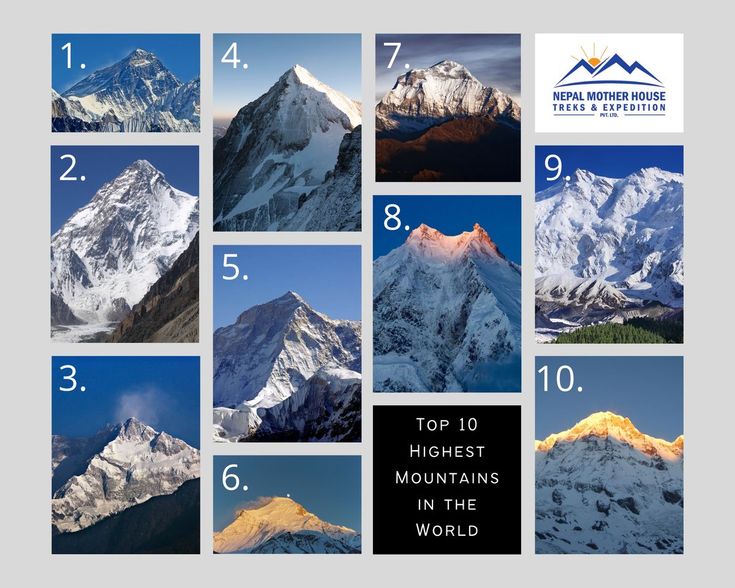
1. Mount Everest – 29,029 feet (8,848 meters)
Rising majestically in the Himalayas, Mount Everest reigns as the tallest mountain on Earth. Situated on the border between Nepal and the Tibet Autonomous Region of China, its name, “Sagarmatha” in Nepali and “Chomolungma” in Tibetan, translates to “Goddess Mother of the World.” The allure of Everest is multifaceted; it has become a symbol of human resilience as climbers face perilous conditions, from frigid temperatures to unpredictable weather. Expeditions have surged in popularity, leading to a complex tapestry of triumph and tragedy that accompanies those who aspire to reach its summit.
2. K2 – 28,251 feet (8,611 meters)
Recognized for its sheer technical difficulty, K2, or “Chogori,” sits on the border of Pakistan and China. Surrounded by an intimidating network of glaciers, it is renowned for its unpredictable climate and steep ridges. K2’s allure lies in the challenge it presents; fewer climbers have summited K2 compared to Everest, making it a coveted feat for mountaineering enthusiasts. Its formidable reputation as one of the most dangerous peaks has forged a mystique that transcends geography and taps into the human psyche’s fascination with overcoming formidable obstacles.
3. Kangchenjunga – 28,169 feet (8,586 meters)
Nestled between Nepal and India, Kangchenjunga is revered not only for its height but also for its breathtaking beauty. Often cloaked in myth and legend, it is considered sacred by local communities, who believe it to be the abode of gods. This mountain embodies the profound connection between nature and spirituality, enticing adventurers, researchers, and tourists alike. The duality of its scenic splendor and mythical significance stirs a sense of wonder that few other mountains can evoke.
4. Lhotse – 27,940 feet (8,516 meters)
Adjacent to Mount Everest, Lhotse is often overshadowed by its illustrious neighbor. However, this mountain, with its dramatic south face, presents a unique challenge to climbers. The close relationship between Lhotse and Everest is emblematic of the interconnectedness of humanity’s ambitions—each ascent reflects the relentless pursuit of pushing boundaries. Revered for the breathtaking views it offers climbers, Lhotse also serves as a testing ground for mountaineers keen to hone their skills amidst the grandeur of the Himalayas.
5. Makalu – 27,838 feet (8,485 meters)
The imposing figure of Makalu, located in the eastern Himalayas, is known for its pyramid-like shape and dramatic elevation gain. As the fifth-highest mountain in the world, it is often regarded as one of the most beautiful peaks due to its striking silhouette. Makalu’s steep slopes and glacier-laden summit provide challenges that inspire awe and respect, inciting a fascination among climbers and anthropologists alike who seek to understand its formidable geology and complex ecosystems.
6. Cho Oyu – 26,864 feet (8,188 meters)
Secured in the Himalayas, Cho Oyu is regarded as one of the more accessible peaks for climbers. The name, meaning “Turquoise Goddess,” reflects its iridescent color that mesmerizes all who behold it. Cho Oyu’s notable feature lies in its relative ease of ascent, attracting a more diverse array of climbers, from seasoned experts to novices. This mountain embodies the democratization of the climbing experience, reflecting societal changes whereby adventuring into the unknown becomes increasingly within reach.
7. Dhaulagiri – 26,795 feet (8,167 meters)
Named “White Mountain,” Dhaulagiri stands as an impressive massif in Nepal, known for its dramatic topography and breathtaking views. The sheer cliffs and striking glaciers create a stunning display that speaks to the raw power of nature. Dhaulagiri’s profile is both intimidating and enticing, drawing climbers who seek an immersive experience in the pristine wilderness. Its unique geological features invite scientific study, deepening understanding of tectonic movements and creating layers of interest beyond mere altitude.
8. Manaslu – 26,781 feet (8,163 meters)
Manaslu, meaning “Mountain of the Spirit,” boasts an impressive history as the eighth highest peak. The mountain is revered in local culture, underscoring the intimate relationship between humans and their environment. Its allure comes not solely from its height but from the captivating scenery surrounding it. Adventurers are drawn to the culture-rich region filled with ancient monasteries and lush trails, offering insights into the profound connection that humans share with these towering landscapes.
9. Nanga Parbat – 26,660 feet (8,126 meters)
Nanga Parbat, also known as “The Naked Mountain,” is notorious for its challenging conditions and striking beauty. Towering above the Indus River in Pakistan, its peak is dramatic and perilous, making it one of the deadliest climbs in the world. Nanga Parbat embodies the dichotomy of nature’s beauty and danger, capturing climbers’ attention who yearn to test their limits against such splendid adversary. Moreover, it has become a focal point for discussions on risk versus reward in the pursuit of adventure.
10. Annapurna I – 26,545 feet (8,091 meters)
Annapurna I is renowned not only for its breathtaking heights but also for the notorious peril it presents— the first eight-thousander to be climbed but still maintaining one of the highest fatality rates among major peaks. Its name translates to “The Goddess of Nourishment,” and its cultural significance extends beyond mere geography. The climbers who venture here are entangled in the allure of danger and reverence, representing one of the ultimate tests of human ambition and determination.
These mountains loom large in both stature and significance, shaping landscape and culture alike. They serve as beacons of challenge and inspiration, compelling adventurers to confront not only the physical demands of nature but also the challenges within themselves. Each peak tells a story, intertwining human ambition and natural grandeur, ingraining itself in the collective consciousness of those who dream of reaching the apex of the world.
FAQ
What is the tallest mountain in the world?
Mount Everest is the tallest mountain in the world, standing at 29,029 feet (8,848 meters).
Which mountain is considered the most dangerous to climb?
Nanga Parbat and K2 are among the most dangerous mountains to climb due to their difficult terrain and severe weather conditions.
What is the significance of the names of these mountains?
Many mountains have names rooted in local languages and cultures, often reflecting spiritual beliefs or physical characteristics.
Are all the largest mountains located in the Himalayas?
Most of the world's tallest mountains are located in the Himalayas and Karakoram ranges.
What makes Cho Oyu more accessible than other peaks?
Cho Oyu is considered more accessible because of its relatively easier ascent route and less technical climbing requirements.






Leave a Reply