
Short Answer
Kyoto, the historical heart of Japan, is a city steeped in tradition and culture, boasting an impressive array of attractions that allure travelers from around the globe. Renowned for its stunning temples, serene gardens, and remarkable cultural heritage, Kyoto offers a delightful amalgamation of past and present. Here, we present the top ten attractions that should not be missed during your visit to this captivating city.
1. Kinkaku-ji (Golden Pavilion)
Often classified as a UNESCO World Heritage Site, Kinkaku-ji exemplifies the epitome of Japanese architectural splendor. This Zen Buddhist temple is equally breathtaking in summer and winter. The upper two floors are coated in shimmering gold leaf, reflecting into the tranquil pond that surrounds it, creating a mesmerizing view. As you stroll through the meticulously maintained gardens, the gentle rustle of pine trees and the stillness of the water invite profound contemplation.
2. Fushimi Inari Taisha
No visit to Kyoto is complete without a pilgrimage to Fushimi Inari Taisha, the head shrine dedicated to Inari, the Shinto deity of rice. Famous for its thousands of vermilion torii gates that snake up the sacred Mount Inari, the site emanates a mystical aura. As you ascend the mountainside, each gate contributes to the interplay of light and shadow, enhancing the spiritual experience. The panoramic views of Kyoto from the summit beckon intrepid explorers to reach the top.
3. Arashiyama Bamboo Grove
The ethereal serenity of the Arashiyama Bamboo Grove captivates with its towering stalks that sway gently in the breeze. Walking through this otherworldly forest, one can truly appreciate nature’s artistry. The bamboo’s rustling leaves produce a soft symphony that transports you away from the bustling city. Be sure to combine your visit with a stroll along the picturesque Togetsukyo Bridge, which offers stunning riverside vistas, particularly during cherry blossom season.
4. Kiyomizu-dera Temple
Nestled atop a hillside, Kiyomizu-dera is an iconic temple renowned for its wooden stage that juts out over the hillside, offering breathtaking views of the cherry and maple trees below. The temple’s name, meaning “Pure Water Temple,” is derived from the clear waters of the Otowa Waterfall that runs beneath it. Visitors can drink from three streams, each supposedly granting different fortunes. The experience is enhanced during the fall as the foliage transforms into vibrant hues of red and gold.
5. Gion District
Stepping into the Gion District is akin to traveling back in time. This ancient geisha district is replete with traditional wooden machiya houses and teahouses where skilled geishas entertain guests. Visitors can wander through the narrow streets lined with lanterns or enjoy a kaiseki meal, an exquisite multi-course dining experience. If you’re fortunate, you might catch a glimpse of a geisha gracefully navigating the streets, adding a layer of authenticity to this cultural enclave.
6. Nijo Castle
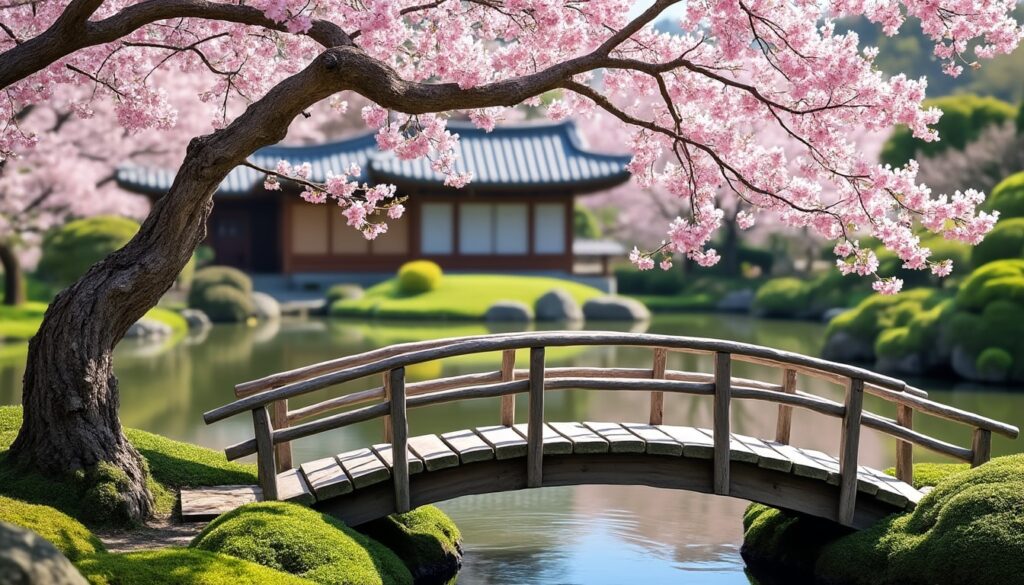
A stunning juxtaposition of aesthetics and history, Nijo Castle was once the residence of the shoguns. The exemplary architecture and lavish gardens captivate history enthusiasts. The castle features “nightingale floors” that chirp as you walk, designed to thwart intruders. Exploring the blossoming gardens during sakura season is a sight to behold, with cherry blossoms framing the castle in an idyllic tableau, marrying history with the ephemeral beauty of nature.
7. Ryoan-ji Rock Garden
Ryoan-ji is home to one of Japan’s most famous rock gardens, characterized by its minimalist composition. This zen garden invites contemplation with its meticulously arranged rocks and carefully raked gravel. The mysterious arrangement leaves much to interpretation, allowing visitors to reflect on various philosophical themes. The surrounding natural beauty, peppered with seasonal changes, creates a tranquil space perfect for meditation and relaxation.
8. Philosopher’s Path
Wander along the Philosopher’s Path, a cherry tree-lined canal that resonates with artistic and philosophical significance. Named after a prominent philosopher who practiced meditation while strolling here, the path offers a peaceful retreat from the urban bustle. Lined with quaint shops, art galleries, and traditional tea houses, it’s an ideal setting for leisurely exploration. The spring blossom is particularly enchanting, transforming the area into a vibrant pink canopy.
9. Sanjusangendo Hall
The Sanjusangendo Hall, housing an astounding 1,001 statues of Kannon, the goddess of mercy, is an incredible sight to behold. The hall itself stretches over 120 meters, making it the longest wooden structure in Japan. Each statue, intricately carved and distinct in expression, creates a hauntingly beautiful scene that invites deep reflection on compassion and peace. The atmosphere within the hall is serene, allowing for introspection amidst reverence.
10. Kyoto Imperial Palace
The Kyoto Imperial Palace, a stunning synthesis of historical significance and architectural elegance, once served as the residence of the Emperor of Japan. Its opulent gardens and picturesque moats showcase meticulous landscaping reflective of traditional Japanese aesthetics. Guided tours provide insights into the palace’s illustrious history and architecture, while the expansive grounds offer a tranquil escape, ideal for strolling and absorbing the ambiance of a bygone era.
In conclusion, Kyoto’s attractions present a stunning tableau of culture, history, and natural beauty. Each site narrates its own unique story, inviting visitors to delve deeper into the city’s rich tapestry. Whether one is imbued with a sense of spirituality in a temple, enchanted by the harmony of nature, or intrigued by the cultural vibrancy of the districts, Kyoto promises an unforgettable journey through time and tradition. Embrace the allure of Kyoto, and allow its wonders to inspire your soul.
FAQ
What are the must-see attractions in Kyoto?
Must-see attractions include Kinkaku-ji (Golden Pavilion), Fushimi Inari Taisha, Arashiyama Bamboo Grove, Kiyomizu-dera Temple, and the Gion District.
Why is Kyoto important culturally?
Kyoto was the former imperial capital of Japan and is home to numerous temples, shrines, and traditional districts preserving Japanese culture and history.
How can visitors experience traditional Kyoto culture?
Visitors can explore historic districts like Gion, attend tea ceremonies, visit temples and shrines, and enjoy seasonal festivals.





Leave a Reply