
Short Answer
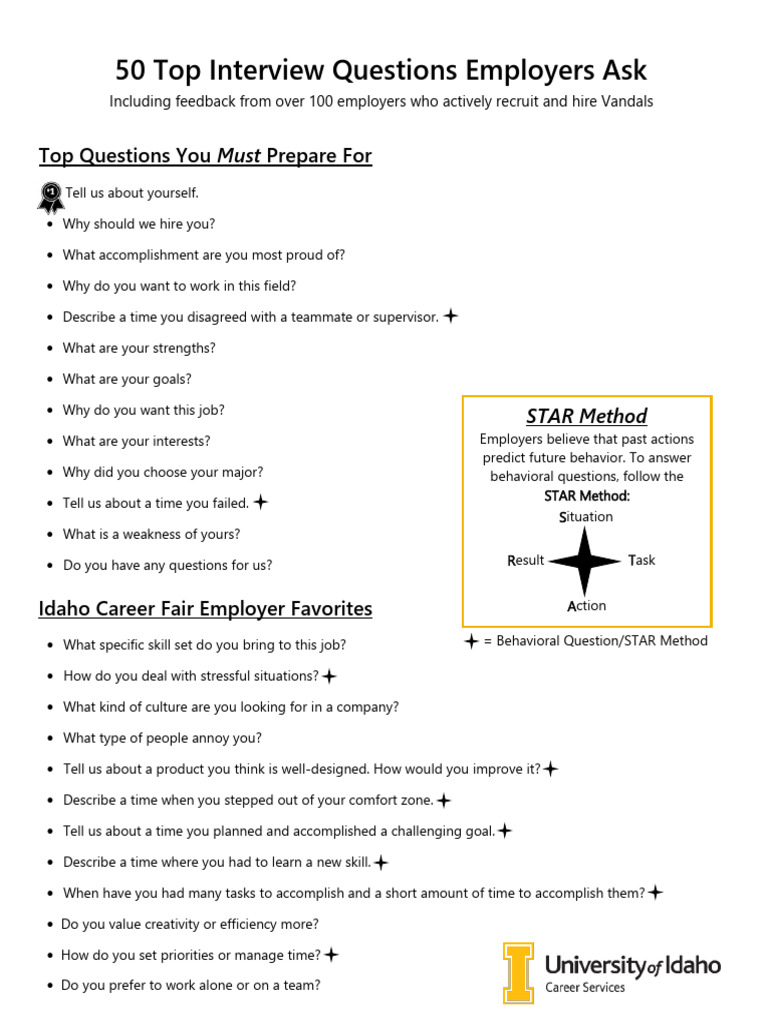
Embarking on a job interview can be a daunting experience, not only for candidates but also for employers. However, the interview process is a two-way street. While employers assess a candidate’s qualifications, it is equally crucial for candidates to gauge the organization’s compatibility with their aspirations and values. One effective way to achieve this is through thoughtful inquiries directed at potential employers. Herein, we explore the ten most astute questions candidates should consider asking to unveil deeper insights into a prospective workplace.
1. Can you describe the company culture and work environment?
Understanding the ethos of an organization is paramount. A company’s culture encompasses its values, beliefs, and overall atmosphere. By probing into this aspect, candidates can discern whether they would thrive in such an environment. Look for examples of team dynamics, work-life balance, and characteristics that distinguish the company from its competitors.
2. What are the key performance indicators for success in this role?
To ensure alignment between personal career goals and job expectations, it is essential to clarify how success is measured within the role. Inquire about specific metrics and benchmarks that the organization prioritizes. This not only provides clarity on job responsibilities but also conveys to the employer that you are results-oriented and proactive about achieving excellence.
3. How does this position contribute to the overall objectives of the company?
Understanding how an individual role fits into the broader organizational strategy is vital. This question allows candidates to comprehend their place within the company’s mission and vision. It also signals to the interviewer that the candidate is strategically minded, seeking to contribute to the long-term goals rather than merely fulfilling basic job responsibilities.
4. What opportunities exist for professional development and advancement?
A leading organization often prioritizes employee growth and development. By inquiring about training programs, mentorship opportunities, and pathways for promotion, candidates can evaluate whether the company is invested in their future. Look for indications that the organization nurtures talents and provides resources to help employees enhance their skill sets and advance their careers.
5. What challenges has the team faced recently, and how were they addressed?
Peering into the recent trials encountered by a team can unveil a wealth of information about its resilience and problem-solving capabilities. This question encourages openness about the organizational dynamics and reveals the implications of challenging situations. A thoughtful response can reflect how the team collaborates during adversity, potentially offering insights into the leadership style and support systems in place.
6. Can you elaborate on the team structure and dynamics?
Understanding the configuration of the team, including key members and their roles, is essential for gauging compatibility. This question allows candidates to assess whether they will mesh well with existing team members and if collaboration is encouraged. Insights into communication styles, decision-making processes, and team identity can also emerge from this query.
7. How does the company prioritize work-life balance?
In today’s fast-paced work environment, prioritizing work-life balance is increasingly vital for job satisfaction and overall well-being. By asking this question, candidates can assess the flexibility offered within the role, including options for remote work, flexible hours, and employee support systems. The responses will elucidate how the organization values the personal lives of its employees alongside their professional commitments.
8. What is the onboarding process like for new employees?
An effective onboarding process is indicative of an organization’s commitment to integrating new hires smoothly and ensuring their early success. This question allows candidates to gather insights about training programs, support systems, and the resources allocated to facilitate a seamless transition into the company. A well-structured onboarding process suggests a healthy approach to employee retention and satisfaction.
9. What are the company’s long-term goals, and how do you see this role evolving over time?
Inquiring about the strategic direction of the company alongside the potential evolution of the role can reveal much about the organization’s growth mindset. This question indicates to the interviewer that the candidate is not only considering their immediate position but also envisioning their place within the trajectory of the company. It opens the floor for a discussion about adaptability and future opportunities.
10. How does the organization embrace diversity and inclusion within the workplace?
In a progressively globalized workforce, understanding how a company approaches diversity and inclusion initiatives is critical. Candidates should engage employers on their policies, practices, and commitments to fostering an inclusive environment. This question demonstrates a candidate’s priorities and values, while also assessing the organization’s cultural consciousness.
In conclusion, interviews are not solely a platform for employers to evaluate candidates; they also provide an opportunity for candidates to probe and ascertain whether the organization aligns with their expectations. By employing thoughtfully crafted questions, candidates can gather invaluable insights that extend beyond superficial job descriptions. Effectively utilizing this knowledge will empower candidates to make informed decisions, ensuring that their next career move resonates with their professional aspirations and personal values.
FAQ
Why is it important to ask about company culture?
Understanding the company culture helps candidates determine if they will fit in and thrive within the organization.
What should I ask to understand growth opportunities?
Inquire about professional development programs, mentorship, and promotion pathways.
How can I learn about team dynamics in an interview?
Ask about team structure, communication styles, and recent challenges faced by the team.
Why ask about diversity and inclusion?
To assess the company’s commitment to fostering an inclusive and equitable workplace.





Leave a Reply