
Short Answer
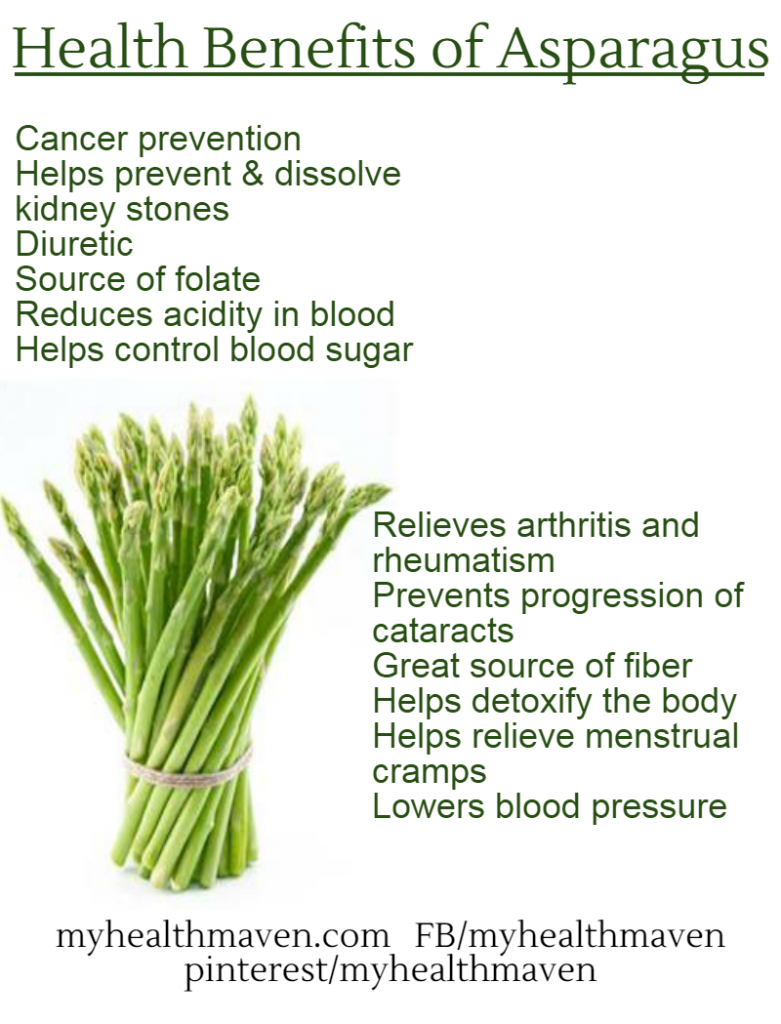
Asparagus, with its delicate, spear-like structure and vibrant green hue, often garners a modest reputation among vegetables. However, this perennial garden favorite is celebrated for its myriad health benefits that extend far beyond its culinary appeal. The fascination with asparagus lies not only in its unique flavor profile but also in the impressive array of nutrients it harbors. Here, we explore the top ten health benefits of this remarkable vegetable, shedding light on its nutritional potency and overall contribution to a healthier lifestyle.
1. Nutrient-Rich Profile
Asparagus stands out as a nutritional powerhouse, offering an impressive assortment of vitamins and minerals. It harbors significant amounts of Vitamin K, essential for bone health, and folate, which plays a crucial role in DNA synthesis and repair. Additionally, B vitamins and minerals such as potassium and iron enhance its profile further, making asparagus an excellent choice for those looking to enrich their diet with essential nutrients.
2. Antioxidant Properties
This vibrant vegetable is abundant in antioxidants, including vitamins A, C, and E, which play a pivotal role in combatting oxidative stress in the body. The presence of flavonoids and polyphenols compounds further reinforces asparagus’s reputation as a defender against cellular damage. Consequently, these antioxidants can contribute to a reduced risk of chronic diseases, including heart disease and certain cancers.
3. Digestive Health
Asparagus is a commendable source of dietary fiber, which is instrumental in promoting digestive health. The fiber content aids in regular bowel movements and supports a healthy gut microbiome. Additionally, asparagus contains inulin, a prebiotic that fosters beneficial gut bacteria. This potent duo contributes to improved digestion while potentially alleviating symptoms related to gastrointestinal disorders.
4. Weight Management
Low in calories yet high in essential nutrients, asparagus is an ideal inclusion for those pursuing weight management. Its high water content and fiber facilitate satiety, minimizing the likelihood of overeating. Incorporating asparagus into meals can help create satisfying dishes without excessive caloric intake, supporting both weight loss and maintenance efforts.
5. Heart Health
The heart-healthy benefits of asparagus cannot be overstated. The combination of potassium, fiber, and antioxidants work collaboratively to lower blood pressure, reduce cholesterol levels, and improve overall cardiovascular function. These attributes render asparagus a formidable ally in mitigating the risk of heart-related ailments, ensuring a robust circulatory system.
6. Anti-Inflammatory Effects
Chronic inflammation is widely considered a precursor to many ailments, including arthritis and metabolic syndrome. Asparagus boasts powerful anti-inflammatory properties, primarily due to its rich antioxidant content. Regular consumption can help modulate inflammatory markers in the body, providing a sense of relief for those afflicted by inflammatory conditions.
7. Bone Health
Asparagus’s noteworthy Vitamin K content plays a critical role in upholding bone density and health. This vitamin is fundamental in calcium metabolism, ensuring that bones remain strong and resilient. Incorporating asparagus into one’s diet can be a delicious method to fortify bone strength, particularly for those at risk of osteoporosis.
8. Support for Pregnancy
Expectant mothers can greatly benefit from the folate content in asparagus, essential for fetal development and reducing the risk of neural tube defects. Folate also aids in the synthesis of DNA and tissue growth. Including asparagus in the diet of pregnant women can provide crucial support during this significant phase, ensuring the healthy development of the child.
9. Blood Sugar Regulation
Asparagus is known for its ability to assist in managing blood sugar levels, primarily due to its low glycemic index and presence of dietary fiber. This makes it a suitable vegetable for individuals with diabetes or those looking to prevent insulin resistance. Regular consumption may contribute to improved glycemic control, enhancing energy levels throughout the day.
10. Mood-Enhancing Properties
The impact of diet on mental health is an evolving field, and asparagus emerges as a notable candidate in this narrative. The vegetable is rich in Vitamin B6, which is recognized for its role in synthesizing neurotransmitters such as serotonin and dopamine—hormones crucial for regulating mood and emotional well-being. Thus, incorporating asparagus into one’s diet may assist in combating feelings of anxiety and depression.
In conclusion, the intrinsic allure of asparagus extends far beyond its delicate texture and sophisticated taste. This vegetable is a treasure trove of health benefits, encompassing vital nutrients, antioxidants, and fiber that collectively support various bodily functions. Embracing asparagus in your dietary regimen not only adds a touch of elegance to your meals but can also pave the way toward enhanced health and vitality. As the layers of this nutritional gem unfold, it becomes increasingly clear why asparagus has mesmerized both culinary and health enthusiasts alike—heralding its rightful place in a balanced, health-conscientious lifestyle.
FAQ
What are the top health benefits of asparagus?
Asparagus provides antioxidants, supports digestion, aids in weight management, promotes heart and bone health, supports pregnancy, helps regulate blood sugar, and may improve mood.
How much asparagus should I eat to gain its health benefits?
Incorporating a serving of about 100 grams of cooked asparagus a few times per week can provide significant health benefits.
Is asparagus safe to eat during pregnancy?
Yes, asparagus is safe and beneficial during pregnancy due to its high folate content, which supports fetal development.
Does asparagus help with blood sugar control?
Yes, asparagus has a low glycemic index and contains fiber which helps regulate blood sugar levels.





Leave a Reply