
Short Answer
When it comes to the vast universe of Disney, the heroes often steal the limelight, basking in the glory of their triumphs and moral rectitude. Yet, lurking in the shadows are the Disney villains—figures that wield a unique charm with their cunning machinations and dark aesthetics. Perhaps it is their tragic backstories, their unmistakable flair, or simply the thrill of witnessing their thrillingly dark depictions that root them firmly in our memories. This article explores the top ten Disney villains who linger in our minds long after the credits roll, revealing insights into the equally alluring and repugnant qualities that make them unforgettable.
1. Maleficent (Sleeping Beauty)
Maleficent is the quintessential Disney villain, her presence a haunting reminder of betrayal. Cast in stark black and deep purple, her imposing silhouette captivates the audience. Her transformation into a dragon captures our imaginations, symbolizing the potent blend of rage and power. Rooted in a tale of unrequited revenge, Maleficent’s complexity reveals layers of grief and anger that transcend mere villainy, allowing viewers to empathize with her plight.
2. Scar (The Lion King)
Scar epitomizes the treachery of familial betrayal. His sinister ideology contrasts sharply with the noble values of the Pride Lands. With a calculated demeanor, he orchestrates his brother Mufasa’s demise, flaunting an unquenchable thirst for power. Scar’s sardonic wit, emphasized through his dialogue, presents a duality: he is as charming as he is malevolent. The use of shadows and stark color contrasts in the animation further accentuates his diabolical nature, embedding him deep within viewers’ memories.
3. Ursula (The Little Mermaid)
A cephalopod enchantress with formidable prowess, Ursula represents the archetype of cunning and manipulation. Her alluring voice is a deceptive façade that belies her sinister motivations. Serving as the embodiment of temptation, Ursula’s bargain with Ariel illustrates the perils of forsaking one’s true identity for allure. Her dynamic presence and the iconic “Poor Unfortunate Souls” number capture the essence of theatrical villainy, intertwining humor with a morally ambiguous worldview.
4. Hades (Hercules)
With a comedic edge that separates him from his doom-laden brethren, Hades is a figure defined by both levity and malice. His fiery blue hair and sardonic quips present a juxtaposition that is both entertaining and chilling. Hades embodies the chaotic nature of the underworld, showcasing a blend of cunning and charm that keeps audiences engaged. The whimsicality of his character and his seemingly relatable frustrations with the gods reveal deeper themes of ambition and envy.
5. Jafar (Aladdin)
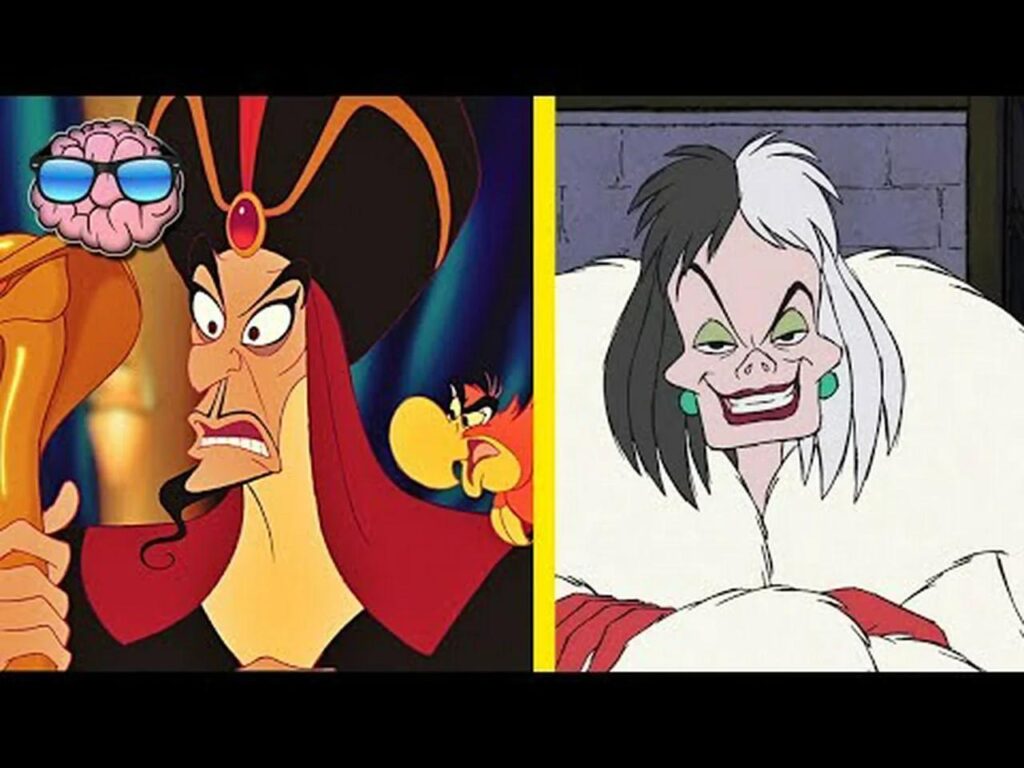
Jafar stands as a testament to the intoxicating allure of power. His serpentine visage coupled with a grandiose penchant for theatrics makes him unforgettable. Watching him manipulate Aladdin and Jasmine showcases his calculated nature and obsessive desire to claim dominion over Agrabah. Jafar’s complex relationship with the Genie adds layers to his character, intensifying the enigmatic nature of his ambition. His smoldering gaze and hypnotic charm, rendered through stunning animation, leave an indelible mark on the viewer’s psyche.
6. Wicked Witch of the West (Snow White)
As the epitome of jealousy and vanity, the Wicked Witch looms large over the landscape of Disney villains. Her sinister cackle and malevolent intentions create an aura of dread that is both timeless and compelling. Chasing her obsession with youth through Snow White’s demise, she embodies the darker aspects of beauty standards. This dichotomy of appearance versus reality offers valuable lessons regarding self-acceptance and the perils of insecurity.
7. Gaston (Beauty and the Beast)
Gaston may not possess magical powers or intimidating creatures at his command, but his raw arrogance and toxic masculinity render him unforgettable. His boisterous bravado and obsession with beauty mirror deeper societal issues surrounding vanity and entitlement. The contrast between Gaston’s surface-level charm and inner depravity serves as a critique of societal norms, inviting audiences to question the foundations of heroism and villainy.
8. Capt. Hook (Peter Pan)
Capt. Hook encapsulates the fear of aging and loss of youth, infused with whimsical charm. His swashbuckling antics are undercut by a palpable fear of the crocodile that haunts him, serving as a metaphor for inevitable mortality. Hook’s obsession with revenge against Peter Pan renders him a tragic figure, inviting sympathy amidst his malevolence. The interplay between his flamboyance and vulnerability makes Hook one of the more multifaceted villains in the Disney canon.
9. Lady Tremaine (Cinderella)
Lady Tremaine, or the wicked stepmother, embodies the archetype of jealousy and oppression. Through her callous treatment of Cinderella, she exemplifies the societal critique of fraught familial relationships. Void of magical powers, her cruelty is potent enough to instill fear and resentment. Her character serves as a stark reminder of the darker realities many face within domestic confines, encapsulating the struggle for autonomy and acceptance.
10. Syndrome (The Incredibles)
More than just a villain, Syndrome personifies the complex theme of the underdog turned antagonist. Full of resentment towards superheroes, he embodies the futility of envy and betrayal. By wielding technology over innate ability, he represents the societal struggles over recognition and validation. Syndrome’s cleverness, combined with a caustically ironic sense of humor, make him a poignant reflection on the dual nature of human ambition.
In conclusion, Disney villains often serve a greater purpose than merely providing opposition to the heroes. Through their multifaceted characters, each villain reveals significant societal, psychological, and emotional insights that resonate across generations. This captivating blend of charm and terror invites audiences to delve into the complexities of love, betrayal, ambition, and identity. The Disney villains listed above remain etched in our memories, not only as figures of fear but as embodiments of the conflicts and challenges intrinsic to the human experience. Their unforgettable presence urges us to embrace our complexities, illuminating the thin line between heroism and villainy.
FAQ
Who are some of the top Disney villains featured in the article?
The article highlights villains such as Maleficent, Scar, Ursula, Hades, Jafar, the Wicked Witch of the West, Gaston, Capt. Hook, Lady Tremaine, and Syndrome.
What themes do Disney villains often represent?
Disney villains often embody themes such as jealousy, betrayal, ambition, vanity, power, and the darker sides of human nature.
Why are Disney villains memorable to audiences?
They are memorable due to their complex personalities, compelling backstories, iconic appearances, and the emotional and psychological conflicts they present.




Leave a Reply