
Short Answer
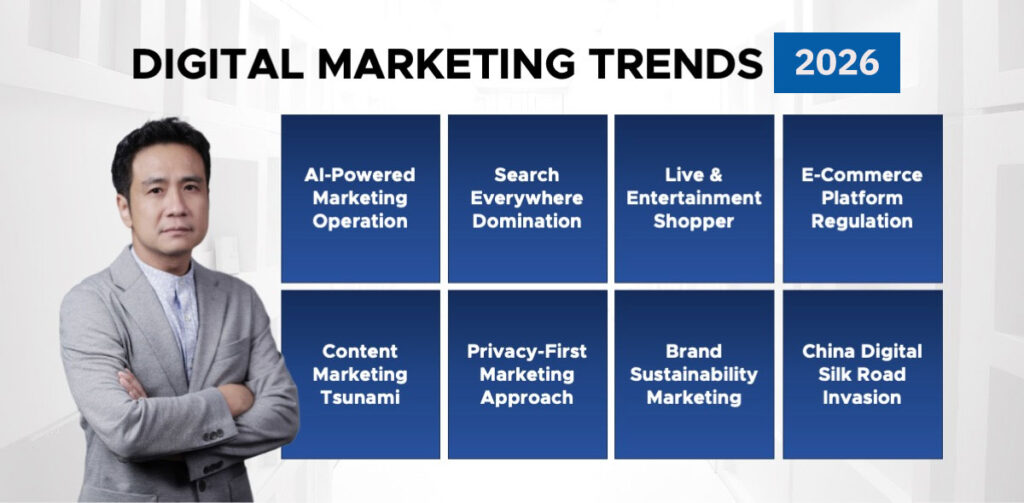
As the digital landscape evolves at an unprecedented pace, marketers find themselves ensnared in a labyrinth of trends, tools, and tactics. Anticipating the future is a careful blend of understanding consumer behavior, technological advancement, and societal shifts. For those poised to embrace the forthcoming changes in digital marketing, recognizing several key trends for 2026 is paramount. This article delves into the top 10 digital marketing trends expected to dominate the landscape, providing a comprehensive analysis of their implications and motivations.
1. Hyper-Personalization
As consumers become increasingly discerning, hyper-personalization emerges as a fundamental pillar of digital marketing strategies. Utilizing data analytics, artificial intelligence, and machine learning, marketers can craft individualized experiences that cater to specific preferences. Every touchpoint, from emails to product recommendations, becomes an opportunity for genuine connection. The drive toward hyper-personalization is rooted in consumer psychology; the deeper the connection, the greater consumer loyalty and retention.
2. Voice and Visual Search Optimization
With the proliferation of smart speakers and visual search tools, optimizing for voice and visual search is no longer optional. As technology advances, users are gravitating towards intuitive search methods, relying on conversational queries and image-based searches. This transformation encourages marketers to rethink their SEO strategies, focusing on natural language processing and rich multimedia content that enhances visibility. Such a shift not only facilitates engagement but aligns with a growing desire for immediate and succinct information.
3. Augmented Reality (AR) and Virtual Reality (VR) Integration
Augmented Reality and Virtual Reality offer an unparalleled canvas for immersive consumer experiences. In 2026, expect to see an upsurge in brands leveraging AR and VR for product demonstrations, virtual showrooms, and gamified experiences. The fascination with AR and VR arises from their ability to engage users in a visceral manner, shifting passive observation into active participation. Brands that invest in these technologies will likely create memorable interactions, ultimately influencing purchase decisions.
4. Sustainability and Ethical Marketing
As consumers become more environmentally conscious, sustainability and ethical marketing are not just trends—they are imperative. Brands that prioritize authenticity in their missions and showcase their commitment to sustainability resonate deeply with modern consumers. By transparently sharing their processes and sustainable practices, businesses can build trust and foster a strong brand identity rooted in ethical principles. This trend is indicative of a broader cultural shift, where purchasing decisions increasingly reflect personal values.
5. The Rise of Micro-Moments
Micro-moments—those brief instances when consumers turn to devices for immediate answers—are becoming critical touchpoints in the customer journey. Brands must remain agile, ready to provide value precisely when consumers need it. Understanding the context behind these moments enables marketers to deliver targeted content that piques interest and encourages engagement. This trend underscores the necessity for seamless user experiences that acknowledge the increasingly fragmented attention spans of consumers.
6. Artificial Intelligence-Driven Content Creation
The art of storytelling is being transformed by the rise of AI-driven content creation tools. As these platforms become more sophisticated, they can produce high-quality content tailored to specific audiences. This development raises questions about creativity and authenticity in marketing narratives. However, AI’s capability to analyze data and customize messaging swiftly entices marketers to embrace its potential. In 2026, expect a hybrid approach that combines human creativity with AI efficiency, generating compelling content that resonates deeply.
7. Interactive Content Experiences
The era of static content is waning, as interactive content experiences emerge as a means of engagement. Polls, quizzes, and interactive infographics invite users to actively participate, fostering deeper connections with the brand. Such techniques not only enhance user experience but also tap into the innate human desire for interactivity. Marketers who harness this trend can create memorable, engaging experiences that differentiate their offerings in a crowded marketplace.
8. Enhanced Privacy Regulations and Compliance
As digital consumers advocate for their privacy rights, compliance with regulations is becoming increasingly paramount. The introduction of stringent data protection laws necessitates that marketers prioritize transparency in their data practices. By cultivating trust through responsible data use and clearly communicating privacy measures, brands can foster long-term relationships with consumers. The overarching trend signals a shift toward ethical business practices that prioritize consumer security in an interconnected digital world.
9. 5G Connectivity Advancements
The advent of 5G networks is set to revolutionize digital marketing strategies, enabling lightning-fast download speeds and lag-free interactions. As mobile devices become the primary access point for online content, marketers can leverage 5G technology to deliver high-quality experiences such as augmented reality applications, video content, and live streaming events seamlessly. The implications of widespread 5G adoption extend beyond speed; they enhance engagement possibilities, creating a stimulating storytelling environment for brands.
10. Community-Driven Brand Engagement
In a world where authenticity reigns supreme, peer recommendations and community-driven engagement are more influential than ever. Brands that cultivate a sense of community around their products invite loyalty and foster a culture of advocacy. By engaging users on social media platforms and addressing their concerns, brands can create dialogues that not only generate trust but also enhance brand identity. This trend reflects a broader desire for belonging and connection, emphasizing the human element of commerce.
As we navigate the future of digital marketing, embracing these trends can facilitate a nuanced understanding of consumer desires and technological advancements. The interplay between consumer expectations and emerging technologies will shape marketing strategies, ultimately redefining the digital landscape in 2026 and beyond. By staying ahead of these trends, marketers not only position themselves for success but also cultivate relationships with consumers that resonate on a deeper level. With anticipation, the exploration of the digital frontier lies ahead, rich with opportunity and innovation.
FAQ
What are the key digital marketing trends for 2026?
Key trends include hyper-personalization, voice and visual search optimization, AR/VR integration, sustainability and ethical marketing, micro-moments, AI-driven content creation, interactive content, privacy regulations, 5G advancements, and community-driven brand engagement.
Why is hyper-personalization important in digital marketing?
Hyper-personalization allows marketers to create individualized experiences based on data and AI, increasing consumer loyalty and retention by making each interaction more relevant and engaging.
How does 5G connectivity impact digital marketing?
5G enables faster download speeds and seamless interactions, supporting advanced marketing tactics like high-quality video content, augmented reality applications, and live streaming, which enhance user engagement.
What role does AI play in content creation for marketing?
AI-driven tools can produce tailored, high-quality content efficiently, allowing marketers to blend human creativity with technology for more compelling storytelling.
How do privacy regulations affect digital marketing strategies?
Enhanced privacy laws require marketers to prioritize transparency and responsible data use, fostering consumer trust and compliance with legal standards.






Leave a Reply