
Short Answer
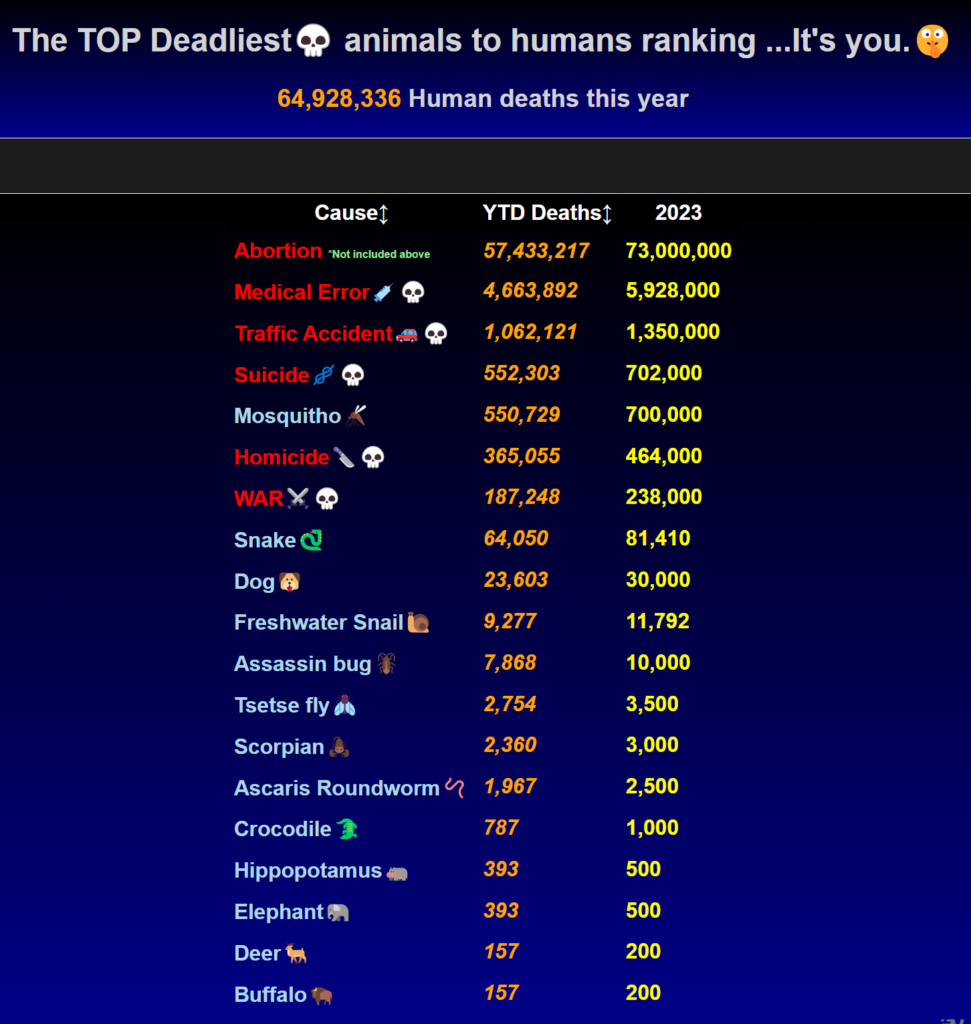
Throughout the annals of time, humans have coexisted with countless creatures, some of which pose a significant threat to life itself. While most of the animal kingdom is harmless, a select group stands out due to their lethal potential. These deadly beings command a mixture of fear and fascination, making us ponder the intricate balance of nature and our place within it. In this exploration of the top 10 deadliest animals that kill humans the most, prepare to challenge your perceptions and perhaps even reconsider your understanding of these creatures.
1. Mosquitoes
Surprising as it may seem, mosquitoes reign supreme as the deadliest animals on the planet. Responsible for approximately 725,000 deaths annually, these minuscule nuisances efficiently transmit diseases such as malaria, dengue fever, and Zika virus. They thrive in stagnant water, where they breed and proliferate, making their presence felt in tropical and subtropical regions. The true horror lies in their stealth; one painful bite is enough to unleash a torrent of life-threatening pathogens.
2. Humans
In an ironic twist, humans become the second deadliest animals, with estimates of over 400,000 deaths per year attributed to violence and conflict. From wars to homicides, our species has a propensity for aggression that leads to catastrophic consequences. This grim statistic serves as a critical reminder that human actions can be as perilous as the wildest beasts prowling the earth.
3. Snakes
With their stealthy movements and often venomous fangs, snakes account for around 100,000 human fatalities each year. The world is home to numerous species, some more lethal than others. The inland taipan, for instance, boasts venom powerful enough to kill 100 adult humans with just one bite. Encounters with snakes frequently occur in rural areas, where people venture into their habitats, unaware of the lurking dangers.
4. Dogs
While dogs are praised as loyal companions, they are also responsible for around 25,000 deaths annually, primarily due to rabies transmission. The disease takes hold in unvaccinated dogs, which then bite humans, leading to devastating consequences. In many developing nations, the lack of rabies vaccinations exacerbates the situation, turning man’s best friend into a potential harbinger of doom.
5. Tsetse Flies
These large, biting flies, often associated with the African savannas, are vectors of the lethal sleeping sickness (African trypanosomiasis). Approximately 10,000 deaths occur each year due to this disease, which can lead to severe neurological damage and death if left untreated. The tsetse fly’s role in spreading this insidious illness highlights the intertwining paths of wildlife and human health.
6. Freshwater Snails
Freshwater snails might appear innocuous, but these creatures are responsible for around 20,000 deaths annually due to schistosomiasis, a debilitating disease caused by parasitic worms. These snails harbor the larvae, which can burrow into human skin upon contact with contaminated water. The disease often inflicts long-term health issues, resulting in a silent yet deadly epidemic, particularly in impoverished regions.
7. Scorpions
These arachnids, often feared for their venomous stings, account for roughly 3,250 fatalities each year. Found mainly in tropical and subtropical regions, scorpions are usually encountered in arid environments where their nocturnal hunting habits can lead to accidental stings. For many, these tiny predators elicit a visceral response, but understanding their behavior can mitigate encounters and reduce fatalities.
8. Crocodiles
Crocodilians are not only ancient survivors but also formidable predators. Responsible for an estimated 1,000 human deaths annually, these ambush hunters lurk in waters, patiently awaiting the chance to strike. Their immense size, combined with a powerful bite, renders them top-tier hunters in their habitats. Encounters with humans, especially near rivers and lakes, can quickly escalate into deadly confrontations.
9. Hippopotamuses
Surprisingly, hippos are among the most dangerous animals in Africa, contributing to around 500 deaths each year. Known for their massive size and territorial nature, hippos can be incredibly aggressive when provoked. Often mistaken for docile giants, these creatures can gallop up to 30 km/h on land and possess powerful jaws capable of crushing boats—and bones alike—making them formidable in their habitats.
10. Box Jellyfish
In the enigmatic underworld of marine life, the box jellyfish emerges as one of the deadliest creatures, responsible for approximately 50 deaths annually. Its tentacles are lined with toxic cells capable of delivering excruciating pain and, in some cases, cause cardiac arrest within minutes. Stings often occur unexpectedly, rendering encounters with this ethereal being particularly horrifying for unsuspecting swimmers.
In reflecting upon these ten deadly animals, we are reminded that the natural world harbors both beauty and danger. Each creature plays a role in the complex tapestry of existence, reminding us of the delicate balance between life and death. Understanding and respecting these lethal beings can cultivate a heightened awareness, prompting us to coexist more harmoniously with the vibrant yet fierce world we inhabit. The next time you encounter one of these animals—or even hear their whispers in the wild—consider the profound relationships that weave through the ecosystem around us. Perhaps, armed with knowledge, we can evoke a sense of reverence where fear once reigned.
FAQ
Which animal is responsible for the most human deaths annually?
Mosquitoes are responsible for the most human deaths annually, with approximately 725,000 deaths due to disease transmission such as malaria and dengue fever.
Why are humans considered one of the deadliest animals?
Humans cause over 400,000 deaths per year through violence, wars, and conflicts, making them the second deadliest animal to humans.
What diseases do animals like mosquitoes and tsetse flies transmit?
Mosquitoes transmit malaria, dengue fever, and Zika virus, while tsetse flies spread sleeping sickness (African trypanosomiasis).
What precautions can reduce fatalities caused by these deadliest animals?
Precautions include vaccination (like rabies vaccines for dogs), avoiding high-risk habitats, using insect repellents, and public health measures to control disease vectors.





Leave a Reply