
Short Answer
Coffee is more than just a beverage; it is a global phenomenon that incites passion, fuels social interactions, and stimulates economies. The journey of coffee begins far from the café where one savors a hot cup. It starts in the fields of coffee-producing countries, where millions of farmers dedicate their lives to cultivating the perfect beans. In this article, we delve into the top ten coffee-exporting countries that dominate the global market, exploring the intricacies of their production processes, the variety of coffees they offer, and the economic impact they wield on the world stage.
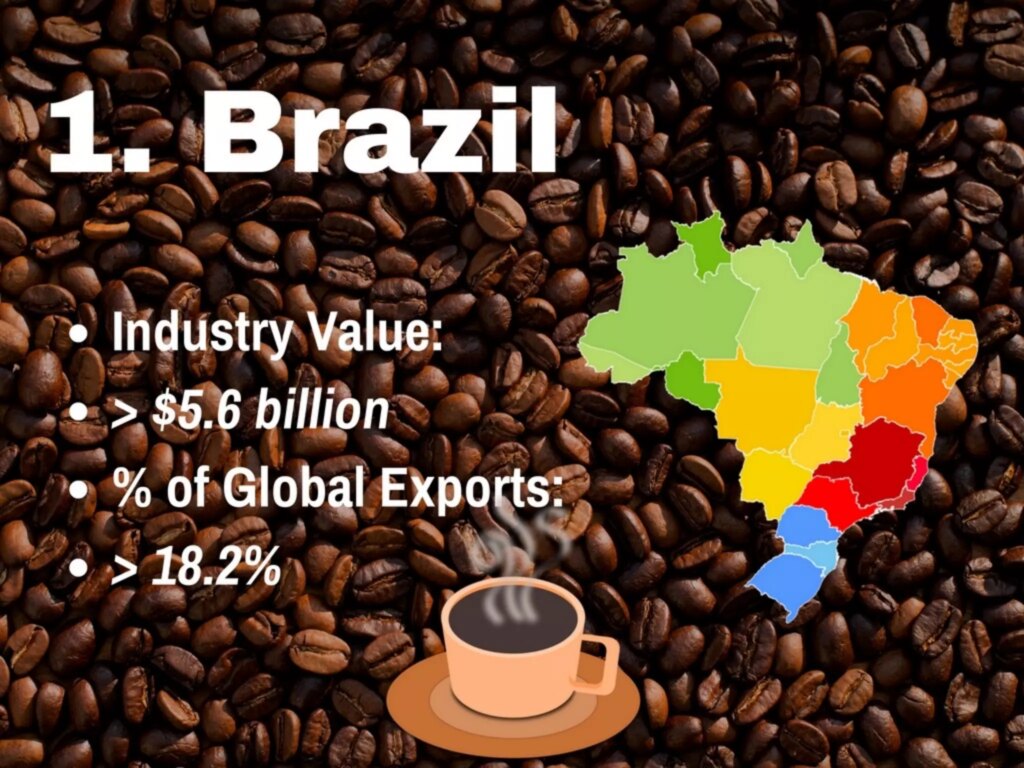
1. Brazil
Undoubtedly, Brazil holds the title of the largest coffee producer and exporter in the world. This South American giant cultivates both Arabica and Robusta beans, which thrive in its diverse climate and fertile soils. Brazilian coffee is characterized by its nutty and chocolatey flavors, often with a heavy body. The country’s well-established farming techniques and large-scale operations have allowed it to dominate coffee exports for over 150 years. With vast plantations in Minas Gerais, São Paulo, and Espírito Santo, Brazil contributes roughly one-third of the world’s total coffee supply.
2. Vietnam
Second only to Brazil, Vietnam has solidified its position as a powerhouse in coffee exports, particularly known for its robust Robusta variety. With its rich, earthy flavors and higher caffeine content, Vietnamese coffee has carved out a niche in the global market. The nation’s coffee industry has been revitalized since the 1980s, transforming it from a modest producer into a global leader. The high altitudes and favorable climate of the Central Highlands provide the ideal conditions for coffee cultivation, fostering an environment where quality thrives.
3. Colombia
Colombia is globally recognized for its premium Arabica coffee, which is often deemed the gold standard in coffee quality. The country’s lush landscapes, significant rainfall, and diverse altitudinal ranges contribute to the unique flavor profiles of Colombian coffee, which often features bright acidity and floral notes. The Federación Nacional de Cafeteros (National Coffee Federation) plays a crucial role in supporting local farmers and promoting the heritage of Colombian coffee on the international stage. Coffee is not just an economic commodity; it is a cultural staple ingrained in the identity of Colombia.
4. Ethiopia
As the birthplace of coffee, Ethiopia holds profound significance in the world coffee narrative. Known for its diverse genetic coffee varieties, Ethiopian coffee boasts a wide range of flavors, from fruity and floral to wine-like. The country primarily produces Arabica beans, and its unique growing conditions, characterized by varied altitudes and rich soil, yield some of the most sought-after coffees globally. Ethiopian coffee is often categorized by regions, such as Yirgacheffe and Sidamo, each contributing distinct flavor profiles, enhancing its appeal.
5. Honduras
Having propelled itself into the top five coffee exporters, Honduras enjoys a burgeoning reputation for producing high-quality Arabica beans. The country’s mountainous terrain provides excellent conditions for coffee cultivation, enabling farmers to grow beans with exquisite flavors. Increased focus on sustainable farming practices and fair trade initiatives has improved the quality and marketability of Honduran coffee. With cooperative farming models gaining traction, smallholder farmers stand to benefit, ensuring a fair share of the profits in this competitive market.
6. Peru
Peru might not be as widely recognized as other coffee giants, but it has been steadily rising through the ranks of coffee exporters. The country produces primarily Arabica beans, known for their sweet and mild flavor profiles with bright acidity. The emphasis on organic coffee production has helped enhance Peru’s visibility in international markets, appealing especially to conscious consumers. Peruvian coffee farmers prioritize sustainable practices, contributing to the preservation of biodiversity and the health of local communities.
7. Guatemala
Guatemala’s coffee is celebrated for its rich, full-bodied flavors and distinct acidity. The country boasts several coffee-growing regions, each with its unique environmental factors. Regions like Antigua and Huehuetenango are renowned for producing beans that are both complex and nuanced, often featuring chocolatey and spicy notes. The emphasis on quality over quantity has firmly placed Guatemalan coffee on the global stage and fostered a dedicated group of coffee aficionados who appreciate its intricacies.
8. Mexico
Mexico is particularly noted for its organic and shade-grown coffee production. The Chiapas region, in particular, is lauded for its high-quality beans, often recognized for their mild flavor with subtle nuances of nut and chocolate. Mexican coffee plays a vital role in the economy, supporting thousands of smallholder farmers who adhere to environmentally friendly practices. Fair trade and direct trade models have become increasingly prominent, enhancing the lives of cultivators and promoting quality enhancement.
9. Costa Rica
Costa Rica’s commitment to quality coffee production is legendary. The country typically grows Arabica beans, which are held to high standards set forth by national regulations. Coffee cultivated in regions like Tarrazú and Central Valley boasts bright acidity and full-bodied flavors that are cherished by coffee lovers around the world. Costa Rican coffee’s reputation for excellence is bolstered by initiatives aimed at supporting sustainable farming and the improvement of fair trade practices, ensuring that the growers receive a fair price for their labor.
10. Uganda
Uganda, primarily known for its Robusta coffee, has gradually gained recognition for its unique coffee offerings. The country’s coffee is often characterized by its strong and distinctive flavor, making it a favorite in the specialty coffee sector. With a majority of coffee grown in the western regions of the country, initiatives are being implemented to improve quality and value, thus enhancing Uganda’s standing in the global market. Promoting local consumption alongside international sales has fostered a vibrant coffee culture within Uganda itself.
In conclusion, the world of coffee exportation is as rich and diverse as the flavors it offers. The countries highlighted in this article not only shape the global coffee landscape but also play a pivotal role in the livelihoods of millions. As consumers become more discerning and conscious about quality and sustainability, the practices upheld by these nations will evolve, driven by the ever-changing dynamics of the global coffee market. In the end, each cup of coffee serves as a reminder of the intricate journey and cultural significance tied to the humble coffee bean.
FAQ
Which country is the largest coffee exporter in the world?
Brazil is the largest coffee exporter globally, contributing roughly one-third of the world's total coffee supply.
What types of coffee beans are most commonly exported?
Arabica and Robusta are the two primary types of coffee beans exported by the top coffee-producing countries.
How does sustainability impact coffee production in these countries?
Many top coffee-exporting countries emphasize sustainable farming and fair trade practices to improve quality, support farmers, and protect the environment.
Why is Ethiopian coffee significant in the global market?
Ethiopia is the birthplace of coffee and produces diverse Arabica varieties with unique flavor profiles that are highly sought after worldwide.
What role do cooperatives and federations play in coffee exporting countries?
Organizations like Colombia's Federación Nacional de Cafeteros support farmers through quality improvement, marketing, and fair trade initiatives.





Leave a Reply