
Short Answer
In an age where vehicular technology continuously evolves, car safety features play an instrumental role in safeguarding lives. The fascinating advancement in automotive safety equipment stems from a collective pursuit for perfection—an innate human endeavor to engineer solutions that mitigate risk and promote security on the road. Herein lies an exploration of the top ten car safety features that have been pivotal in saving lives, shedding light on their functionalities and underlying significance.
1. Advanced Driver Assistance Systems (ADAS)
At the forefront of vehicular safety, Advanced Driver Assistance Systems incorporate a suite of technologies designed to augment human capabilities and enhance situational awareness. Features like lane-keeping assist, adaptive cruise control, and automated emergency braking are paramount in preventing collisions through real-time monitoring and intervention. These intelligent systems digest an abundance of data, translating it into swift corrective measures that dramatically reduce the likelihood of accidents.
2. Electronic Stability Control (ESC)
Electronic Stability Control acts as an electronic guardian, crucial when a vehicle begins to skid or veer off course. By automatically detecting a loss of traction, ESC applies brakes to individual wheels, guiding the car back on its intended trajectory. This ability not only helps in regaining control during adverse conditions but also drastically reduces the risk of rollovers, a common cause of serious injuries.
3. Anti-lock Braking System (ABS)
While it may seem deceptively simple, the Anti-lock Braking System profoundly transforms the way veering vehicles respond to braking. By preventing the wheels from locking up, ABS allows drivers to maintain steering control during hard stops, significantly decreasing stopping distances on slick roads. This feature is an essential element in the toolbox of modern vehicles, especially in inclement weather.
4. Airbags
Airbags have become synonymous with vehicle safety, acting as vital cushions during catastrophic impacts. From front airbags to side-curtain deployables, these devices are engineered to engage promptly, enveloping occupants in a protective barrier. The evolution of airbag technology includes adaptive systems that adjust deployment based on crash severity and occupant size, showcasing the depth of innovation that continues to prioritize human safety.
5. Rearview Cameras
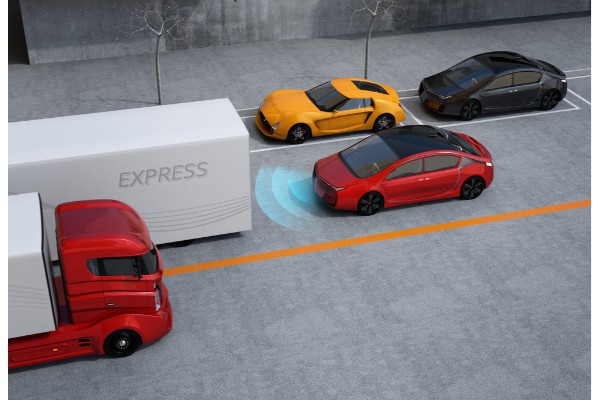
Rearview cameras have revolutionized the way drivers navigate tight spaces and parking scenarios. By providing a clear view of the area directly behind the vehicle, these cameras significantly mitigate blind spots. These visual aids have been linked directly to a reduction in backover accidents, particularly involving children and pets, enhancing overall vehicular safety.
6. Blind Spot Monitoring (BSM)
Blind Spot Monitoring systems serve as the second set of eyes on the road, offering auditory or visual alerts when vehicles approach from behind or beside. This technology can counter the perils of lane changes by illuminating potential threats that a driver might overlook. As roadways become increasingly congested, BSMs are invaluable in preventing lateral collisions and encouraging safer driving practices.
7. Automatic Emergency Braking (AEB)
Automatic Emergency Braking epitomizes the finest in proactive safety features. By constantly scanning the road ahead using sensors and cameras, AEB can recognize imminent collisions and apply the brakes autonomously if the driver fails to respond in time. This life-saving technology not only minimizes the damage sustained during an accident but has proven effective in reducing accident frequency in numerous studies.
8. Tire Pressure Monitoring System (TPMS)
A seemingly innocuous yet critical safety feature, the Tire Pressure Monitoring System alerts drivers to significant drops in tire pressure, which can lead to blowouts or diminished traction. Regular tire maintenance can often be overlooked, but the TPMS ensures that drivers receive real-time feedback about their tires’ status, fostering proactive measures and promoting safer travel conditions.
9. Crumple Zones
Crumple zones represent a fascinating intersection of engineering and safety philosophy. These areas of a vehicle are specifically designed to deform in a controlled manner upon impact, absorbing and dissipating energy rather than transmitting it directly to occupants. This strategic engineering minimizes injury in high-speed collisions and reflects an intentional design ethos centered on passenger protection.
10. Adaptive Headlights
Adaptive headlights illuminate the road ahead with unprecedented precision. By adjusting the direction and intensity of the light beam, they significantly improve visibility around curves and during adverse weather conditions. This feature not only enhances nighttime driving safety but also allows drivers to perceive hazards sooner, thereby reducing reaction times in critical situations.
As the automotive landscape becomes increasingly intertwined with technology, the car safety features listed above exemplify a profound commitment to human welfare on the road. Each innovation underscores a relentless pursuit to mitigate risks, ultimately creating an environment where safety and mobility coexist harmoniously. As drivers become more adept at harnessing these advancements, the road ahead promises to be not only safer but also more reassuring—a testament to humanity’s continual quest for innovation and security.
FAQ
What are the most important car safety features?
The most important car safety features include Advanced Driver Assistance Systems (ADAS), Electronic Stability Control (ESC), Anti-lock Braking System (ABS), airbags, rearview cameras, blind spot monitoring, automatic emergency braking, tire pressure monitoring systems, crumple zones, and adaptive headlights.
How do Advanced Driver Assistance Systems improve safety?
Advanced Driver Assistance Systems improve safety by using sensors and cameras to monitor the vehicle’s surroundings and assist the driver with functions like lane keeping, adaptive cruise control, and emergency braking to prevent collisions.
Why is Electronic Stability Control important?
Electronic Stability Control helps prevent vehicle skidding or rollovers by detecting loss of traction and automatically applying brakes to individual wheels to keep the vehicle on its intended path.
How do airbags protect passengers?
Airbags deploy upon impact to provide a cushioning barrier that significantly reduces injury by absorbing the force of collisions and protecting occupants from direct contact with hard surfaces.
What role do rearview cameras play in vehicle safety?
Rearview cameras reduce blind spots behind the vehicle, helping drivers to better navigate parking and reversing maneuvers, thus lowering the risk of backover accidents.






Leave a Reply