
Short Answer
Spiders are enigmatic creatures that evoke fascination and fear in equal measure. Most play a crucial role in sustaining ecosystem balance, yet some possess venom potent enough to pose a significant threat to human life. Are you ready to explore the world of the most venomous spiders? Prepare yourself to confront ten of nature’s most formidable arachnids, each equipped with lethal capabilities. This guide unveils the deadly bites of these eight-legged predators and invites you to ponder—could you identify these spiders if you stumbled upon one?
Without further ado, let’s delve into this captivating yet chilling realm!
1. Sydney Funnel-Web Spider
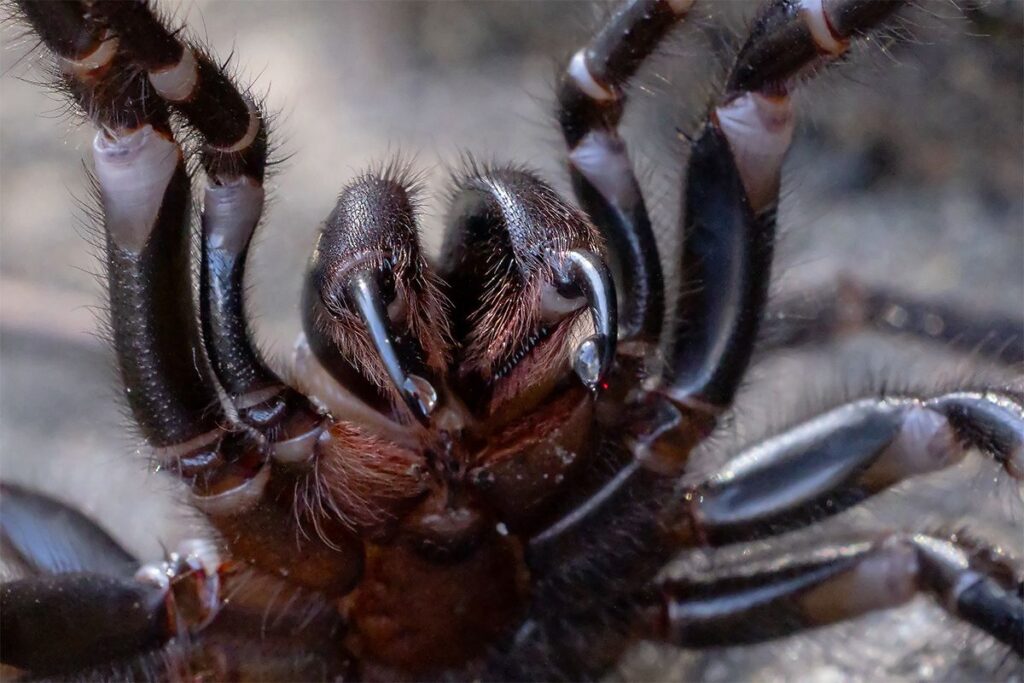
A native to Australia, particularly known for its aggressive temperament, the Sydney funnel-web spider (Atrax robustus) reigns at the top of this list. Its venom contains a potent toxin that can cause severe neurological effects in humans. The bite can result in a range of symptoms, from rapturous pain to neurotoxic effects that may be fatal without prompt medical intervention. What adds to its treachery is the spider’s propensity to be found in urban gardens and parks, making encounters alarmingly common.
2. Brazilian Wandering Spider
Hailing from the rainforests of South America, the Brazilian wandering spider (Phoneutria spp.) embodies both beauty and danger. Known for its notorious aggression and swift movements, it has earned the title of the world’s most venomous spider. Its venom, rich in toxins, delivers an excruciating bite that can induce priapism—a condition that can lead to impotence. Males, in particular, should tread carefully; just one bite can spell trouble both physically and mentally.
3. Black Widow Spider
The infamous black widow spider (Latrodectus mactans) is easily recognizable by its glossy black body and distinctive red hourglass marking. With venom that contains latrotoxin, its bite can cause severe muscle pain, cramps, and, in some cases, cardiac issues. While fatalities are rare with modern antivenom treatments, each bite poses a significant threat to children and the elderly, making awareness a crucial defense strategy.
4. Brown Recluse Spider
Often found in the southern and central United States, the brown recluse spider (Loxosceles reclusa) prefers secluded environments, which makes it easy to overlook. Its venom can cause a necrotizing lesion, leading to severe tissue damage. The initial bite may go unnoticed, but as symptoms escalate—manifesting as fever, chills, and lethargy—the spider’s lethality becomes astoundingly evident. Patients are often faced with unfortunate surgeries to remove affected tissue.
5. Yellow Sac Spider
Tiny yet formidable, the yellow sac spider (Cheiracanthium spp.) can easily be confused with other less dangerous relatives. However, its bite is not to be trifled with. Characterized by a burning sensation, it can cause localized necrosis akin to that of its brown recluse cousin. Their nocturnal hunts and frequent habitation of human dwellings can lead to encounters that leave one on high alert.
6. Chilean Recluse Spider
Emerging from the vibrant landscapes of South America, the Chilean recluse spider (Loxosceles laeta) stands out due to its marked aggression, akin to its North American relative. The bite is similarly venomous and can cause systemic reactions, including skin necrosis and in rare cases, hemolysis. Given its increasing presence in urban environments, awareness of this spider is essential for safety in its native region.
7. Redback Spider
Closely related to the black widow, the redback spider (Latrodectus hasselti) is another Australian arachnid that’s notoriously venomous. Its bite leads to severe pain and systemic symptoms that can progress to severe illness if left untreated. The redback was notoriously responsible for various fatalities before the introduction of an effective antivenom. Today, timely medical attention can thwart disastrous outcomes.
8. Six-Eyed Sand Spider
Natives of southern Africa, six-eyed sand spiders (Sicarius spp.) thrive in arid habitats and are masters of camouflage. Their venom is remarkably potent, causing extensive tissue necrosis. Bites can lead to systemic symptoms that may not present initially, making them particularly insidious. Quick identification and treatment are paramount in the event of an encounter, as symptoms can escalate alarmingly without warning.
9. Funnel-Web Spider
Not to be confused with the Sydney variant, the general funnel-web spider (Agelenidae family) presents its own blend of risks. While not as dangerous as its Australian counterpart, certain species within this family can deliver painful bites that lead to allergic reactions or localized symptoms. Their webs are often found in gardens, where unwitting encounters can occur, fostering an aura of caution among outdoor enthusiasts.
10. Hobo Spider
Originating from Europe but now prevalent in North America, the hobo spider (Tegenaria agrestis) has been implicated in numerous bites leading to necrotizing lesions. While the severity of its venom has been debated, the spider’s affinity for dark, moist areas makes it an unwelcome guest in many households. Early medical intervention is recommended if bitten to mitigate lingering damage.
As we conclude our exploration of these formidable predators, one might wonder—how much do you really know about your environment? Could you recognize a venomous spider if you encountered one? Understanding these characteristics may not only save you from a painful bite but also enhance your respect for the fascinating yet dangerous world of spiders. Embark on this challenge and familiarize yourself with these remarkable arachnids!”
FAQ
What makes these spiders venomous?
These spiders produce venom containing toxins that can cause severe physiological effects such as neurotoxicity, necrosis, and systemic illness in humans.
Are all spider bites dangerous?
No, most spiders are harmless to humans. Only a few species have venom potent enough to cause serious medical issues.
Can venomous spiders be found in urban areas?
Yes, some species like the Sydney funnel-web and yellow sac spider are often found in gardens and homes, increasing chances of human encounters.
How can I avoid spider bites?
Avoid touching or disturbing spiders, wear protective clothing in areas where venomous spiders are common, and keep living spaces clean and free of spider webs.





Leave a Reply