
Short Answer
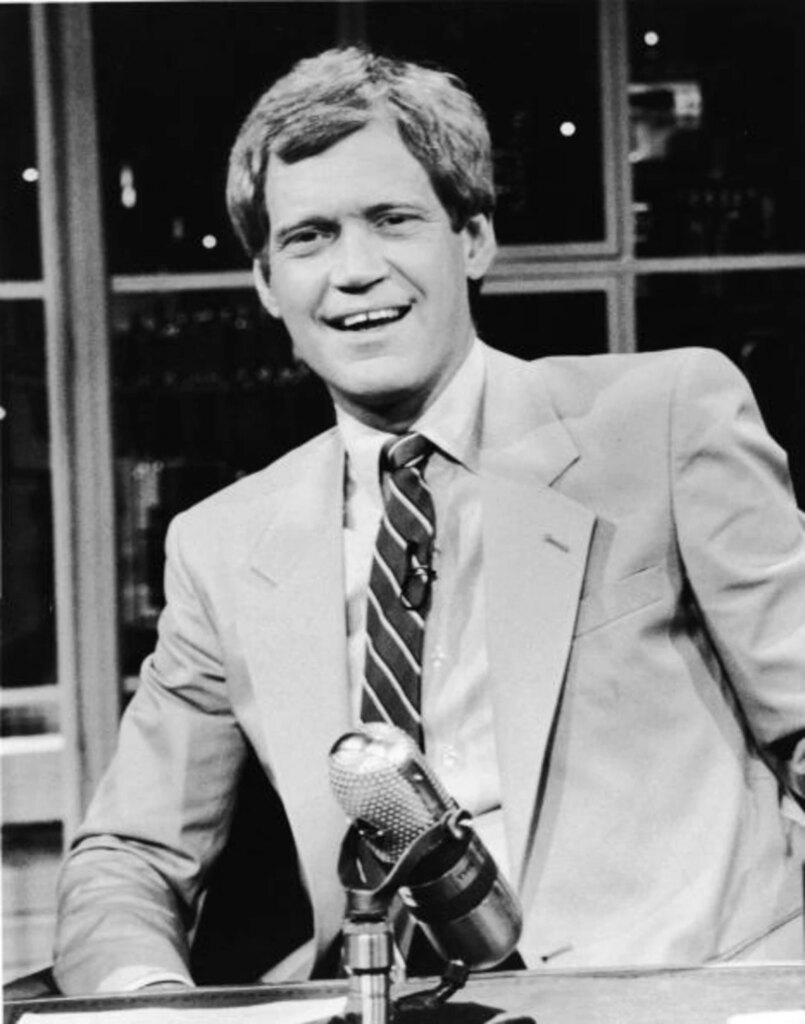
David Letterman, a titan in the realm of late-night television, pioneered a format that combined wit, humor, and insightful commentary. Among his many contributions to entertainment, the iconic “Top 10 Lists” stand out as a hallmark of his unique style. With an imaginative blend of absurdity and insight, these lists were not only humorous but also reflective of cultural trends. This article delves into some of the funniest moments from Letterman’s Top 10 Lists, revealing the art behind their creation and the reasons for their enduring appeal.
1. The Irresistible Allure of Lists
There is something inherently captivating about lists. Humans are naturally inclined to categorize and rank experiences, making the format appealing. Letterman’s Top 10 Lists embraced this proclivity, often presenting absurd yet relatable topics, from the serious to the downright ridiculous. They provided a framework that allowed viewers to appreciate humor while engaging with everyday observations, making them more than mere entertainment.
2. Cultural Commentary
Among the whimsical entries, Letterman’s lists often served as sharp social commentary. For instance, one memorable list titled “Top 10 Signs You’re a Bad Driver” humorously critiqued common driving faux pas, highlighting societal frustrations with a lighthearted touch. This duality—combining humor with astute observations—kept audiences coming back for more, showcasing how comedy can illuminate shared experiences.
3. The Syllogism of Absurdity
One of Letterman’s genius strokes was his knack for absurdity. Consider the list “Top 10 Ways to Become a Successful Criminal.” In typical Letterman fashion, it was a brilliant juxtaposition of morality and mischief. Through the lens of exaggerated humor, each point provoked laughter while simultaneously questioning the ethics behind criminality. This format allowed audiences to revel in the outrageous while challenging their perceptions of right and wrong.
4. Celebrity Roasting
Another recurring theme was Letterman’s playful yet incisive celebrity roasting. The list entitled “Top 10 Reasons to Be a Celebrity” encompassed hilariously preposterous notions like “You don’t have to pay for valet parking” alongside genuinely poignant insights into the pressures of fame. This blend of the ridiculous and the real not only served to entertain but also humanized the celebrities, presenting them as figures behind the glitz and glam.
5. The Element of Surprise
Letterman often incorporated the element of surprise in his lists, luring audiences into a comfortable rhythm before introducing a curveball. The “Top 10 Reasons to Watch the Tonight Show” astutely poked fun at his late-night rival, revealing an unexpected competitive spirit. This sense of unpredictability kept viewers on their toes, eager to hear what absurdities would come next.
6. The Role of Performance
Beyond the words on the screen, the performance of the lists was equally compelling. The enthusiastic reactions of the studio audience often amplified the humor. Letterman’s delivery, characterized by a dry wit and impeccable timing, was crucial in enhancing the comedic impact. The interplay of visual and verbal elements breathed life into what could have been simply a list of points, making it a multi-sensory experience.
7. Memorable Guest Appearances
Many Top 10 Lists featured guest stars, which added an exciting layer to the pieces. One unforgettable moment occurred when Oprah Winfrey appeared for a list dedicated to her show. Her playful participation highlighted the camaraderie and rapport between Letterman and his guests, often blurring the lines between scripted comedy and genuine interactions. This authenticity resonated with viewers, who adored seeing their favorite celebrities in unexpected roles.
8. Timeliness and Relevance
The brilliance of Letterman’s lists lay in their ability to resonate with contemporary societal issues. His list, “Top 10 Best Things About Having a Bad Economy,” cleverly addressed financial woes while eliciting laughter. This relevance anchored his humor in the real world, providing comic relief in turbulent times. Viewers appreciated that Letterman could vocalize their frustrations in a manner that was both engaging and lighthearted.
9. Audience Participation
Throughout the years, Letterman involved viewers in the creation of his lists, creating a sense of community and shared experience. By encouraging audience members to submit their ideas, he fostered deeper connections and implicated the public in his comedic universe. This participatory approach mirrored the collective experiences of American culture, allowing people to see themselves reflected in the humor.
10. A Legacy of Laughter
Today, Letterman’s Top 10 Lists remain a testament to the enduring power of humor in contemporary media. They encapsulate the marriage of entertainment and reflection, appealing to a diverse audience that transcends generational divides. As viewers reminisce and continue to share these moments, it becomes clear that laughter—especially that inspired by Letterman—is a valuable aspect of the human experience.
In conclusion, David Letterman’s Top 10 Lists not only entertained but also provided a lens through which to view society. His unique format, combined with astute observations and a flair for the absurd, carved a niche in the annals of late-night television. They remind us of the importance of humor in negotiating life’s complexities, turning the mundane into moments of joyful reflection and laughter.
FAQ
What are David Letterman's Top 10 Lists?
David Letterman's Top 10 Lists are comedic segments featuring humorous and often absurd ranked lists presented during his late-night television shows.
Why were these lists popular?
They combined wit, cultural commentary, and surprise elements, engaging audiences with humor and relatable observations.
Did celebrities participate in the Top 10 Lists?
Yes, many lists featured guest stars who added humor and authenticity to the segments.
How did the audience contribute to the lists?
Audience members were often invited to submit ideas, creating a shared comedic experience.
What impact did the Top 10 Lists have on television?
They established a lasting comedic format that influenced late-night television and popular culture.






Leave a Reply