

Short Answer
Poland, a country steeped in rich history and vibrant culture, offers a cornucopia of culinary delights waiting to be discovered. Traditional Polish cuisine is characterized by hearty ingredients and bold flavors that embody generations of cultural influences. From savory dumplings to sweet pastries, each dish tells a story that reflects the nation’s heritage. If you find yourself in Poland or at a Polish restaurant, here are the top ten Polish foods that you must try at least once to truly appreciate the richness of this remarkable cuisine.
1. Pierogi
No culinary journey in Poland is complete without tasting pierogi, a beloved staple that has won the hearts (and stomachs) of many. These delectable dumplings can be stuffed with a variety of fillings, including mashed potatoes, cheese, sauerkraut, mushrooms, or even fruit for dessert versions. Typically boiled and then pan-fried for a crispy texture, pierogi are often served with a dollop of sour cream, enhancing their delightful flavors. Each region boasts its own variations, making them an endlessly versatile and comforting dish.
2. Bigos
Bigos, often referred to as “hunter’s stew,” is a hearty concoction that showcases the flavors of the Polish countryside. Made with a base of fermented sauerkraut and fresh cabbage, this dish often includes various meats such as pork, beef, or sausage, along with an array of spices that create a pungent yet inviting aroma. Simmered for hours, bigos is a dish that improves with age, making it a popular choice for gatherings and celebrations. It’s a significant representation of the resourcefulness of Polish cooks, traditionally prepared with whatever ingredients were on hand.
3. Żurek
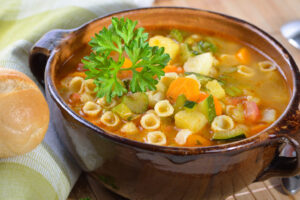
This iconic Polish soup is a treasure trove of flavors and history. Żurek is made from fermented rye flour, giving it a distinctive tangy flavor. Commonly enjoyed with sausage, hard-boiled eggs, and occasionally potatoes, this soup is particularly popular during Easter but is savored year-round. The unique taste of żurek reflects Poland’s agricultural roots and the importance of fermentation in its culinary tradition. It’s a must-try for anyone wanting to explore the depth of Polish flavors.
4. Gołąbki
Gołąbki, or stuffed cabbage rolls, are a comforting dish that embodies Polish home cooking. Tender cabbage leaves are filled with a savory mixture of ground meat and rice, then simmered in a rich tomato or mushroom sauce. This dish epitomizes warmth and hospitality, commonly served during family gatherings and holidays. The tender cabbage enveloping the flavorful filling creates a delightful culinary experience that is both nourishing and satisfying.
5. Placki Ziemniaczane
For those who adore potatoes, placki ziemniaczane, or potato pancakes, are an irresistible delight. These crispy, golden-brown patties are made from grated potatoes mixed with onions and flour, then pan-fried to perfection. Often served with apple sauce or sour cream, they offer a beautiful blend of savory and sweet, resulting in a dish that is both simple and scrumptious. Placki are not just a meal; they carry the comfort of childhood memories for many Polish families.
6. Sernik
Dessert lovers will delight in sernik, a creamy cheesecake that is a staple in Polish patisseries. Made from twaróg, a type of farmer’s cheese, this cheesecake is often flavored with vanilla, lemon zest, or chocolate. The texture is velvety, with a tanginess that sets it apart from its lighter counterparts. Traditionally baked and sometimes topped with fruit preserves or a chocolate glaze, sernik is a culinary masterpiece that highlights the Polish affinity for rich, indulgent desserts.
7. Barszcz
Barszcz, a beetroot soup, showcases the vibrant colors of Polish cuisine while embodying its hearty spirit. This ruby-red soup is commonly served hot or cold, depending on the season, and is typically accompanied by sour cream and fresh herbs. In its borscht form, it may contain dumplings or beans, providing added flavor and texture. Barszcz represents the ingenuity of Polish cooks who have celebrated the humble beet through centuries, transforming it into an exquisite culinary experience.
8. Oscypek
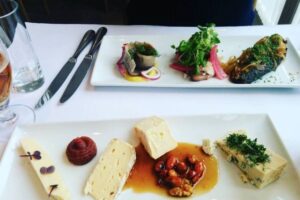
Oscypek is a smoked cheese that hails from the Tatra Mountains and is a testament to Poland’s artisanal cheese-making tradition. Crafted from sheep’s milk, this unique cheese has a distinctive flavor that combines smoky notes with a creamy texture. Often enjoyed grilled or fried, oscypek is commonly served with cranberry sauce, creating a delicious contrast of flavors. This delicacy captures the essence of Polish mountain cuisine and is a must for cheese enthusiasts.
9. Kopytka
Kopytka, also known as potato dumplings, are another beloved dish in Polish cuisine. These soft, pillowy dumplings are made from potatoes, flour, and eggs, often served as an accompaniment to richer dishes such as stews or sauces. Kopytka can also be prepared with a variety of sauces—be it mushroom, meat, or even simple melted butter—and provide an easy yet flavorful addition to any meal. They embody the perfect comfort food for any season.
10. Makowiec
To conclude your culinary adventure, indulge in makowiec, a delightful poppy seed roll that embodies the festive spirit of Polish celebrations. This yeasty pastry is filled with a sweet mixture of ground poppy seeds, nuts, raisins, and sometimes a hint of citrus zest. Traditionally served during Christmas and Easter, makowiec is a symbol of good fortune and prosperity. Its intricate layers and delectable flavors make it a perfect treat to savor alongside a cup of coffee or tea.
In summary, Polish cuisine is a sumptuous tapestry of flavors, textures, and traditions that deserves a special place in the culinary world. Each dish offers a glimpse into the heart of Polish culture, celebrating both its history and its contemporary expressions. From savory delights like pierogi and bigos to sweet indulgences like makowiec and sernik, the culinary treasures of Poland are sure to inspire and satisfy food lovers everywhere. Whether you’re in Poland or exploring a local Polish eatery, these ten dishes provide an essential introduction to a cuisine rich in flavor and history.
FAQ
What are pierogi?
Pierogi are Polish dumplings filled with ingredients like mashed potatoes, cheese, sauerkraut, or fruit, typically boiled and then pan-fried, served with sour cream.
What is bigos?
Bigos is a traditional Polish hunter's stew made from sauerkraut, fresh cabbage, various meats, and spices, simmered for several hours.
What is unique about Polish żurek soup?
Żurek is a sour rye flour fermented soup often served with sausage, hard-boiled eggs, and is popular during Easter.



Leave a Reply