
Short Answer
When it comes to the enigmatic world of arachnids, few classifications ignite fear and fascination quite like venomous spiders. These eight-legged creatures wield powerful neurotoxins that can affect their prey—and, in some cases, humans. While the majority of spiders are harmless, a select few have evolved to be both strikingly beautiful and remarkably dangerous. This article delves into the top ten most venomous spiders on Earth, exploring their habitats, characteristics, and the unique attributes that make them notorious in the animal kingdom.
1. Sydney Funnel-Web Spider (Atrax robustus)
Natively dwelling in the moist, wooded areas of southeastern Australia, the Sydney Funnel-Web Spider is legendary not only for its potent venom but also for its defensive aggressiveness. A bite from a male can cause severe neurological symptoms, and untreated individuals can face fatal outcomes. This spider’s distinct funnel-shaped web, often situated in moist landscapes, serves both as a trap for unsuspecting prey and a refuge from predators. With glossy black bodies and large fangs, these spiders invoke a sense of morbid intrigue.
2. Brazilian Wandering Spider (Phoneutria spp.)
Known for its erratic lifestyle and potent venom, the Brazilian Wandering Spider reigns supreme in tropical regions across South America. Eager to escape the heat, this spider often seeks refuge in shoes and clothing, making encounters with humans not uncommon. Its venom has been documented as capable of inducing priapism and severe pain. While fatalities are rare due to advances in medical treatment, the specter of this spider’s bite remains a topic of societal anxiety.
3. Black Widow Spider (Latrodectus mactans)
The notorious Black Widow Spider, easily identified by the red hourglass marking on its abdomen, is encountered throughout North America. Though its bite is rarely fatal thanks to modern medical interventions, it can cause severe muscle pain and systemic reactions. Preferring dark, secluded spaces such as woodpiles or attics, this spider is often the subject of myths and cautionary tales, symbolizing danger within our domestic spaces.
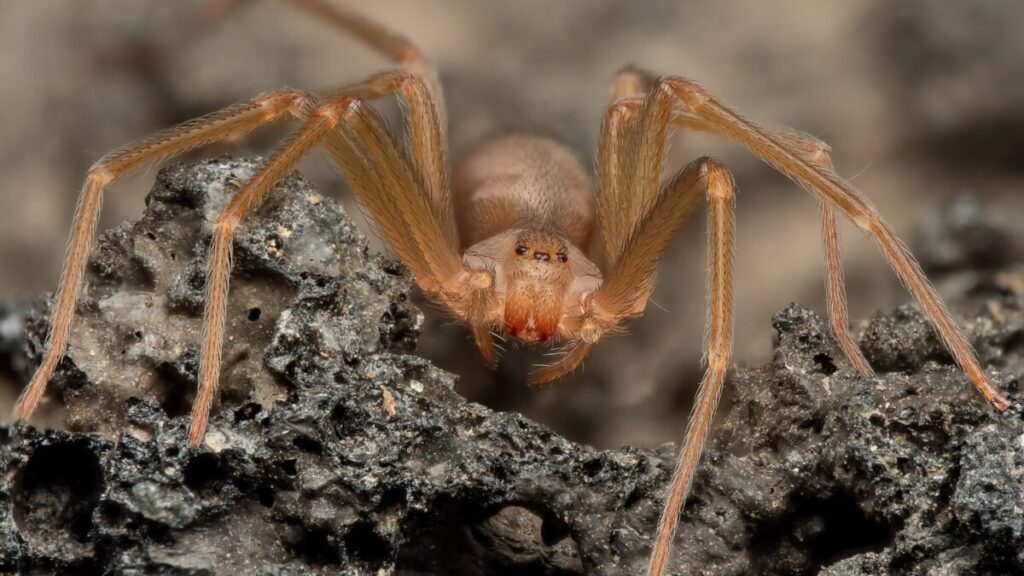
4. Brown Recluse Spider (Loxosceles reclusa)
Particularly feared for its necrotic venom, the Brown Recluse Spider dwells in the southern and central United States. Its violin-shaped marking on its back serves as a distinguishing characteristic, but it is the bite that amateurs dread. While many encounters are benign, a bite can lead to severe skin lesions or, in rare instances, systemic effects. Reputation aside, Brown Recluse Spiders play a crucial role in ecological balance, controlling pest populations.
5. Fierce Snake Bite (Pseudonaja textilis)
Though often classified among snakes, the Fierce Snake or Inland Taipan presents an interesting conundrum when discussing venomous predation dynamics. Its bite, however, is potent enough to warrant its mention among the most dangerous creatures on the planet. Found primarily in the remote Australian outback, this species possesses venom that can kill a human in less than an hour—if antivenin is not administered promptly.
6. Redback Spider (Latrodectus hasselti)
Known to many as Australia’s distinctive cousin to the Black Widow, the Redback Spider thrives in urban areas, often near human habitation. Its striking appearance and penchant for spending time in hiding places make it a common spider in gardens and outhouses. Although its venom can cause significant distress, anti-venom treatments have reduced fatalities, fostering a complex human-spider coexistence as awareness grows.
7. Mexican Redknee Tarantula (Brachypelma smithi)
While commonly regarded as a pet due to its striking maculation, the Mexican Redknee Tarantula bears venom that can inflict severe pain. This spider showcases a vibrant coloration that belies the potency of its bite, which can provoke severe allergic reactions in some individuals. Understanding this dichotomy between beauty and danger allows us to appreciate their ecological role, particularly in controlling insect populations.
8. Hobo Spider (Tegenaria agrestis)
This unassuming spider, often mistaken for harmless varieties, lies stealthily in the Pacific Northwest. Initially believed to possess necrotic venom similar to that of the Brown Recluse, recent studies suggest that its bite is less dangerous than once thought. Despite this ambiguity, the fear surrounding its presence continues to create nervous narratives. This complexity underscores the importance of distinguishing fact from folklore.
9. Six Eyed Sand Spider (Sicarius spp.)
Residing primarily in arid regions of Africa, the Six Eyed Sand Spider is often considered one of the most dangerous spiders in the world. With a bite that can cause hemolytic conditions and necrosis, its elusive nature enhances its notoriety. A master of camouflage, it blends seamlessly into sandy environments, enabling it to lay in ambush. The potency of its venom underlines the need for caution in habitats where these spiders flourish.
10. Yellow Sac Spider (Cheiracanthium inclusum)
Commonly found in gardens and homes across the United States, the Yellow Sac Spider is often overlooked due to its small size and seemingly innocuous demeanor. However, its bite can lead to painful swelling and, in some cases, necrotic lesions. This spider showcases the paradox of understated danger, emphasizing the need for awareness regarding even the most unassuming arachnids.
Understanding these ten venomous spiders expands our perception of the arachnid domain and the ecological roles they play. While the fear of encountering these creatures is reasonable, recognizing their contributions to biodiversity is paramount. As our appreciation for these remarkable beings evolves, so too should our relationship with the intricate web of life they represent, navigating between admiration and caution in our cohabitation with nature.
FAQ
Are all venomous spider bites fatal?
No, most venomous spider bites are not fatal due to advances in medical treatment and availability of antivenoms, although they can cause serious symptoms.
Which spider has the most potent venom?
Among the spiders listed, the Sydney Funnel-Web Spider and Brazilian Wandering Spider are known for some of the most potent venoms affecting humans.
How can I protect myself from venomous spiders?
Avoiding areas where venomous spiders dwell, wearing protective clothing, and inspecting shoes or clothing before use can reduce the risk of bites.
Do venomous spiders play an important ecological role?
Yes, venomous spiders help control insect populations and maintain ecological balance despite their fearsome reputation.






Leave a Reply