
Short Answer
As the world’s population continues its relentless ascent, the phenomenon of overpopulation is becoming increasingly pronounced, presenting challenges that transcend national borders. Nations grappling with excessive population density often encounter a plethora of social, economic, and environmental issues. This exploration delves into the top ten most overpopulated countries, each exhibiting their own unique repercussions stemming from high population density. Through this enlightening journey, we invite readers to reassess preconceived notions about overpopulation and its multifaceted implications.
1. Monaco
Monaco, a minuscule city-state on the French Riviera, is the epitome of high population density. With approximately 26,000 inhabitants crammed into just under one square mile, its population density is the highest in the world. This affluence juxtaposed with space constraints leads to skyrocketing property prices and an exclusivity that only the wealthy can navigate. City planners face incessant challenges in providing adequate housing and infrastructure, all while preserving Monaco’s charm and elegance.
2. Singapore
Singapore presents a potent blend of economic prosperity and severe population density, hosting around 5.7 million people in a mere 278 square miles. The state’s innovative urban planning and development strategies, such as vertical living spaces and green architecture, have counteracted some adverse effects of its dense population. However, issues such as housing shortages, public transportation congestion, and limited land availability pose ongoing dilemmas that demand astute governance.
3. Bangladesh
Bangladesh, with its burgeoning population of over 166 million residents dwelling within an area of approximately 147,570 square kilometers, is the most densely populated large country in the world. Urbanization has surged in recent years, as people flock to cities like Dhaka in search of employment opportunities. This rapid urban influx, however, has led to rampant overcrowding, inadequate sanitation, and a lack of resources, igniting concerns about public health and sustainability.
4. Lebanon
Lebanon’s historical complexities and geographic constraints contribute to its high population density, with around 6 million people scattered across 10,452 square kilometers. The influx of refugees, particularly from neighboring conflict regions, exacerbates the situation, placing immense pressure on the country’s infrastructure and public services. Such demographic changes compel Lebanon to grapple with socio-political tensions and resource allocation, accentuating the necessity for comprehensive policy reform.
5. Malta
Occupying an area of just 316 square kilometers, Malta sustains a population of more than 514,000 residents, resulting in an impressive population density. The small island nation endures challenges such as environmental strains and housing shortages that arise from its allure as a tourist destination. As Malta seeks to bolster its economy through tourism, the delicate balance between economic vitality and environmental sustainability emerges as a critical focus for future development.
6. Mozambique
Mozambique, while still developing, faces significant challenges with a growing population of around 32 million in an area of over 800,000 square kilometers. The concentration of people in urban centers like Maputo leads to overwhelming pressures on existing infrastructure, inadequate healthcare, and insufficient educational resources. The juxtaposition of a rich cultural heritage against the backdrop of overpopulation prompts critical discussions about sustainable development and social equity.
7. India
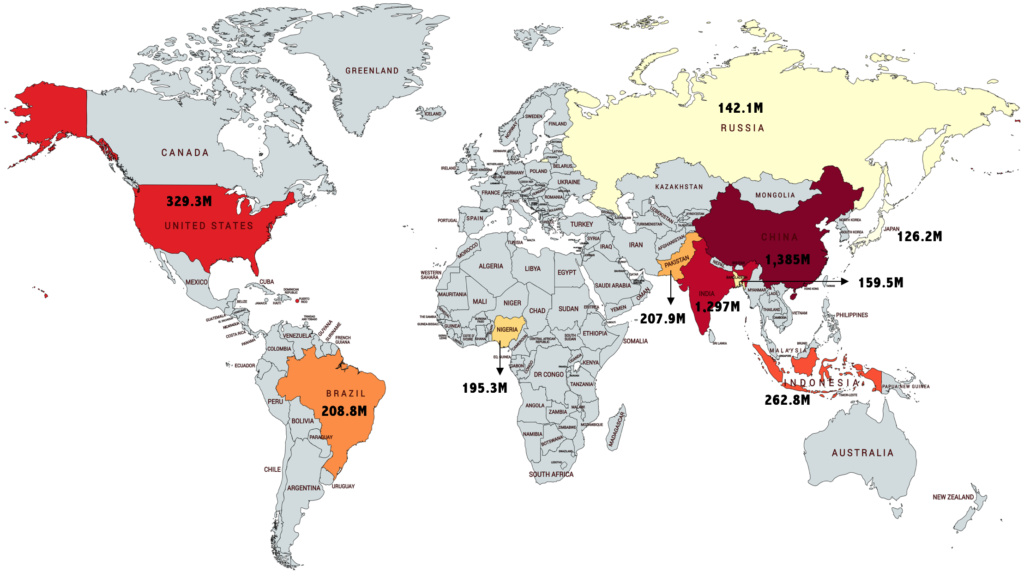
India stands as the second-most populous country in the world, with over 1.4 billion inhabitants crowding its 3.287 million square kilometers. This immense population exerts significant stress on India’s resources, education, healthcare, and public services. Urban areas, in particular, experience congestion and pollution challenges, compelling the government to innovate methods for urban planning and infrastructure development to cater to the ever-growing needs of its citizenry.
8. Japan
Despite its reputation as a technologically advanced society, Japan is grappling with a paradox. Although its overall population is declining, specific urban regions remain densely populated, with over 13 million residents in Tokyo alone. This dynamic poses unique challenges, from accommodating the aging population to managing urban sprawl. However, Japan’s exemplary public transportation system and innovative architectural designs provide intriguing solutions that other nations might emulate.
9. Philippines
The Philippines, an archipelago of over 7,000 islands, harbors a population of approximately 113 million residing in just 300,000 square kilometers, making it one of the most densely populated countries in Asia. Overpopulation in urban areas, such as Metro Manila, leads to dire housing shortages and slum proliferation, highlighting the need for more equitable resource distribution and comprehensive urban development plans. The balancing act between economic growth and social equity remains pivotal for future advancements in the region.
10. Nigeria
As Africa’s most populous nation, Nigeria boasts a population exceeding 211 million people within approximately 923,768 square kilometers. Rapid population growth fuels urbanization, particularly around cities like Lagos, leading to infrastructural strain, inadequate sanitation, and environmental degradation. Acknowledging these issues is paramount as Nigeria continues to grow, necessitating the implementation of sustainable policies to guarantee growth is balanced with ecological preservation.
In conclusion, the specter of overpopulation looms large in various corners of the globe, with each country presenting distinctive challenges and opportunities. As society looks towards the future, understanding these dynamics is essential for developing effective strategies to combat the adverse effects of overpopulation. Through a transformative lens, we can recognize that while the situation may appear daunting, there lies an opportunity for innovation, cooperation, and resilience that can guide nations towards a more sustainable future.
FAQ
What defines an overpopulated country?
An overpopulated country is defined by a population density that exceeds the sustainable capacity of its resources and infrastructure, leading to various social, economic, and environmental challenges.
Which country has the highest population density?
Monaco is the country with the highest population density in the world, with approximately 26,000 inhabitants per square mile.
What are common challenges faced by overpopulated countries?
Challenges include housing shortages, inadequate infrastructure, public health issues, environmental degradation, and increased demand on public services.
How do countries like Singapore manage overpopulation?
Countries like Singapore use innovative urban planning, including vertical living spaces and green architecture, to mitigate the effects of overpopulation.




Leave a Reply