
Short Answer
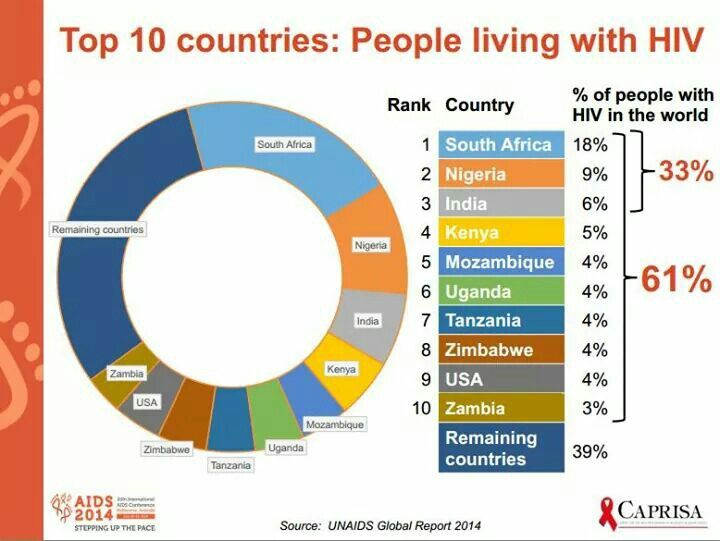
The global battle against the Human Immunodeficiency Virus (HIV) has taken a myriad of forms over the decades, revealing stark disparities in prevalence across various nations. Understanding the countries most affected by HIV can shed light on urgent health challenges and the pressing need for both international and local interventions. The following is an exploration of the top 10 countries with the highest rates of HIV, offering insights into their socio-economic landscape, health policies, and the ongoing efforts towards treatment and prevention.
1. South Africa
Boasting the highest number of individuals living with HIV, South Africa is grappling with an epidemic rooted in various socio-economic factors, including poverty, inequality, and limited access to healthcare. More than 7 million people are estimated to be living with HIV in this diverse nation, prompting robust governmental and non-governmental initiatives aimed at improving awareness, testing, and treatment options. The dual approach—encouraging both behavioral change and biomedical interventions—continues to evolve, seeking to combat stigma and resistance to treatment.
2. Nigeria
Nigeria’s battling of the HIV epidemic is multifaceted, marked by regional discrepancies where urban centers see significantly higher risks than rural areas. With approximately 1.9 million people living with HIV, the country faces challenges such as lack of awareness and inadequate sexual health education. Implementing programs targeting vulnerable populations, such as sex workers and men who have sex with men, remains imperative for progress. As part of its national response, Nigeria has looked towards integrating HIV services into primary healthcare systems to streamline access.
3. Mozambique
With an alarmingly high prevalence of approximately 13.2%, Mozambique is a country where socio-economic constraints severely complicate the fight against HIV. The intersection of poverty, low education rates, and gender inequality exacerbates the scenario, leading to significant health disparities. Local initiatives are increasingly recognizing the importance of community engagement, aiming to empower individuals and foster education around safe practices. Additionally, international partnerships play a crucial role in enhancing treatment access and resource distribution.
4. Lesotho
Lesotho is afflicted with one of the highest HIV prevalence rates in the world, with around 23% of its adult population living with the virus. This small mountainous nation faces significant challenges due to its limited healthcare infrastructure, exacerbated by economic struggles and food insecurity. Recent strategies have focused on integrating HIV testing into routine healthcare, while education on prevention methods has become paramount. Addressing the cultural intricacies and misconceptions surrounding HIV is integral for fostering a more supportive environment for affected individuals.
5. Swaziland (Eswatini)
Eswatini, previously known as Swaziland, has an HIV prevalence rate estimated at about 27.4%, marking it as the nation with the highest rate globally. The small nation grapples with a complex interplay of factors, including healthcare accessibility and a culture of stigma against those living with HIV. Efforts have been made to reduce transmission rates through combination prevention strategies, emphasizing the importance of condom use and antiretroviral therapy (ART). Eswatini stands as a poignant reminder of the importance of comprehensive health education in ameliorating public health crises.
6. Namibia
Despite being one of the more economically stable countries in Africa, Namibia faces a significant HIV epidemic, with a prevalence rate hovering around 13.3%. The challenges here include addressing gaps in healthcare access, particularly in rural areas, and combatting the deeply entrenched stigma associated with HIV. Public health campaigns have increasingly focused on promoting testing and treatment adherence, while also incorporating community leaders to encourage dialogue around prevention and care.
7. Zambia
Zambia is characterized by its rich cultural tapestry and resilient populace, yet it struggles with a substantial HIV burden, with approximately 11.1% of adults living with the virus. The government’s response has included the establishment of strong healthcare frameworks aimed at testing, treatment, and prevention. However, the socio-cultural dynamics, including traditional practices and norms, often complicate effective communication surrounding health. Efforts must continue to emphasize the normalization of HIV testing and treatment as a critical aspect of overall health.
8. Botswana
With an impressive public health response, Botswana has made significant strides in combating its HIV epidemic, which currently affects around 20% of the adult population. The country’s early adoption of ART and widespread treatment programs have distinctly decreased mortality rates. Ongoing efforts focus on enhancing awareness and reducing stigma, while introducing innovative strategies such as self-testing, which has shown promise in reaching previously underserved populations.
9. Kenya
Kenya’s HIV prevalence stands at approximately 4.5%, with particular demographics—such as the youth and key populations—being disproportionately affected. The government, in collaboration with various NGOs, has implemented comprehensive health programs focused on prevention, treatment, and stigma reduction. Through widespread educational campaigns and community outreach, Kenya works to positively shift the narrative surrounding HIV while enhancing the reach of available resources.
10. Uganda
Once viewed as a model for HIV control, Uganda is now facing rising rates, with a prevalence of about 6.2%. The nation’s struggle is reflective of political, social, and economic upheavals impacting healthcare systems. In recent years, innovative approaches have emerged, including the use of digital platforms for education and outreach. Furthermore, Uganda’s focus on youth-targeted interventions and community involvement seeks to curtail the epidemic’s progression.
In conclusion, understanding the nuanced intricacies faced by countries with the highest HIV rates is essential for developing effective interventions. Each country presents a unique tapestry of challenges that require tailored approaches encompassing healthcare access, community engagement, and stigma reduction. As global efforts continue to combat this public health issue, it remains imperative to foster international collaboration and integrated strategies that prioritize the well-being of those affected by HIV.
FAQ
What are the countries with the highest HIV rates in the world?
The countries with the highest HIV rates include Eswatini, Lesotho, South Africa, Botswana, Namibia, Mozambique, Zambia, Nigeria, Uganda, and Kenya.
Why do some countries have higher HIV prevalence rates?
Higher HIV prevalence rates are often linked to factors such as poverty, limited healthcare access, stigma, lack of education, gender inequality, and socio-cultural practices.
What efforts are being made to reduce HIV rates in high-prevalence countries?
Efforts include improving awareness, increasing HIV testing and treatment availability, reducing stigma, promoting safe practices, integrating HIV services into healthcare, and international partnerships.
How does stigma affect HIV prevention and treatment?
Stigma discourages individuals from seeking testing and treatment, which hampers efforts to control the epidemic and leads to ongoing transmission and poorer health outcomes.





Leave a Reply