
Short Answer
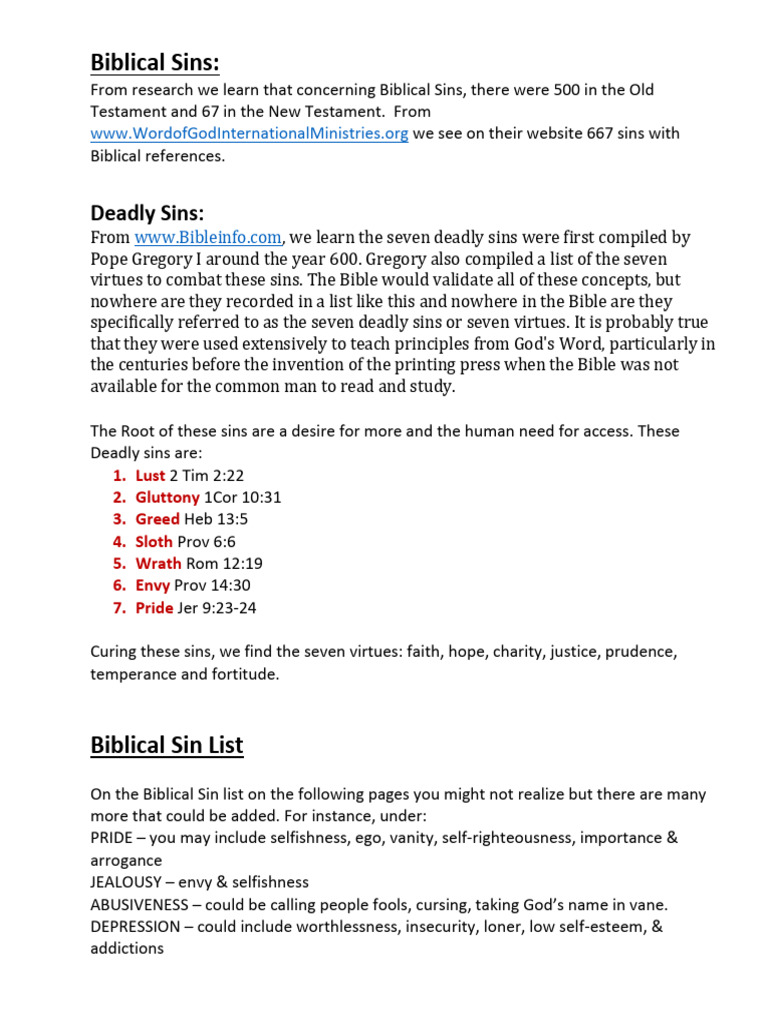
In the tapestry of faith, sin is often considered a formidable blemish on the soul; it is a transgression that disrupts one’s relationship with the divine. Biblical text offers insight into the nature and severity of various sinful acts, but what makes certain sins more egregious than others? As we embark on this exploration of the top ten worst sins as delineated in the Scriptures, allow yourself to ponder: if you were to rank your transgressions, where would you draw the line? Let’s delve into the intricate nuances of sin and unveil the moral labyrinth that emerges from biblical teachings.
1. **Blasphemy Against the Holy Spirit**
Among the most heinous of sins stands blasphemy against the Holy Spirit. This act, often described in the gospels, is characterized by an unforgivable offense against the divine. To dismiss or malign the work of the Holy Spirit—or worse, attribute that work to malevolent forces—places one outside the realm of redemption. It’s a chilling notion, provoking the question: how often do we find ourselves dismissing the profound in favor of the mundane?
2. **Idolatry**
Idolatry embodies the act of placing something or someone in the position of God. This can manifest in various forms, from literal worship of statues to elevating material possessions or personal desires above divine authority. The Bible unequivocally condemns such behavior, advocating for fidelity to the Creator. In a world rife with distractions, one must ask: what idols may unwittingly capture your devotion?
3. **Murder**
The act of taking a life is universally recognized as one of the gravest sins. Yet, the essence of murder extends beyond the physical act; it encapsulates harboring hatred and animosity in one’s heart, as illustrated in the New Testament. This warning beckons contemplation: could an unchecked grudge or resentment be wielding the same destructive power as the act itself?
4. **Adultery**
Adultery is a violation of sacred marital vows, representing not just a betrayal of a spouse but also a transgression against the institution of marriage as ordained by God. The Bible speaks expressly against sexual immorality and highlights the profound consequences of this sin—both socially and spiritually. This provokes an intriguing dialogue: in a world that often trivializes commitment, how can one truly safeguard their relational sanctity?
5. **Theft**
Theft, the act of taking what does not belong to oneself, breaches trust and integrity. It’s not merely limited to physical possessions; it can encompass intellectual property, reputation, and the theft of time through deceitful practices. Understanding that theft diminishes community fosters a deeper appreciation for honesty and stewardship. What might your life look like if you committed to be a steward of not just your resources but those of others?
6. **False Witness**
Bearing false witness, or lying, particularly in matters of significant consequence, undermines the very fabric of trust within relationships. This sin is sharply admonished in the Ten Commandments. In our lives, the ramifications of untruths can be profound, leading to a cascade of discord. Could it be that the truth, in its simplicity, holds more power than we care to acknowledge?
7. **Witchcraft**
Engaging in witchcraft or sorcery entails seeking out supernatural means rather than relying on the divine. This form of rebellion fosters a dangerous reliance on the occult, an act denounced vigorously in Scripture. The modern fascination with the mystical poses an interesting dilemma: does the allure of the supernatural overshadow our commitment to faith?
8. **Pride**
Pride, considered the root of all sins, is a pervasive attitude that elevates self above others—and often, above God. The biblical depiction of pride reveals its insidious nature; it underpins numerous other transgressions, including lust and greed. Reflecting on your personal journey, how may pride have informed your decisions, relationships, and worldview?
9. **Greed**
Closely aligned with pride is greed, an insatiable desire for wealth and possessions often to the detriment of spiritual and ethical values. The pursuit of material wealth can lead an individual to overlook the needs of others and the teachings of compassion found throughout Scripture. Have there been moments when the pursuit of more drowned out the call to gratitude and generosity?
10. **Unforgiveness**
Holding onto grudges and refusing to forgive cultivates an environment where bitterness flourishes. This particular transgression not only affects one’s relationship with others but also hinders one’s relationship with God. The Scriptures implore believers to forgive as they have been forgiven. Could embracing forgiveness be the key to liberation from emotional bondage?
As we traverse this labyrinthine exploration of sins, it becomes evident that sin, in its many forms, is a fundamental aspect of the human experience. The biblical ranking serves not merely as a list of moral failings but rather as a beacon for introspection and growth. It invites us to challenge our own practices and confront our relationships, both with ourselves and the divine. So, as you reflect on these ten grievous sins, consider: how can you actively pursue a life that transcends these transgressions and nurtures both spiritual and communal harmony? The challenge remains: strive for growth in understanding and action.
FAQ
What constitutes the worst sins in the Bible?
The Bible identifies sins like blasphemy against the Holy Spirit, idolatry, murder, adultery, theft, false witness, witchcraft, pride, greed, and unforgiveness as particularly grievous.
Are all sins considered equal in biblical teachings?
No, biblical texts suggest some sins are more severe due to their spiritual consequences, with blasphemy against the Holy Spirit often regarded as unforgivable.
How can understanding these sins impact personal growth?
Reflecting on these sins encourages moral introspection and spiritual growth, helping individuals align more closely with biblical values and improve relationships with others and God.






Leave a Reply