
Short Answer
When navigating the vast geographical expanse of the United States, one cannot ignore the cities that repeatedly surface in discussions about poor living conditions. While every city has its redeeming qualities, certain locations present challenges that can lead to a disconcerting quality of life. Identifying the cities that rank among the worst to live in provides a fascinating exploration into the socio-economic, environmental, and cultural dynamics at play. Here’s a comprehensive analysis of the ten worst cities to live in America, underpinning the reasons behind their undesirable reputation.
1. Detroit, Michigan
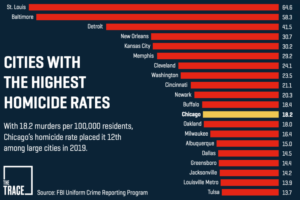
Once a booming hub of American industry, Detroit encapsulates the dramatic decline that can befall a city. Economic downturns have resulted in abandoned buildings and declining infrastructure. The crime rate remains alarmingly high, with property crimes and violent offenses casting a pall over daily life. Moreover, underfunded public services exacerbate issues such as inadequate education and health care, creating a cycle of disenchantment among residents.
2. St. Louis, Missouri
St. Louis, known for its rich history and iconic Gateway Arch, conceals a darker narrative. Economic disparity permeates the city, with many neighborhoods suffering from high unemployment rates. A legacy of racial segregation has cultivated pockets of poverty that are difficult to escape. Coupled with widespread gun violence and an inadequate public transportation system, St. Louis often finds itself at the bottom of livability rankings.
3. Baltimore, Maryland
Baltimore’s vibrant arts scene and rich cultural heritage clash with its struggles against crime and poverty. Despite its historical charm, the city grapples with a significant drug epidemic and a reputation for violence. Public schools are underfunded and often fail to provide a thorough education, resulting in lower educational attainment and limited employment opportunities for residents. These persistent issues have led to a high rate of out-migration.
4. Cleveland, Ohio
Cleveland has long been synonymous with industrial decline, and its struggle to rejuvenate itself showcases the complexities of post-industrial cities. High rates of unemployment, combined with a shrinking population, undermine the community’s potential. The lack of sufficient health services and struggling public schools continue to challenge the city’s growth, making it less attractive for families and new residents alike.
5. Fresno, California
Despite being nestled in the heart of California’s agricultural output, Fresno battles issues such as air pollution, inadequate infrastructure, and troubling crime rates. The city’s lack of diversified job opportunities contributes to high poverty levels, and its education system frequently comes under scrutiny for its performance. These compounding issues render Fresno less than ideal for many individuals and families.
6. Newark, New Jersey
Newark stands as one of New Jersey’s pronounced challenges. While efforts have been made toward revitalization, residents face significant hurdles—including poverty, crime, and a strained public transportation system. A large portion of the population is un- or underemployed, which perpetuates the cycle of poverty. Although cultural spots and diverse communities add richness to the environment, they do not mitigate the pressing issues experienced by many inhabitants.
7. Memphis, Tennessee
Memphis is famous for its dynamic music scene and culinary traditions, but lurking beneath its colorful surface are alarming socio-economic difficulties. The city often headlines lists of the highest crime rates in America, and the prevalence of poverty remains staggering. Educational attainment levels are typically lower than the national average, leading to diminished job prospects and perpetuating a cycle of economic instability.
8. Richmond, Virginia
While Richmond possesses undeniable historical significance, it grapples with contemporary challenges that can deter prospective residents. A growing crime rate, especially in specific neighborhoods, coupled with economic inequality, leaves many residents feeling unsafe and disenchanted. The education system also struggles to adequately serve its students, creating further barriers to social mobility and prosperity.
9. Baton Rouge, Louisiana
Baton Rouge, often overshadowed by its vibrant neighbor New Orleans, faces stark challenges that contribute to its poor rankings as a livable city. Issues of crime, rampant poverty, and a struggling education system are predominant. Environmental factors, such as vulnerability to flooding and subpar infrastructure, further complicate the quality of life for residents. While the city boasts rich culture and cuisine, these positives do little to eclipse the hardships that many endure.
10. Jackson, Mississippi
Jackson presents a narrative of decline amidst hopes for revitalization. With a primarily African American population, the city faces significant racial and economic disparities that are deeply embedded in its history. High crime rates, a struggling economy, and failing public services heavily impact the quality of life. Despite these issues, local leaders and community organizations are fervently working to uplift the city, fostering a sense of resilience among its residents.
In conclusion, the cities highlighted above may be grappling with numerous issues that contribute to their classification as some of the worst places to live in America. Each city paints a picture not merely of urban decline but also reflects deeper societal challenges that resonate across this diverse nation. Understanding what makes these cities less livable can provide insights into the complexities of urban development, socio-economic stratification, and the resilience of the human spirit in the face of adversity. While these locales face significant hurdles, they also harbor potential—shadows of promise waiting to be realized.
FAQ
What criteria determine the 'worst' cities to live in America?
Cities are ranked based on factors such as crime rates, economic conditions, quality of public services, education systems, infrastructure, and environmental challenges.
Are there any efforts to improve these cities?
Yes, many cities have local leaders and community organizations working on revitalization projects to improve safety, economy, and living conditions.
Do these cities have any positive aspects?
Despite their challenges, many of these cities have rich cultural heritage, historical significance, and community resilience.

Leave a Reply