
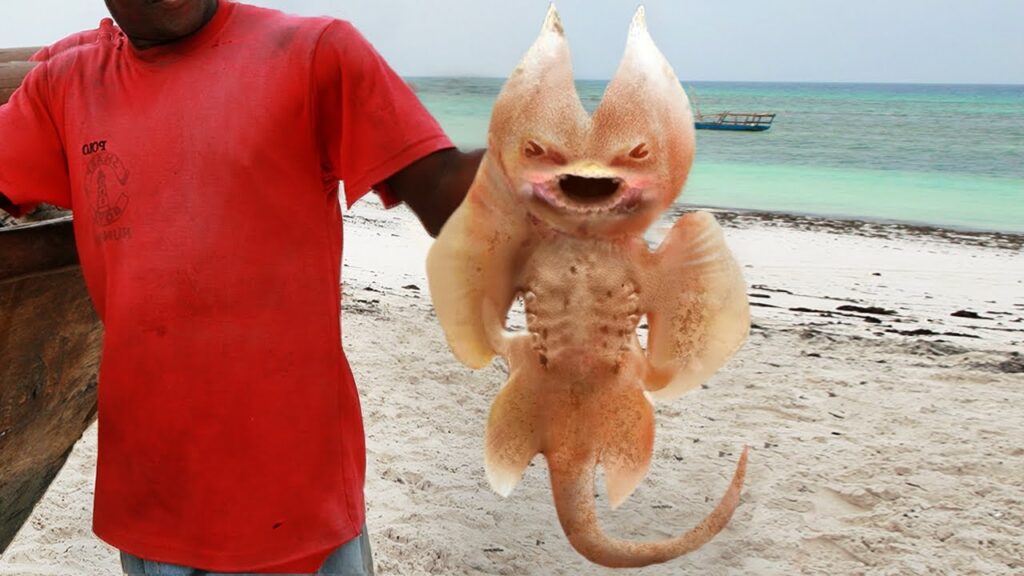
Short Answer
In the expansive and often unfathomable tapestry of the animal kingdom, there exists a plethora of species that boggle the mind and defy conventional understanding. From glowing creatures of the deep abyss to bizarre land dwellers that seem to have emerged from the imagination of a surrealist artist, the earth teems with oddities. These peculiar beings not only broaden our perspective on biodiversity but also ignite our curiosity about life’s myriad forms. This article presents an intriguing exploration of the top ten weirdest animals ever discovered, showcasing their eccentricities and the remarkable adaptations that render them unique.
1. Axolotl – The Eternal Youth
Originating from the lakes of Mexico, the axolotl is a peculiar amphibian renowned for its remarkable ability to regenerate lost limbs and retain its gills into adulthood. Unlike typical frogs that metamorphose from tadpoles into terrestrial creatures, the axolotl remains aquatically juvenile, exhibiting a ludicrous smile and frilly external gills. Its regenerative prowess not only fascinates scientists but also has potential implications for human medicine, making it a beacon of hope in regenerative biology.
2. Okapi – Nature’s Enigma
Often referred to as the “forest giraffe,” the okapi is a curious juxtaposition of equine and giraffid features. Found exclusively in the dense rainforests of the Democratic Republic of the Congo, this elusive creature sports a strikingly patterned coat reminiscent of a zebra, complete with long legs and a tufted mane. The okapi’s unique adaptations for camouflage allow it to blend seamlessly into its arboreal habitat, making it a master of stealth and a subject of deep intrigue among conservationists and wildlife enthusiasts alike.
3. Aye-Aye – The Demonic Drummer
Hailing from Madagascar, the aye-aye is an unusual primate with an appearance that has often led to superstition and myth. Palpably human-like eyes juxtaposed with rodent-like teeth create an eccentric visage. Its most bizarre feature is the elongated middle finger, which it uses in a distinctive foraging technique known as percussive foraging. By tapping on tree bark, the aye-aye can locate hollow chambers housing grubs, a feeding behavior that showcases its deft adaptation to a niche ecosystem.
4. Naked Mole Rat – The Hairless Wonder
Devoid of fur and adorned with translucent skin, the naked mole rat exudes unconventionality. Native to the arid regions of East Africa, this rodent thrives in subterranean colonies, exhibiting a highly social structure akin to that of bees or ants. Remarkably, the naked mole rat is resistant to cancer and possesses an extraordinary lifespan, drawing interest from researchers who aspire to unlock the secrets of longevity. Its peculiar physique and social behavior make it a compelling subject in both biology and genetic research.
5. Pistol Shrimp – The Acoustic Assassin
The tiny yet formidable pistol shrimp holds the record for creating one of the loudest sounds in the underwater world. With a specialized claw that can snap shut at explosive speed, it generates a cavitation bubble that produces a stunning sonic boom. This phenomenon not only stuns its prey but also serves as a form of communication among peers. The pistol shrimp’s unique adaptation illustrates the astonishing capabilities of nature, intertwining anatomy with acoustics in an unparalleled manner.
6. Dumbo Octopus – The Mesmerizing Cephalopod
Floating gracefully through the depths, the Dumbo octopus captures the imaginations of divers and marine biologists alike. Named for its ear-like fins that resemble the animated Disney character, this deep-sea cephalopod swathes itself in enchanting colors and exhibits an array of fascinating behaviors. With an ability to change its skin texture and coloration instantaneously, the Dumbo octopus exemplifies the remarkable adaptability of marine life to an ever-changing environment.
7. Red-Lipped Batfish – The Fashionista of the Ocean
Endemic to the Galápagos Islands, the red-lipped batfish is a strikingly bizarre species widely recognized for its vibrant red lips and clumsy swimming style. These fish are not adept swimmers; instead, they navigate the sandy ocean floor using their pectoral fins, creating an image that is both ludicrous and endearing. The batfish’s unique morphology highlights the myriad adaptations life has undertaken to thrive in various habitats.
8. Goblin Shark – The Alien of the Deep
Often dubbed the “living fossil,” the goblin shark is a rarely seen deep-sea predator characterized by its elongated snout and protruding jaw filled with needle-like teeth. Its ghostly pink hue gives it an eerie appearance, allowing it to blend astonishingly well into its dark environment. The goblin shark’s unique feeding mechanism, involving an almost astonishing jaw extension, renders it a mysterious entity of the ocean’s depths, providing a window into the ancient lineage of cartilaginous fish.
9. Yeti Crab – The Hairy Crustacean
Discovered near hydrothermal vents in the South Pacific, the yeti crab boasts a peculiar and hirsute appearance, with bristles on its claws resembling fur. This fascinating creature cultivates bacteria on its claws, which it uses as a primary food source. The yeti crab’s unique adaptation showcases the intersection of symbiotic relationships and the harsh conditions of deep-sea environments, revealing the complexities of life forms that adapt to extreme habitats.
10. Tarsier – The Pint-Sized Primordial
With bulbous eyes that dominate its tiny head, the tarsier stands out as an icon of the nocturnal realm. Native to Southeast Asia, this small primate possesses enormous eyes adapted for excellent night vision and remarkable leaping abilities. Tarsiers are among the only fully carnivorous primates, preying on insects and small vertebrates, making them a fascinating anomaly in the primate lineage. Their distinctive combination of traits evokes a sense of the primeval, shining a light on the diversity of mammalian evolution.
In conclusion, the animal kingdom is a treasure trove of curiosities, showcasing a vibrancy that is both awe-inspiring and bewildering. Each of these ten unusual creatures offers a glimpse into the endless possibilities of adaptation and survival amidst the wonders of evolution. From the regenerative axolotl to the charming yeti crab, these bizarre beings remind us of nature’s limitless imagination. As we venture deeper into the unknown, who knows what further oddities await discovery in the enchanting realms of our planet?
FAQ
What defines a weird animal?
Weird animals are species with unusual physical traits or behaviors that distinguish them from typical animals.
Why is the axolotl considered unique?
Because it retains juvenile features into adulthood and can regenerate limbs, making it important for scientific research.
Where are some of these weird animals found?
They are found worldwide, including Mexico, Madagascar, the Congo, East Africa, and deep ocean environments.





Leave a Reply