
Short Answer
Crime rates are a significant indicator of safety and community health, often influencing public perception and residents’ quality of life in urban areas. Various factors contribute to high crime rates, including socio-economic conditions, law enforcement practices, and community engagement. Below, we delve into the top ten U.S. cities that grapple with elevated crime rates, examining the complexities of each city and the different types of crimes that characterize them.
1. St. Louis, Missouri
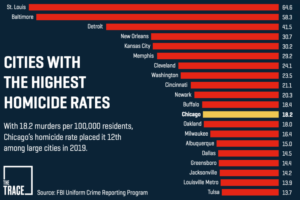
St. Louis consistently garners attention as one of the cities with the highest crime rates, particularly in violent offenses. A considerable portion of reported crimes stems from assaults and homicides. Gang activity plays a significant role in perpetuating violence, and although local authorities have made strides in community policing, the city continues to confront the repercussions of economic disparity and limited access to educational resources.
2. Detroit, Michigan
Once a thriving automotive hub, Detroit has experienced drastic population decline and economic challenges, contributing to its prevalent crime scenario. Violent crime, especially aggravated assaults and sexual offenses, remains alarmingly high. While initiatives aimed at revitalization and policing reform are underway, the struggle with property crimes, including theft and burglary, also challenges the city’s recovery.
3. Memphis, Tennessee
The city of Memphis faces a multifaceted crime landscape heavily affected by its socioeconomic factors. While focusing on violent crimes, particularly gun-related incidents, one cannot overlook property crimes that plague its neighborhoods. Community programs aimed at reducing youth violence have emerged, yet systemic issues persist, hindering long-term crime reduction efforts.
4. Baltimore, Maryland
Baltimore has made headlines for its profound issues with violent crime, notably homicide rates that often rank among the highest in the nation. The city’s historical struggles with poverty, drugs, and socio-political unrest create a particularly volatile environment. The intensity of street-level crime, including drug trafficking and gang violence, reflects a chronic disconnection between law enforcement and the communities they serve.
5. Cleveland, Ohio
Cleveland’s crime statistics reveal a troubling reality dominated by violent crime rates and property offenses. Economic hardship, coupled with stagnant growth, has resulted in elevated crime, particularly in certain neighborhoods. Community leaders are increasingly pushing for reforms and engagement, yet the city’s historical struggles with crime continue to impede transformation.
6. Flint, Michigan
Flint’s legacy of industrial decline has given rise to a concentrated crime problem, with violent incidents such as homicides and aggravated assaults at the forefront. The city’s infamous water crisis exacerbated societal issues, leading to increased displacement and disenfranchisement. Organizations focused on restorative justice and community rebuilding are critical as Flint battles pervasive criminal activity.
7. Albuquerque, New Mexico
The picturesque landscapes of Albuquerque starkly contrast the city’s high crime rates, particularly in property crimes such as theft and burglary. Social challenges, including substance abuse and mental health issues among the population, contribute to an environment where crime flourishes. Law enforcement has prioritized community outreach, hoping to bridge gaps between citizens and police forces.
8. Kansas City, Missouri
Kansas City has witnessed fluctuating crime rates, but violent crime remains a significant concern. The city faces challenges related to gang influence and drug-related activities. Property crimes also proliferate, resulting in a need for community engagement and socioeconomic development that can mitigate the root causes of crime and foster local empowerment.
9. Chicago, Illinois
While Chicago’s crime story is often dominated by sensational narratives surrounding gang violence and gun crime, the nuances of its crime rates reveal a more complex picture. A combination of socio-economic factors, including inequality and lack of opportunity, fuel persistent crime. Efforts to improve community policing and crime prevention programs reflect a commitment to addressing these long-standing issues.
10. New Orleans, Louisiana
New Orleans, with its vibrant culture and festivals, grapples with significant crime rates, particularly violent crime. The aftermath of Hurricane Katrina has left an indelible mark on the city’s infrastructure and social fabric, allowing crime to proliferate in certain sectors. Authorities are working toward enhancing public safety, yet the city continues to battle against the tides of violence rooted in historical disenfranchisement.
In summation, crime rates in U.S. cities are a complex amalgamation of socio-economic factors, community engagement, and law enforcement practices. While cities like St. Louis and Detroit present dire circumstances, many communities are actively pursuing reform and revitalization efforts aimed at engendering safety and security. Understanding the underlying causes of crime is essential as these cities strive for peace and prosperity. As the landscape evolves, continued attention to crime prevention and community empowerment remains pivotal in shaping safer urban environments.
FAQ
What factors contribute to high crime rates in U.S. cities?
High crime rates are influenced by socio-economic conditions, gang activity, law enforcement effectiveness, community engagement, and historical challenges such as poverty and industrial decline.
Which U.S. city has the highest violent crime rate?
According to the article, St. Louis, Missouri consistently ranks among the highest for violent crime rates.
What are common types of crimes in these cities?
Common crimes include assaults, homicides, theft, burglary, drug trafficking, and gang violence.
Are there efforts to reduce crime in these cities?
Yes, many cities implement community policing, youth violence reduction programs, revitalization initiatives, and restorative justice efforts.


Leave a Reply