
Short Answer
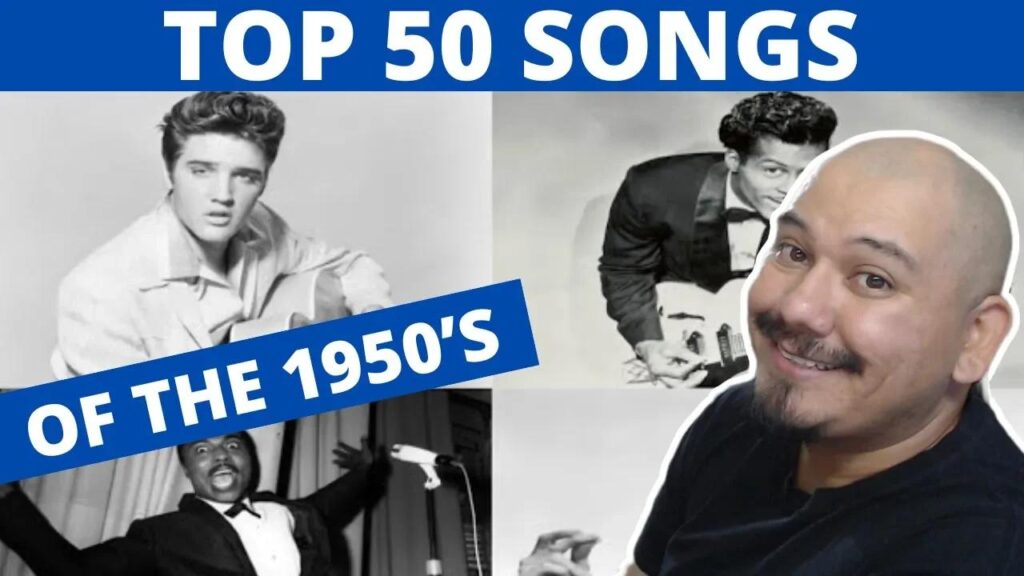
The 1950s represent a crucial decade in the evolution of modern music, often credited as the period that “started it all” for genres like rock and roll, rhythm and blues, and pop. This era saw a profound shift in cultural expressions, mirrored by the timeless songs that continue to resonate across generations. The fascination with 1950s music is not accidental; it stems from a blend of innovative musical techniques, social dynamics, and the birth of a youth culture eager for new forms of expression. Below is a list of the top 10 songs from the 1950s that laid the foundation for future musical revolutions and still play a significant role in music history today.
1. “Rock Around the Clock” – Bill Haley & His Comets (1954)
Often hailed as the anthem that brought rock and roll into mainstream culture, Bill Haley’s “Rock Around the Clock” was a groundbreaking track. Its upbeat tempo and rebellious spirit captured the essence of teenage freedom and excitement post-World War II. The song’s placement in the film “Blackboard Jungle” helped cement rock and roll as a generational movement, making this track synonymous with the birth of youth-driven pop culture.
2. “Heartbreak Hotel” – Elvis Presley (1956)
Elvis Presley’s first number one hit, “Heartbreak Hotel,” marked a defining moment in both his career and rock history. The song’s blues-inspired melody, raw emotion, and evocative lyrics spoke to a sense of loneliness and alienation that contrasted with the otherwise optimistic 1950s. Its success showcased how music could articulate complex feelings, setting Presley apart as a cultural icon.
3. “Tutti Frutti” – Little Richard (1955)
Little Richard’s explosive energy and vocal style in “Tutti Frutti” exemplified the wild and uninhibited spirit of early rock and roll. As one of the first songs to combine gospel’s intensity with rhythm and blues’ beat, it opened doors for artists who rejected traditional norms. The song’s nonsensical lyrics are part of its charm, emphasizing the power of rhythm and raw performance over lyrical substance.
4. “Johnny B. Goode” – Chuck Berry (1958)
Chuck Berry’s storytelling combined with his signature guitar riffs in “Johnny B. Goode” epitomized the core of rock and roll storytelling. It inspired countless musicians and crystallized the image of the guitar as the central instrument of rock. The song’s portrayal of a young, ambitious musician symbolized the American dream accessible through talent and determination.
5. “Why Do Fools Fall in Love” – Frankie Lymon & The Teenagers (1956)
This track captured the innocence and turmoil of teenage love with its catchy doo-wop style and youthful harmonies. Frankie Lymon, at only 13 years old, gave the song an authentic voice that deeply connected with the burgeoning teen audience. The song’s success pointed to the growing influence of teen culture on the music industry.
6. “La Bamba” – Ritchie Valens (1958)
“La Bamba” is a traditional Mexican folk song transformed into a rock and roll hit by Ritchie Valens, one of the first Chicano rock stars. Its bilingual appeal and cultural crossover highlighted the increasingly diverse American musical landscape. The track remains a testament to how music can bridge cultural divides while influencing mainstream pop.
7. “Blue Suede Shoes” – Carl Perkins (1956)
As one of the earliest rockabilly hits, “Blue Suede Shoes” combined country sensibilities with rock and roll’s rhythmic punch. Carl Perkins’ candid lyrics about personal style and pride echoed the individualistic attitudes that would grow throughout the decade. The song’s widespread popularity also pushed forward the idea of the musician as a distinctive, rebellious persona.
8. “That’ll Be the Day” – Buddy Holly & The Crickets (1957)
Buddy Holly’s innovative approach to songwriting and recording techniques is well represented by “That’ll Be the Day.” The song’s catchy melody and relatable lyrics made it a hit and helped define the early rock sound. Holly’s influence extended well beyond his lifetime, inspiring major artists of the next generation who saw the potential for creative freedom in the genre.
9. “Shake, Rattle and Roll” – Big Joe Turner (1954)
Originally a rhythm and blues hit by Big Joe Turner and later popularized by Bill Haley, “Shake, Rattle and Roll” blurred the lines between R&B and rock and roll. Its suggestive lyrics and driving rhythm embodied the rebellious spirit many associated with the 1950s youth. This song demonstrated how African American musical forms were fundamental to the development of rock and roll.
10. “Summertime Blues” – Eddie Cochran (1958)
“Summertime Blues” captured teenage frustration with its clever lyrics and driving rockabilly beat. Eddie Cochran’s dynamic performance illustrated how music served as a voice for a generation grappling with identity and social limitations. The song’s enduring appeal reflects its role in shaping the theme of teenage rebellion in popular music.
FAQ
What made the 1950s significant in music history?
The 1950s marked a pivotal era in music with the birth of rock and roll, rhythm and blues, and the rise of youth culture influencing musical trends, making it a foundation for modern popular music.
Which song is often credited as the anthem that started rock and roll?
"Rock Around the Clock" by Bill Haley & His Comets is widely recognized as the anthem that brought rock and roll into mainstream culture.
How did 1950s songs influence youth culture?
Songs from the 1950s captured themes of teenage freedom, rebellion, and identity, reflecting and shaping the attitudes and lifestyles of the emerging youth culture.
Why is Elvis Presley important to 1950s music?
Elvis Presley was a cultural icon whose music, including hits like "Heartbreak Hotel," blended blues and rock and roll, influencing generations and defining the sound of the era.





Leave a Reply