
Short Answer
In the realm of horror cinema, the slasher genre holds a quintessential place, capturing our deepest fears and presenting them through the lens of isolation, suspense, and raw violence. These films often delve into the psyche of both the hunter and the hunted, offering a grim exploration of mortality and the fragility of human existence. With the chilling sound of a knife being unsheathed or the menacing silhouette of the impending antagonist, slasher movies have a way of eliciting visceral reactions from audiences, compelling them to confront their own fears. In this listicle, we will explore the top 10 scariest slasher movies ever, each a testament to the genre’s ability to create an indelible mark on the viewer’s psyche.
1. Psycho (1960)
Alfred Hitchcock’s “Psycho” is often hailed as the film that changed the horror landscape forever. With its masterfully crafted narrative and the unforgettable piercing gaze of Norman Bates, the film delves into the depths of madness and identity. The now-iconic shower scene, accompanied by Bernard Herrmann’s unsettling score, is a masterclass in building suspense and shock. More than just a story about murder, “Psycho” examines the duality of human nature, a theme that becomes more terrifying with each viewing.
2. The Texas Chain Saw Massacre (1974)
With its unrelenting depiction of rural horror, “The Texas Chain Saw Massacre” introduced audiences to Leatherface, a hulking figure cloaked in skin and wielding a chainsaw. The film oozes an atmosphere of dread, every scene steeped in claustrophobic tension. It is a visceral experience that eschews excessive gore for a more psychological brand of terror, making viewers feel as if they are part of the scene. The unsettling realism and gritty cinematography create a nightmare that lingers long after the credits roll.
3. Halloween (1978)
John Carpenter’s “Halloween” redefined the slasher genre and introduced the world to Michael Myers, the embodiment of pure evil. The film is a methodical slow burn that relies heavily on atmospheric tension and stark imagery. With its iconic score, Carpenter captures the essence of dread in the mundane. Throughout the film, time is manipulated through pauses and staccato beats, drawing viewers into a hypnotic fear of the unknown. The stark distinction between safety and peril makes “Halloween” a perennial nightmare.
4. A Nightmare on Elm Street (1984)
The creative genius of Wes Craven birthed “A Nightmare on Elm Street”, where Freddy Krueger haunts dreams, blurring the lines between reality and the subconscious. This unique premise introduces a new layer of psychological terror that transcends traditional slasher tropes. The agonizing torment experienced by the characters as they succumb to sleep is palpable, rendering them vulnerable to Krueger’s lethal whims. With a blend of horror and dark humor, Craven revitalized the slasher genre, showcasing the horrifying potential of our most intimate fears.
5. Scream (1996)
“Scream,” directed by Wes Craven, reinvigorated slasher films for a new generation while simultaneously deconstructing their conventions. The self-aware characters engage in meta-commentary about horror film clichés, creating a unique experience that simultaneously critiques and celebrates the genre. The mysterious Ghostface killer embodies the unpredictability of terror lurking in everyday life. By blending satire and genuine horror, “Scream” establishes itself as a cultural phenomenon, leaving an indelible mutation on the genre’s landscape.
6. The Silence of the Lambs (1991)
Though often categorized as a psychological thriller, “The Silence of the Lambs” contains quintessential slasher elements that captivate audiences. The film’s enigmatic protagonists, particularly Dr. Hannibal Lecter, introduce a chilling intellectualism to the genre. His unsettling conversations with FBI agent Clarice Starling explore the dark corners of the human psyche, turning the act of hunting into a cerebral duel. The blend of horror, intelligence, and unexpected twists elevates this narrative far beyond mere bloodshed.
7. I Know What You Did Last Summer (1997)
Anchored by a group of teenagers grappling with guilt and consequences, “I Know What You Did Last Summer” intertwines slasher horror with the emotional turmoil of its characters. The ominous Fisherman killer stalks them, mirroring their moral transgressions. Skillfully employing elements of suspense and mystery, this film reminds viewers that past actions have terrifying ramifications, creating a palpable tension that reverberates through its harrowing narrative.
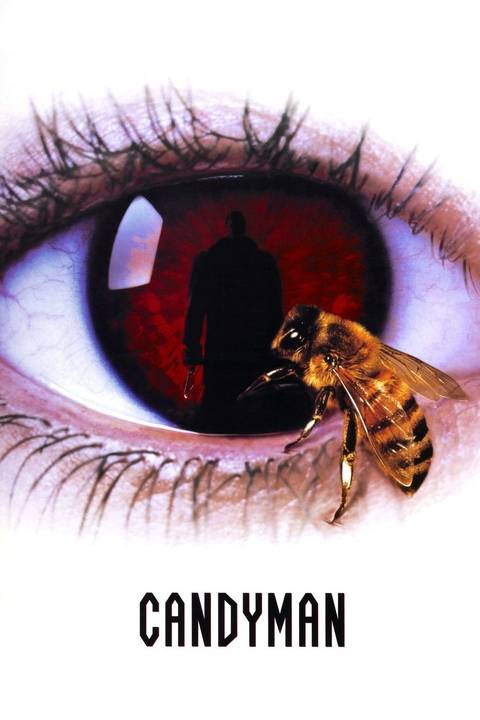
8. Candyman (1992)
Based on Clive Barker’s short story, “Candyman” delves into urban legend and the power of belief, forcing viewers to confront their own fears. The titular character, a spectral figure tethered to themes of social injustice and haunting folklore, transcends typical slasher norms. The film explores how historical traumas and societal neglect manifest into contemporary horrors, making it as thought-provoking as it is terrifying. The ambiguous nature of Candyman offers a multifaceted look at fear’s origins.
9. It Follows (2014)
In “It Follows,” the notion of an unrelenting curse serves as a metaphor for the insecurities of adolescence and sexuality. The film stands out with its innovative narrative, employing a slow-burn approach as an unknown force stalks its characters. The pervasive sense of dread and an ever-present inevitability provides a harrowing experience, compelling viewers to question their own vulnerabilities. The haunting cinematography and disturbing score create an inescapable atmosphere that grips audiences from start to finish.
10. The Babadook (2014)
A modern masterpiece, “The Babadook” transcends conventional slasher norms to delve into themes of grief and maternal anxiety. The eponymous creature embodies the protagonist’s struggles, redefining what it means to confront one’s demons. Rather than focusing on gore, the film employs psychological horror, leaving audiences unsettled as they witness the unraveling of the human psyche. Each frame amplifies a sense of dread, reminding viewers that the greatest horrors often reside within.
Ultimately, the slasher genre invites not only fear but also introspection. Each of these films offers a distinct perspective, challenging audiences to ponder their own vulnerabilities and the complexities of human desires and fears. As we journey through the blood-soaked realms of these chilling narratives, we discover that the true horror often lies not just in the killers themselves, but in the very nature of humanity.
FAQ
What is a slasher movie?
A slasher movie is a subgenre of horror featuring a killer who methodically stalks and kills a group of people, often with a sharp weapon.
Which movie is considered the first major slasher film?
Alfred Hitchcock's 'Psycho' (1960) is often credited as the pioneering film that shaped the slasher genre.
Why are slasher movies popular?
They tap into primal fears through suspense and vivid portrayal of vulnerability, offering cathartic thrills and cultural commentary.
Can slasher movies have deeper meanings?
Yes, many slasher films explore psychological themes, societal fears, and human nature beyond just the scares.






Leave a Reply