
Short Answer
In the realm of cinema, horror movies have a unique ability to tap into our primal fears, drawing on the shadows lurking in the recesses of our minds. Some films, however, transcend the boundary of mere entertainment and strike a chord of unsettling realism that lingers long after the credits roll. These films often tackle societal anxieties, personal demons, or dystopian scenarios that feel all too feasible. Here, we delve into the top ten scariest movies that evoke an uncanny sense of realism, leaving audiences breathless and contemplative.
1. The Babadook (2014)
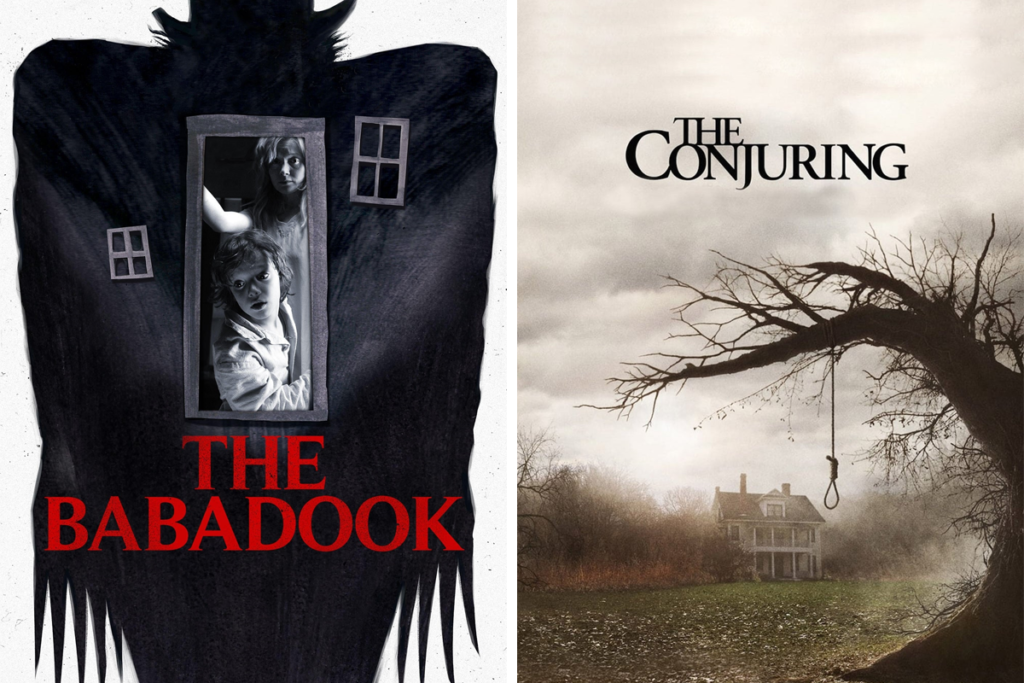
This Australian psychological horror film directed by Jennifer Kent explores grief and maternal struggle through the lens of a children’s book about a sinister creature. The titular Babadook symbolizes the manifestation of unresolved trauma and mental illness, effectively merging supernatural elements with the stark reality of a mother’s despair. The atmosphere is pervaded with tension, as viewers are drawn into a world where the fear of losing control becomes palpable.
2. Hereditary (2018)
Ari Aster’s debut feature is a harrowing exploration of familial dysfunction and grief’s corrosive effects. The film meticulously unfolds the story of the Graham family, whose seemingly ordinary lives unravel due to an unfathomable tragedy. The authenticity of the characters’ emotional struggles resonates deeply, transformed into a nightmarish spiral that viewers may find disturbingly relatable. The atmosphere is suffused with dread, accentuated by disturbing imagery and a haunting score.
3. The Strangers (2008)
Brandon E. Smith’s The Strangers brings forth an unnerving premise based on true events, focusing on a couple tormented in their secluded vacation home. The film’s genius lies in its simplicity and the stark portrayal of vulnerability—how easily exterior safety can be breached. The invasion of privacy, coupled with the absence of motivation from the assailants, amplifies the terror, making it all the more psychologically gripping.
4. The Silence of the Lambs (1991)
This iconic thriller, masterfully directed by Jonathan Demme, delves into the complex relationship between FBI trainee Clarice Starling and the imprisoned sociopath Dr. Hannibal Lecter. The film’s exploration of criminal psychology feels disturbingly credible, fueled by excellent performances from Jodie Foster and Anthony Hopkins. The chilling dialogue and psychological manipulation craft a narrative that is as intellectually stimulating as it is frightening.
5. Midsommar (2019)
In this sunflower-drenched tale of cult horror, Ari Aster once again showcases his penchant for blending the vibrant with the horrific. Midsommar captures the insidious nature of grief and the fragility of human relationships against a disquieting backdrop. The film embodies the essence of folk horror dressed in bright, inviting aesthetics, yet it possesses an undeniable core of menace, making it a thought-provoking exploration of cultural alienation.
6. Requiem for a Dream (2000)
While not a traditional horror film, Darren Aronofsky’s poignant portrayal of addiction evokes a horrifying descent into despair that feels uncomfortably real. Each character’s trajectory, marked by desperation and the corrosive force of drugs, resonates with authenticity, painting a bleak picture of the human condition. The film’s relentless pacing and surreal visuals challenge viewers to confront their own nightmares in the guise of addiction.
7. The Witch (2015)
Set in 17th-century New England, Robert Eggers’ The Witch encapsulates the paranoia and superstition of its time. Focusing on a Puritan family terrorized by unexplained occurrences, the film’s painstaking attention to period detail and authentic dialogue serves to immerse the audience in its oppressive atmosphere. The palpable tension and exploration of religious zealotry highlight the fear of the unknown, making it a harrowing viewing experience.
8. The Purge (2013)
This chilling film presents a dystopian America where all crime, including murder, is legal for one night each year. While the concept may seem exaggerated, it taps into contemporary fears surrounding crime, social fragmentation, and political disenfranchisement. The claustrophobic narrative unfolds against a backdrop of societal collapse, compelling viewers to reflect on the fragile nature of civility and order in the face of chaos.
9. It Follows (2014)
The premise of this film, where a supernatural entity relentlessly pursues its victim, serves as a metaphor for the pervasive anxiety of sexual experiences and the consequences tied to them. David Robert Mitchell’s ingenious use of cinematography and score amplifies the tension, creating an atmosphere that feels genuinely threatening. The lurking dread of an inevitable fate strikes a chord, as the impossibility of escape embodies deeper existential fears.
10. Funny Games (1997)
This Austrian psychological thriller directed by Michael Haneke creates an unpredictable and disquieting experience. The film revolves around a family taken hostage by two enigmatic young men while at their vacation home. The unsettling realism of the characters and their reactions to an absurdly violent situation serves to blur the lines between viewer and participant. Its commentary on violence in media forces the audience to confront their complicity in the very horror they witness.
As the credits roll on these films, viewers are often left feeling a lingering disquiet, as if the boundaries between fiction and reality have been shattered. Each narrative interlaces visceral storytelling with poignant explorations of psychological and societal themes. The scariest movies that feel too real not only terrify but compel us to reflect on the darker facets of humanity, leaving an indelible mark on our psyche long after viewing. In a world where imagination is boundless and fears are intrinsic, these films remind us that true horror often lies in the realm of possibility.
FAQ
What makes a horror movie feel too real?
Horror movies that feel too real often explore relatable psychological themes, societal fears, or plausible scenarios that resonate deeply with viewers, creating an unsettling sense of authenticity.
Are all the movies listed traditional horror films?
No, some films like Requiem for a Dream are not traditional horror but evoke horror through themes like addiction and despair that feel disturbingly real.
Why is psychological horror effective in creating realism?
Psychological horror taps into internal fears and mental struggles, making the horror feel personal and believable rather than relying solely on supernatural elements.
How do societal anxieties influence horror movies?
Many horror films reflect contemporary societal fears such as crime, social breakdown, or cultural alienation, which grounds the horror in real-world concerns.
Can a brightly colored movie like Midsommar be considered horror?
Yes, Midsommar uses vibrant visuals combined with disturbing themes to create a unique form of folk horror that subverts traditional expectations of the genre.





Leave a Reply