
Short Answer
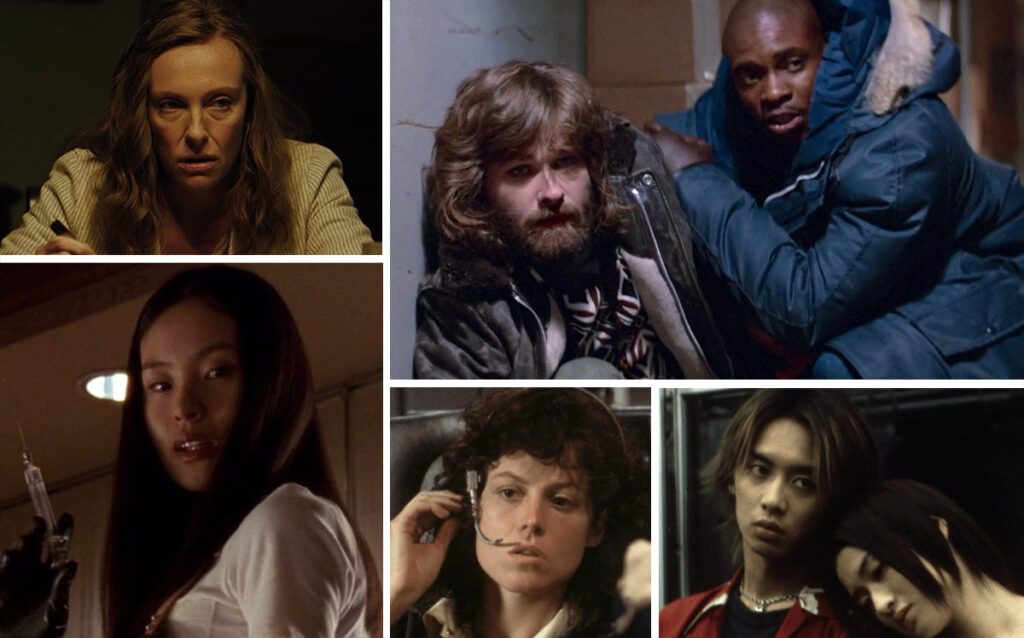
Fear is a complex emotion that tantalizes the imagination, provoking an array of responses that range from thrilling exhilaration to sheer terror. Throughout cinematic history, filmmakers have expertly crafted narratives that delve into our deepest anxieties, illuminating the human condition’s dark corners. This exploration of fear often unearths deeper societal and psychological themes, resonating with audiences on multiple levels. In this article, we will traverse the eerie landscape of cinema and unveil the ten scariest movies ever made, each ranked not just for their capacity to frighten but for their enduring impact on the horror genre and film as a whole.
10. The Babadook (2014)
The Babadook employs psychological horror to engage with themes of grief and maternal anxiety. The story follows Amelia, a widowed mother coping with the loss of her husband while struggling with her tumultuous son, Samuel. When a mysterious storybook creature, the Babadook, begins to invade their lives, the film evolves into a harrowing tale of fear and loss. The film’s masterful portrayal of mental illness coupled with its chilling atmosphere creates an unsettling experience that lingers long after the credits roll.
9. A Nightmare on Elm Street (1984)
Wes Craven’s A Nightmare on Elm Street introduced the world to Freddy Krueger, a malevolent entity that haunts the dreams of teenagers. The film cleverly juxtaposes the safety of sleep with the terror of one’s unconscious mind, probing into the realm of dreams where reality bends and horror prevails. The film’s innovative premise has sparked a myriad of sequels, yet its original vision remains unparalleled. The psychological implications of fear creeping into what should be a refuge greatly enhance its creep factor.
8. The Exorcist (1973)
The Exorcist remains a groundbreaking work, captivating audiences with its profound exploration of faith and existential dread. The demonic possession of young Regan MacNeil sends her mother, Chris, on a frantic quest for salvation. The film’s visceral materialization of evil challenges the viewers’ belief systems and moral foundations. Through haunting imagery and spine-chilling sound effects, The Exorcist solidifies its place as a titan within the horror genre, reflecting humanity’s struggle against the unknown.
7. Hereditary (2018)
Hereditary invites viewers into a labyrinth of familial trauma and existential despair. After the death of the family matriarch, secrets long buried begin to surface, unleashing a maelstrom of dread. Ari Aster’s unsettling directorial approach manifests in palpable tension, elevating the film’s examination of grief and madness. The overlapping of generational trauma with supernatural horrors creates a disquieting narrative that resonates deeply, prompting one to ponder the threads that bind family and how they can simultaneously provide comfort and inflict terror.
6. The Shining (1980)
Stanley Kubrick’s adaptation of Stephen King’s novel is a hallmark of psychological horror that delves into the breakdown of sanity. The isolation of the Overlook Hotel serves as a catalyst for Jack Torrance’s descent into madness, mirroring the fears of domestic dysfunction and personal failure. The film’s haunting imagery and eerie score create an atmospherically rich experience that invites multiple interpretations. Kubrick’s meticulous craftsmanship invites viewers to navigate its complexities, exploring the fine line between the supernatural and psychological horror.
5. Psycho (1960)
Alfred Hitchcock’s Psycho redefined the horror genre by integrating elements of thriller and drama, creating a tapestry of suspense that becomes increasingly disturbing. The character of Norman Bates and his chilling duality echo our deeper fears concerning identity and morality. The infamous shower scene remains one of the most iconic moments in cinema history, symbolizing vulnerability and the unpredictability of human nature. The film challenges viewers to confront the psyche’s hidden monstrosities, reflecting concerns surrounding trust and betrayal.
4. The Silence of the Lambs (1991)
The Silence of the Lambs intertwines horror with elements of psychological thriller, showcasing the complexities of the human brain through the chilling interactions between FBI trainee Clarice Starling and cannibalistic serial killer Hannibal Lecter. The film meticulously crafts a narrative that explores the nature of evil, intelligence, and human vulnerability. Its nuanced portrayal of the predator-prey dynamic instills a lingering unease, prompting a fascination with the depths of human depravity. The film remains a benchmark for its psychological intensity and character development.
3. The Conjuring (2013)
Grounded in the purportedly true accounts of paranormal investigators Ed and Lorraine Warren, The Conjuring deftly combines supernatural horror with authentic emotional weight. The film’s exploration of faith, love, and resilience in the face of malevolence resonates deeply with audiences. Utilization of practical effects and expert sound design cultivates an atmosphere thick with tension. The interplay of familial bonds against the backdrop of haunting forces underscores the film’s deeper commentary on love’s power against darkness.
2. Rosemary’s Baby (1968)
Polanski’s Rosemary’s Baby is a seminal work that intricately weaves themes of misogyny, paranoia, and betrayal into its narrative tapestry. The protagonist, Rosemary, experiences a gradual erosion of her autonomy as sinister forces conspire to manipulate her life. The film delves into the horrors of motherhood, identity, and the loss of agency, making it a profound commentary on societal norms. Its ethereal tension and subtle implications foster an atmosphere that questions the very notion of trust.
1. The Texas Chainsaw Massacre (1974)
The Texas Chainsaw Massacre stands as a seminal piece of filmmaking that encapsulates pure, visceral horror. Its grim realism and unrelenting intensity delve into the darkest recesses of humanity. The film explores themes of survival and the grotesque nature of familial loyalty while challenging societal and moral norms through its unfiltered lens. With an unsettling aesthetic and raw sound design, it consistently provokes profound emotional and psychological responses from viewers, securing its place as one of the scariest films of all time.
In summation, the allure of these films extends beyond mere frights or grotesque imagery; they encapsulate complex social commentaries, existential dread, and psychological revelations. The common thread uniting them is an exploration of the darker aspects of the human experience—the very essence of fear itself. It’s this interplay of entertainment and deeper understanding that solidifies their status as masterpieces within the horror genre. Each film serves as a lens through which one can view not only the fears and phobias that haunt us but also the triumphs and tragedies intertwined with the human experience.
FAQ
What criteria were used to rank the scariest movies?
The movies were ranked based on their ability to frighten, their psychological and societal themes, and their lasting impact on the horror genre.
Are these movies suitable for all audiences?
No, these movies often contain intense scenes of horror, violence, and psychological themes that may not be suitable for all viewers.
What types of horror are covered in these movies?
The list includes diverse horror subgenres such as psychological horror, supernatural horror, and visceral horror.
Do these movies have cultural or societal significance?
Yes, many of these films explore complex themes like grief, trauma, morality, and human psychology beyond their scare factor.






Leave a Reply