
Short Answer
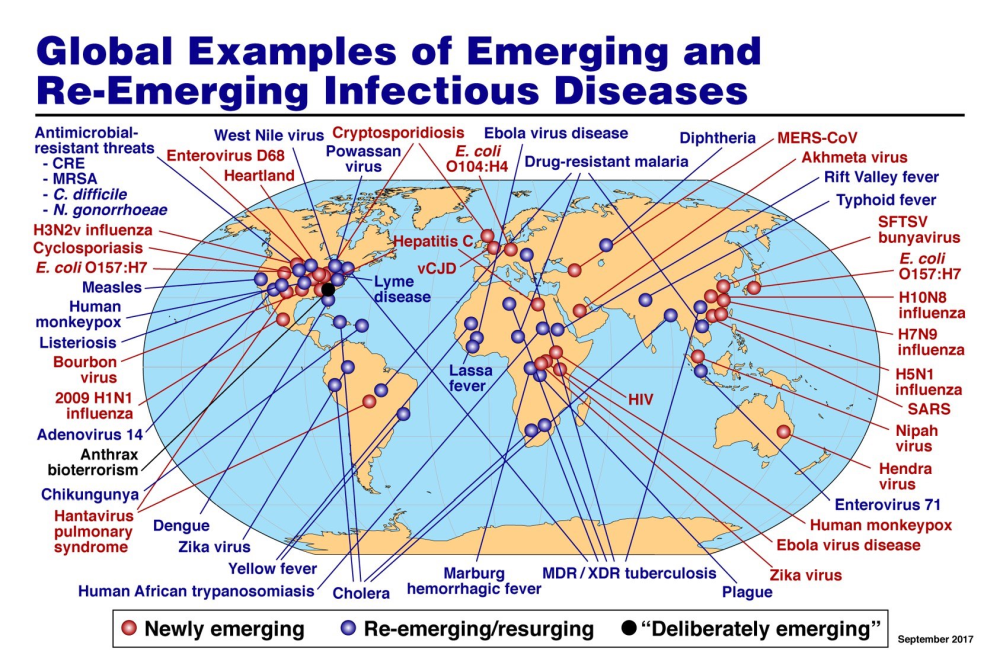
As the world continues to grapple with the implications of infectious diseases, health professionals are increasingly vigilant about a resurgence of certain pathogens that had previously faded into the background. Following years of neglect, some diseases once banished from the public consciousness are now reemerging, prompting a paradigm shift in how doctors and researchers approach global health. This article will delve into ten re-emerging diseases that are capturing the attention of medical experts worldwide, exploring their origins, current implications, and reasons for their resurgence.
1. Tuberculosis (TB)
Tuberculosis, often known simply as TB, has long been a formidable foe in the arsenal of infectious diseases. Although it had seen a significant decline in incidence in many regions, multi-drug resistant strains have rendered it a considerable challenge once more. TB thrives in communities with limited access to medical resources, making it particularly dangerous in developing countries. The resurgence of this airborne pathogen necessitates a unified global response, including intensified screening and improved vaccination strategies.
2. Measles
Once on the brink of eradication in many countries, measles has made a striking comeback. This infectious disease, characterized by fever and a distinctive rash, often results in severe complications. The declining rates of vaccination due to misinformation and vaccine hesitancy have contributed significantly to its resurgence. Public health officials recognize the urgency in combating this trend, highlighting the necessity of education on vaccination benefits to curtail outbreaks.
3. Dengue Fever
Dengue fever, transmitted by the Aedes mosquito, has emerged as a pressing concern globally, particularly in tropical and subtropical climates. An alarming surge in cases has been noted, with the disease often manifesting as a severe flu-like illness that can progress to life-threatening dengue hemorrhagic fever. Climate change, unchecked urbanization, and globalization contribute to the rapid spread of this disease, making it imperative that scientists develop effective vaccines and control strategies.
4. Zika Virus
The Zika virus gained prominence during the 2015-2016 outbreaks, and while the media spotlight has dimmed, it remains a concern for many health officials. Primarily transmitted by mosquitoes, Zika poses significant risks to pregnant women, leading to severe congenital malformations such as microcephaly in newborns. Vigilance is critical; understanding vectors’ behaviors and developing effective public health interventions are essential components of a comprehensive strategy against Zika.
5. Hantavirus
Hantavirus, primarily spread through rodent excreta, is a spotlight disease in certain regions, particularly the Southwestern United States. While relatively rare, outbreaks are sporadically reported and can be fatal. Increased human interaction with rodent habitats due to environmental changes heightens the risk of transmission. Health authorities encourage heightened awareness of sanitation and rodent control measures to mitigate potential outbreaks.
6. Chikungunya
Chikungunya, another mosquito-borne virus, has gained traction in previously unaffected areas, particularly in the Caribbean and parts of the Americas. Characterized by debilitating joint pain, it poses a significant health burden on affected populations. As travel and trade facilitate the movement of vectors and viruses across borders, continuous surveillance and community engagement are paramount in curbing its spread and protecting public health.
7. Pertussis (Whooping Cough)
Pertussis, or whooping cough, may evoke memories of childhood vaccinations, yet it remains a potent re-emerging threat. In recent years, there has been an uptick in cases, notably among adolescents and adults. This resurgence can be attributed—at least in part—to waning immunity post-vaccination. Health practitioners emphasize the importance of booster shots to combat this highly contagious respiratory infection and educate both parents and caregivers on immunization schedules.
8. Ebola Virus Disease
Since the devastating outbreaks in West Africa, Ebola virus disease has remained a focal point of global health discussions. While outbreaks are sporadic, the potential for rapid spread poses a significant risk, particularly given its high mortality rate. The complexity of healthcare infrastructure in affected areas complicates response efforts. Continued investment in research for treatments and vaccines, alongside improving surveillance systems, is vital in managing future outbreaks.
9. West Nile Virus
The West Nile virus, primarily spread by mosquitoes, has become endemic in many regions of the Americas. Although most infections are mild or asymptomatic, severe neurological cases can occur. Climate variations and expanding habitats for mosquitoes may contribute to a higher incidence rate. Understanding vector ecology and promoting community awareness about protective measures will play critical roles in managing this persistent threat.
10. Lyme Disease
Increasingly prevalent in many regions, particularly in the Northeastern United States, Lyme disease is transmitted through tick bites and can lead to severe long-term health issues like arthritis and neurological challenges. The rising incidence correlates with shifting ecosystems and expanded deer populations. Awareness campaigns emphasizing prevention, early detection, and treatment options are crucial in combating this evolving public health challenge.
In conclusion, the resurgence of these diseases underscores the dynamic interplay between human activity, environmental factors, and infectious pathogens. As global health landscapes shift, it is crucial for medical professionals, researchers, and communities to adapt. By fostering awareness, enhancing surveillance, and promoting preventive measures, the tide can be turned against these re-emerging threats. The next chapter in global health will depend significantly on our collective response to these challenges. Vigilance, education, and innovation will be paramount in steering the future of infectious disease management.
FAQ
What are re-emerging diseases?
Re-emerging diseases are infectious diseases that were previously controlled or declining but have started to increase in incidence again due to various factors such as reduced vaccination and environmental changes.
Why are diseases like tuberculosis and measles making a comeback?
These diseases are re-emerging mainly due to issues like multi-drug resistance, vaccine hesitancy, and decreased immunization coverage.
How do environmental changes impact the spread of diseases like dengue and West Nile virus?
Environmental changes such as climate change and urbanization expand mosquito habitats, increasing the risk and geographic range of these diseases.
What can individuals do to protect themselves from re-emerging infectious diseases?
Individuals can stay up to date on vaccinations, use protective measures against insect bites, maintain good hygiene, and stay informed about outbreaks.





Leave a Reply