
Short Answer
Imagine walking into a room full of dazzling jewels, each one vying for your attention. But amidst the familiar sparkle of diamonds and sapphires, could you identify the rarest gemstones, the ones that are worth millions? More specifically, how many can you name before you start to feel challenged? This quest for knowledge is not just intriguing; it opens the door to a world filled with wonder and value hidden beneath the earth’s surface.
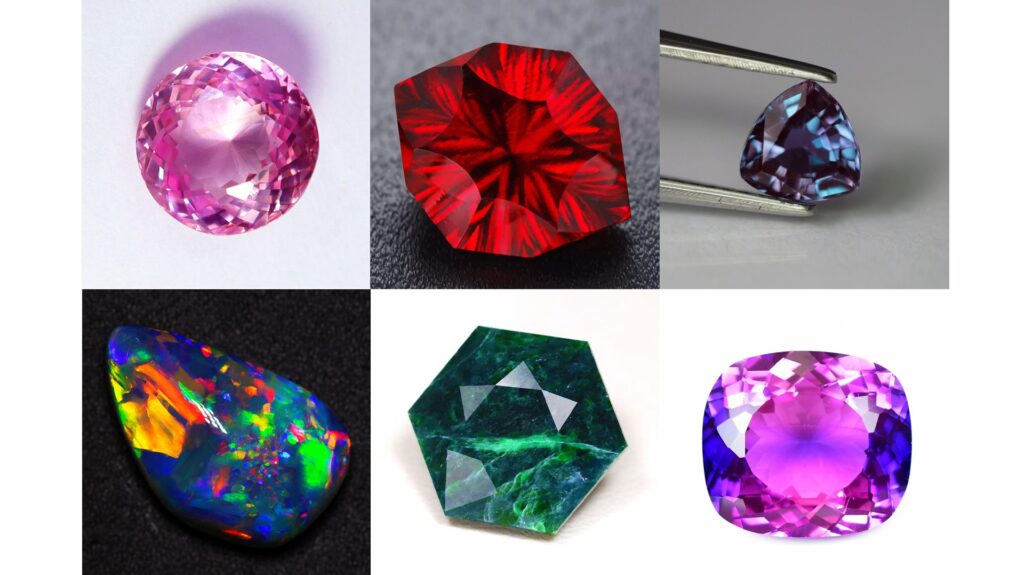
Throughout history, certain gemstones have captivated collectors and gem enthusiasts due to their stunning beauty and extreme scarcity. Here’s an exploration into the top ten rarest gemstones on Earth, each boasting unique features that set them apart in the gemological world.
1. Painite
Often touted as the world’s rarest mineral, Painite was first discovered in Myanmar and initially listed in the Guinness Book of World Records. With fewer than 25 known specimens globally, this gemstone is characterized by its striking brownish-red hue. The scarcity of Painite is compounded by its complex formation process, making it a sought-after prize for serious collectors.
2. Red Beryl
Also referred to as bixbite, Red Beryl is a vibrant alternative to the typical red gemstones. Its exquisite color can be attributed to the presence of manganese within its crystal structure. Found primarily in the Wah Wah Mountains of Utah, this gemstone is over 1,000 times rarer than diamonds, and its dazzling red shades can fetch staggering prices at auctions.
3. Alexandrite
What makes Alexandrite especially unique is its remarkable color-changing ability. This gemstone exhibits a mesmerizing shift from green in daylight to a purplish-red under incandescent light. Found predominantly in Russia, the scarcity of high-quality gemstones has contributed to its significant market value. The most striking pieces are often reminiscent of a chameleon, adapting to their surroundings in the most elegant way.
4. Grandidierite
Discovered in Madagascar, Grandidierite is a translucent blue-green gemstone that has recently gained attention for its rarity and beauty. Despite its exquisite colors reminiscent of tranquil sea waters, it is incredibly difficult to find in larger sizes. This gemstone’s limited availability and the increasing demand from collectors have led to a price surge, often reaching tens of thousands per carat.
5. Musgravite
This gemstone was first identified in the Musgrave Range of Australia and is celebrated for its range of colors, from gray to violet. Once considered merely a variety of beryl, Musgravite has solidified its reputation as one of the rarest gemstones in the world, with only a handful of high-quality specimens available. Gem aficionados recognize it both for its beauty and investment potential, making it a collectors’ dream.
6. Taaffeite
Astonishingly, Taaffeite was initially mistaken for spinel until its true identity was uncovered. This richly colored rarity comes primarily in shades of violet and lavender. It’s even more elusive than ruby or sapphire, with only a few known sources. Its rarity has made it a coveted gem, often elevated to stratospheric auction prices that reflect its desirability.
7. Serendibite
Originating from Sri Lanka, Serendibite is a multi-colored beauty that dazzles with its deep, complex hues ranging from blue to green. Its name is derived from the ancient Persian word for Sri Lanka, reflecting its rich geographical history. The rarity of Serendibite can be attributed to the limited mining sites and its unusual formation, making it one of the most sought-after gemstones on the market.
8. Jadeite
While jade is a common term, Jadeite – specifically the type that comes from Myanmar – is among the most valuable varieties. The most prized color is imperial green, which often fetches extraordinary prices, sometimes exceeding that of diamonds. Its cultural significance in Asia, particularly China, adds to its allure, as it is considered to be a symbol of wealth and status.
9. Blue Garnet
Garnets are traditionally known for their deep red hues, but Blue Garnet is a rare phenomenon that changes color under different lighting, often appearing bluish-green in daylight and a purplish hue in incandescent light. Found mainly in Madagascar, this gemstone represents a remarkable twist on conventional garnets, and its rarity places it firmly in the elite echelon of gemstones that demand higher prices.
10. Black Opal
Celebrated for its vibrant play of colors, Black Opal is the most sought-after variety of opal. Its mesmerizing patterns of greens, blues, and fiery reds create a visual feast. Most Black Opals are sourced from Australia, where mining operations yield fewer high-quality pieces, making them incredibly valuable. The allure of their beauty often translates to jaw-dropping prices, which can easily reach into the millions.
In the jewel-obsessed world, the allure of these rare gemstones is both captivating and formidable. With limited supply and burgeoning demand, pursuing these treasures poses a fascinating challenge. Which of these rare gems would you aspire to own? The rarest gemstones are not merely pretty faces; they are an investment, a testament to the earth’s hidden splendors, and a celebration of rarity.
In conclusion, delving into the world of rare gemstones unravels a dazzling narrative of nature’s artistry and human fascination. Each gemstone tells its own story, marked by its formation, cultural significance, and the passion it ignites in collectors and jewelers alike. As you explore this realm, take a moment to ponder: if given the opportunity, which rare gemstone would you choose to add to your collection?
FAQ
What makes a gemstone rare?
A gemstone's rarity is determined by its scarcity in nature, difficulty of extraction, unique physical properties, and limited geographical sources.
Why are rare gemstones so valuable?
Their value comes from their scarcity, unique beauty, demand among collectors, and often their cultural or historical significance.
Can rare gemstones be a good investment?
Yes, rare gemstones can appreciate in value over time due to their scarcity and demand, but investing requires knowledge of the market and authenticity.
Where are most rare gemstones found?
Many rare gemstones are sourced from specific regions such as Myanmar, Madagascar, Russia, Australia, Sri Lanka, and Utah in the USA.






Leave a Reply