
Short Answer
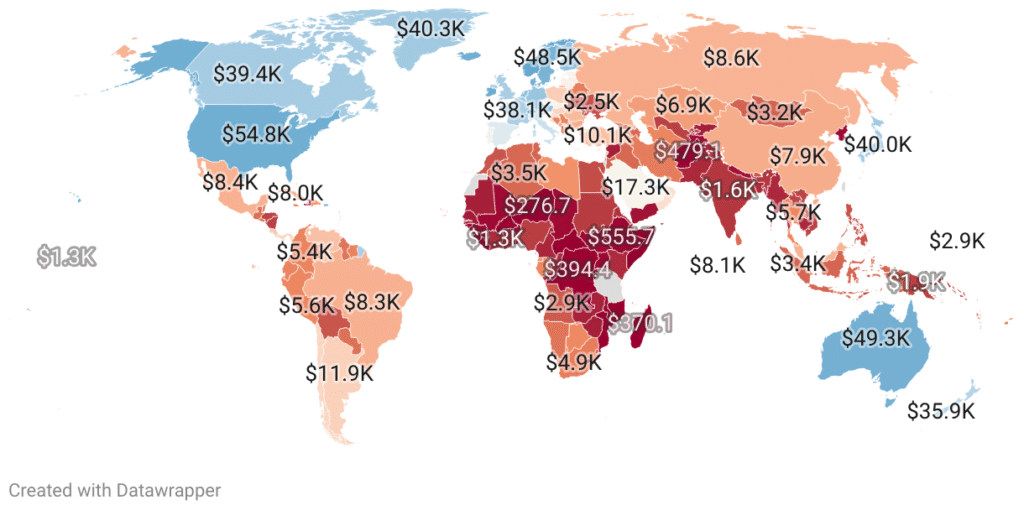
As we navigate through the intricate landscape of global economics, one undeniable reality stands at the forefront: poverty remains a pervasive challenge that afflicts numerous nations. According to data from 2026, several countries epitomize this predicament, grappling with stark economic adversities, limited resources, and social complications. In this enlightening exploration, we delve into the ten poorest countries in the world, illuminating their unique circumstances and the multifaceted landscapes that contribute to their economic standing. Each entry provides a window into the struggles for survival and growth that these nations face, shedding light on a dire global issue.
1. Burundi
In the heart of East Africa lies Burundi, a landlocked nation with a profound reliance on subsistence agriculture. Over 70% of the populace lives below the international poverty line, struggling to access basic necessities such as food, clean water, and healthcare. Political instability and civil unrest have hampered economic progress, leaving the country mired in a cycle of poverty and underdevelopment. Agriculture, primarily tea and coffee farming, remains the backbone of the economy but has been insufficient to uplift millions out of destitution.
2. South Sudan
Emerging from decades of conflict, South Sudan stands as the world’s youngest nation, yet its economic challenges are staggering. The continuous strife has devastated infrastructure, while the fledgling government grapples with corruption and mismanagement. Oil revenues, which could have spurred development, have often been squandered, leaving the majority of citizens without basic services. Agriculture faces an uphill battle as security issues prevent farmers from cultivating their lands, exacerbating chronic hunger and poverty.
3. Malawi
Malawi, known for its idyllic landscapes, is a quintessential example of how natural beauty does not equate to economic prosperity. With a per capita income that barely eclipses the poverty threshold, the nation experiences acute food insecurity fueled by erratic weather patterns and reliance on a single crop—maize. Efforts to diversify agriculture have seen limited success, hampered by infrastructural deficiencies and limited access to markets. Education and healthcare systems remain underfunded, perpetuating cycles of illiteracy and poor health among the populace.
4. Mozambique
Mozambique, endowed with rich natural resources, presents an ironic case. Despite its mineral wealth, a significant portion of the population remains mired in poverty. The nation has faced economic turmoil due to past civil wars and rampant corruption, which have stymied development initiatives. Large segments of the population depend on subsistence farming, grappling with chronic food insecurity. The government is striving to bolster economic opportunities through infrastructure development and investment in the agriculture sector, yet progress is slow due to systemic challenges.
5. Democratic Republic of the Congo (DRC)
The DRC is a vast nation with abundant natural resources, yet it remains an exemplar of paradoxical poverty. Resource wealth coexists with industry neglect and rampant conflict, which have historically disrupted economic stability. Widespread corruption exacerbates the situation, with corrupt practices siphoning off valuable resources meant for development. The agricultural sector suffers from a lack of infrastructure and investment, while millions lack access to clean water, education, and healthcare, contributing to a lifelong cycle of poverty.
6. Niger
In West Africa, Niger grapples with one of the lowest Human Development Index ratings globally. The nation faces severe challenges, including extreme droughts, a high fertility rate, and chronic malnutrition. While pastoralism and subsistence farming are the primary livelihoods, inadequate infrastructure and market access impede economic progress. Education and healthcare systems are struggling to cope with the demands of a rapidly growing population, leading to widespread ignorance and poor health outcomes.
7. Central African Republic (CAR)
The Central African Republic is marred by political instability and ongoing conflicts, rendering it one of the poorest countries on the globe. Once endowed with significant mineral resources, the continual civil unrest has crippled economic activity and infrastructure development. The majority of the population engages in subsistence farming, while essential services such as education and healthcare remain severely underfunded. International aid has often been hampered by security concerns, leaving the citizenry in a state of perpetual need.
8. Liberia
Liberia has endured tumultuous civil wars and a slow recovery, which has severely impacted its economic landscape. Although it is rich in natural resources, the economic benefits have yet to permeate to the broader society. High unemployment rates and limited access to basic services create a precarious environment for the population, where many live on less than $1.25 a day. The government’s focus on infrastructural rebuilding and investment in programs aimed at poverty alleviation is crucial for fostering sustainable growth.
9. Guinea
Rich in bauxite and gold, Guinea’s paradox of wealth and poverty is striking. Past political turmoil and inadequate governance structures have hindered the development of infrastructure and service delivery. A significant portion of the population is engaged in subsistence agriculture, while issues such as child malnutrition and limited access to education persist. Striving towards better governance and transparency could potentially facilitate a pathway out of poverty for many Guineans.
10. Chad
Chad, characterized by its arid geography and internal strife, finds itself grappling with extreme poverty and food insecurity. The nation’s skimpy resources have been exacerbated by poor infrastructure, limited healthcare facilities, and insufficient educational opportunities. Agriculture, predominantly rain-fed, is susceptible to climate change, impacting food production adversely. Humanitarian crises continue to plague the region, complicating efforts to foster a more stable economic environment.
In conclusion, the challenges faced by the poorest countries in the world are multifaceted and deeply entrenched in their historical, social, and political contexts. As these countries navigate through adversity, the global community must foster greater awareness and support for sustainable development initiatives. Addressing the roots of poverty is not merely a philanthropic obligation; it is a shared responsibility in advancing global human dignity and prosperity. Only through concerted efforts, both locally and internationally, can we hope to alter the narrative of poverty in these nations, transitioning from despair to hope.
FAQ
What defines the poorest countries in the world?
The poorest countries are typically defined by low per capita income, high poverty rates, limited access to basic services, and economic instability.
What are common factors contributing to poverty in these countries?
Common factors include political instability, conflict, dependency on subsistence agriculture, corruption, poor infrastructure, and limited access to education and healthcare.
How can international communities help alleviate poverty in the poorest countries?
International communities can support through sustainable development initiatives, aid programs, investment in infrastructure, education, healthcare, and promoting good governance.






Leave a Reply