
Short Answer
Throughout the realm of herpetology, few creatures inspire as much awe and fear as snakes. While commonly viewed through a lens of trepidation, these serpentine creatures play vital roles in their ecosystems. Among the multitude of species slithering the earth, certain snakes possess venom so potent that their mere presence commands respect—if not outright caution. In this exploration, we delve into the top 10 most venomous snakes ever discovered, providing an insight into their remarkable biology and the mystique that surrounds them.
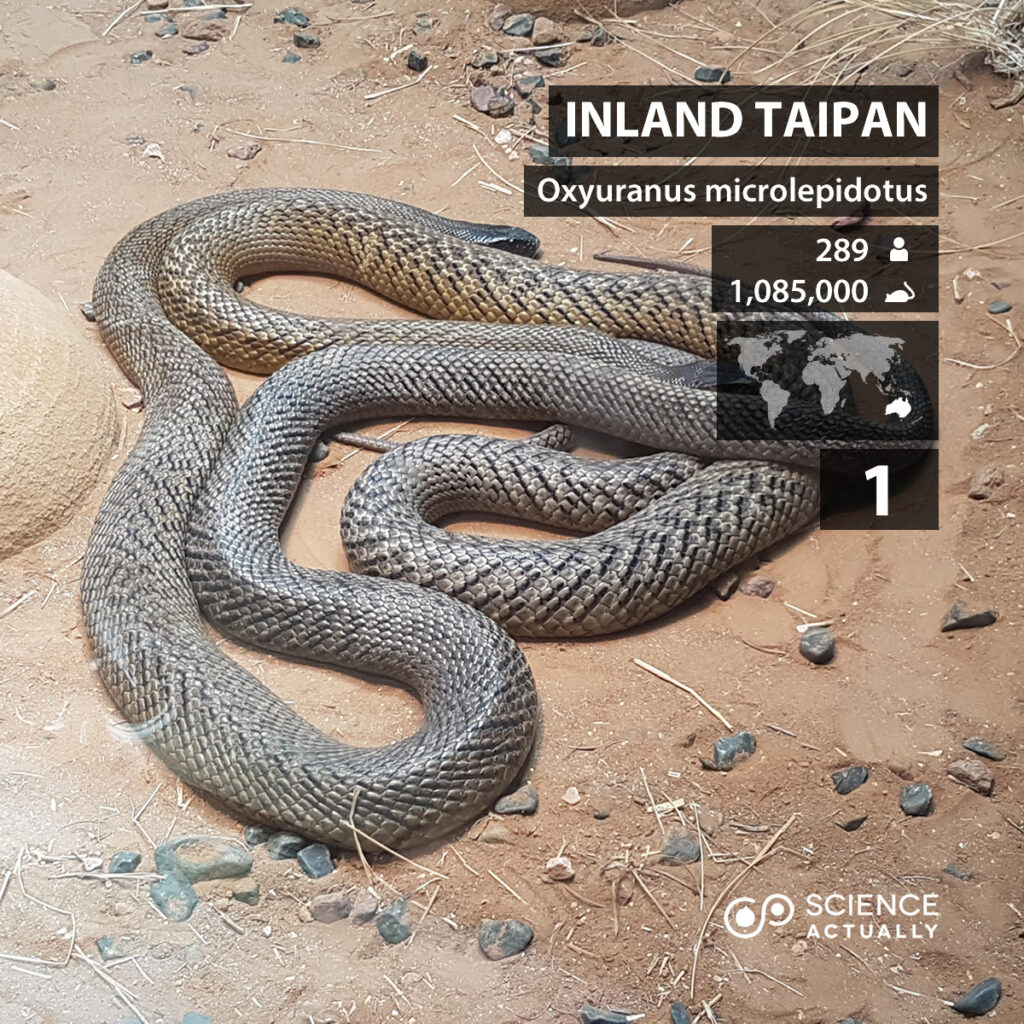
1. Inland Taipan
Hailing from the arid regions of Australia, the Inland Taipan, also known as the “fierce snake,” is notorious for harboring the most venomous toxin of any snake. Its venom, composed of a cocktail of neurotoxins and myotoxins, can incapacitate a full-sized mammal in mere minutes. Remarkably, despite its lethality, the Inland Taipan is reclusive and rarely encountered by humans, demonstrating an air of discretion that adds to its enigmatic allure.
2. Eastern Brown Snake
Found predominantly along the eastern coast of Australia, the Eastern Brown Snake is responsible for the highest number of snakebite fatalities in the country. This agile and quick-witted snake injects venom rich in anticoagulants that can cause uncontrollable bleeding. With its slender body and sharp observational skills, this snake embodies the perfect paradox of beauty and danger, a true testament to nature’s complexity.
3. Black Mamba
Occupying the savannahs and forested areas of sub-Saharan Africa, the Black Mamba is a formidable contender in the snake world. One of the fastest snakes on the planet, it can reach speeds of up to 12 miles per hour. Its venom, primarily neurotoxic, can lead to death within hours if left untreated. The strikingly elegant appearance of this snake belies its deadly potential, making it a captivating subject in the study of reptilian behavior.
4. King Cobra
As the longest venomous snake in the world, reaching lengths of up to 18 feet, the King Cobra is a majestic yet fearsome creature. Found in forests and grasslands throughout Southeast Asia, its venom is primarily neurotoxic and can kill within 30 minutes. The King Cobra exhibits a profound level of intelligence, showcasing behaviors such as parental care, which is rare among snakes. This complexity adds a layer of depth to its feared reputation, evoking both fascination and caution.
5. Many-Banded Krait
Native to Southeast Asia and known for its distinct black-and-yellow banding, the Many-Banded Krait is as stunning as it is deadly. Its venom contains potent neurotoxins, causing respiratory failure and paralysis. While its gaze can charm, its bite is a reminder of the unseen potency of beauty. The Krait’s nocturnal habits often lead it to predate on smaller snakes, cleverly illustrating the intricate dynamics within the snake community.
6. Common Mamba
Distinct from the Black Mamba, the Common Mamba resides primarily in West Africa and possesses a similar capacity for aggression when threatened. Its venom, containing powerful neurotoxins, inflicts rapid damage to the nervous system. This snake’s propensity for striking up to 12 times in a single encounter makes it particularly terrifying. With a length that can reach up to 10 feet, the Common Mamba blends effortlessly into its environment while remaining an apex predator.
7. Tiger Snake
Navigating the coastal regions of Australia, the Tiger Snake is renowned for its striking coloration and aggressive nature. Its venom is highly cytotoxic, resulting in significant tissue damage. The Tiger Snake is a highly adaptable species, thriving in both terrestrial and aquatic environments. This adaptability, coupled with its potent venom, reinforces its status as a quintessential survivor in the snake world, underscoring the relentless continuity of life.
8. Fer-de-Lance
This Latin American marvel is as notorious as it is beautiful, boasting a striking appearance that belies its lethal capabilities. The Fer-de-Lance, or Bothrops asper, exhibits a venom that is hemotoxic, causing extensive tissue necrosis. Its ability to camouflage makes it a fearsome predator, preying on small mammals and birds. The snake’s reputation is often magnified by the frequency of encounters with humans, reinforcing its status in the cultural narratives of the region.
9. Philippine Cobra
Found mainly in the Philippines, this distinctive snake is known for its ability to deliver a venomous bite and for its capacity to spit venom with remarkable accuracy. The neurotoxic effects of its bite can result in respiratory failure in a short span, making it one of the most perilous among its kin. Its adaptability to various habitats illustrates the resilience of life and its ability to flourish even in challenging environments.
10. Gaboon Viper
Residing within the lush rainforests of Central and West Africa, the Gaboon Viper is distinguished by its striking pattern and large size. Although its venom is not the most potent among venomous snakes, its delivery system is impressive; it possesses the longest fangs of any snake. The Gaboon Viper’s presence in folklore and mythology underscores its status, offering a rich tapestry of cultural significance intertwined with its biological reality.
In conclusion, while these ten serpents embody the zenith of venomous capability, they also remind us of the intricate web of life in which they exist. Each snake possesses a unique ecological role, revealing the delicate balance between danger and beauty. These magnificent creatures invite us to appreciate biodiversity and imbue us with a sense of wonder. As we delve deeper into their mysterious lives, we emerge with a newfound respect for the complexities of nature and the serpents that so enigmatically traverse it.
FAQ
Which snake has the most potent venom?
The Inland Taipan is considered to have the most potent venom of any snake.
Are all venomous snakes dangerous to humans?
Not all venomous snakes are equally dangerous to humans; some are reclusive and rarely encounter people, while others are more aggressive or live near human habitats.
What types of venom do these snakes have?
Venoms vary and can be neurotoxic, hemotoxic, cytotoxic, or myotoxic, affecting the nervous system, blood, tissues, or muscles respectively.
How do these snakes contribute to their ecosystems?
Venomous snakes help control populations of prey species, maintain ecological balance, and serve as prey for other animals.
Can the venom of these snakes be treated?
Yes, with prompt medical treatment and antivenom administration, bites from many venomous snakes can be managed effectively.





Leave a Reply