
Short Answer
Amid the flickering lights of the silver screen, some films venture beyond the ordinary to evoke a visceral response from their viewers. Horror, as an artistic genre, is an intricate tapestry woven with fear, shock, and the exploration of the unknown. The power of cinematic terror lies not only in its ability to frighten but also in its capacity to shift perceptions and provoke introspection. Journey with us as we unravel the ten most terrifying movies ever released, each one a harrowing exploration of fear that lingers long after the credits roll.
1. The Exorcist (1973)
Often heralded as the epitome of horror cinema, “The Exorcist” remains an unsettling exploration of good versus evil. Based on the alleged true story of a young girl possessed by a demon, the film transcends conventional horror tropes. With extraordinary performances and chilling visual effects, it invites viewers into the darker recesses of faith and doubt. The film’s relentless build-up, punctuated by the famous head-turning scene, renders it an indelible touchstone in the lexicon of terror.
2. Hereditary (2018)
A disturbing foray into familial trauma, “Hereditary” masterfully weaves psychological horror with supernatural elements. The film unflinchingly exposes the fragility of familial bonds against a backdrop of grief and legacy. The gut-wrenching revelation of hidden secrets within the family elevates the sense of dread, culminating in a climactic horror that challenges the notion of inherited trauma. Its haunting imagery and evocative score create a lingering sense of unease that resonates deeply.
3. The Shining (1980)
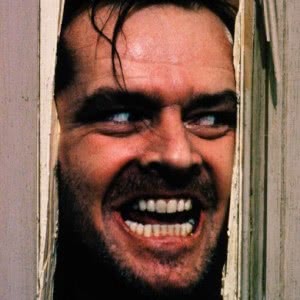
An adaptation of Stephen King’s novel, “The Shining” utilizes isolation to incite madness. Set against the backdrop of the eerie Overlook Hotel, this film transcends traditional horror through a psychological lens. Jack Nicholson’s iconic portrayal of Jack Torrance unravels before the audience, embodying the slow descent into lunacy. The film’s ominous score and meticulously crafted cinematography tap into our primal fears, solidifying its reputation as a defining piece of horror cinema.
4. Psycho (1960)
Alfred Hitchcock’s “Psycho” revolutionized the horror genre by merging psychological drama with chilling suspense. The infamous shower scene, seared into the cultural consciousness, disrupted viewers’ expectations and redefined cinematic standards for shock. The film’s exploration of duality—manifested through the character of Norman Bates—forces audiences to confront the unsettling nature of the human psyche. Its influence reverberates through countless horror films that followed.
5. The Babadook (2014)
“The Babadook” transcends mere horror to delve into themes of grief and motherhood. The spectral figure of the Babadook acts as a manifestation of trauma, inviting audiences to grapple with their own vulnerabilities. The film’s slow burn—paired with atmospheric tension—culminates in a profound exploration of loss and acceptance. The blend of psychological horror with poignant emotional storytelling cultivates a rich tapestry of discomfort that is as compelling as it is terrifying.
6. It Follows (2014)
“It Follows” introduces an innovative premise: an entity that relentlessly stalks its prey, spreading through a curse borne of sexual intimacy. By evoking a sense of dread through mundane settings, the film compels viewers to reassess their environment. The haunting score and meticulously crafted cinematography contribute to an overarching atmosphere of paranoia. This film deftly illustrates the concept of inevitability, crafting an experience that stays with audiences long after the final frame.
7. The Ring (2002)
This American remake of the Japanese classic “Ringu” delves into the theme of cursed media. A videotape that predicts death within seven days becomes the catalyst for unfathomable terror. The gradual disintegration of the protagonist’s reality leads to a chilling confrontation with the unknown. The film’s haunting imagery and unsettling narrative leave viewers grappling with the implications of consuming media and the permanence of trauma. It’s a masterpiece that hinges on anxiety, both profound and palpable.
8. Midsommar (2019)
“Midsommar” redefines horror by juxtaposing sunlight with sheer dread. Set in a seemingly idyllic Swedish village, the film explores themes of grief and cultural dislocation. The protagonist’s journey into a world of pagan rituals and communal living unravels layers of psychological distress and existential horror. The stunning visuals and eerie soundtrack work in tandem to envelop viewers, creating an immersive experience that challenges their perception of safety and familiarity.
9. A Nightmare on Elm Street (1984)
Introducing the enigmatic figure of Freddy Krueger, “A Nightmare on Elm Street” explores the terrifying intersection of dreams and reality. The film plays upon our most primal fear—the vulnerability of slumber—inviting horror into the realm of the subconscious. Wes Craven’s clever narrative interlaces suspense with dark humor, crafting a unique dichotomy that leaves audiences enthralled. Krueger’s quips and unsettling presence serve as a reminder that horror can manifest in the most unexpected ways.
10. Get Out (2017)
Jordan Peele’s “Get Out” cleverly intersects horror with social commentary, masterfully addressing racial tensions within a seemingly innocuous setting. The encapsulation of dread within the banal—a visit to meet a daughter’s parents—develops into an unnerving exploration of exploitation and identity. By intertwining psychological horror with astute observations on societal norms, the film challenges viewers to reevaluate their perceptions of fear and its manifestations.
As we conclude this exploration of cinematic terror, it becomes evident that the most terrifying movies do more than evoke fear; they challenge our perspectives and invite us to confront the shadows lurking in our own lives. Each of the films profiled above embodies a unique approach to horror, offering rich narratives that linger in the minds of viewers, transforming the experience of fear into something profound and thought-provoking. The next time you settle in for a night of horror, remember that those who dare to watch often emerge transformed, having faced not just the monsters on screen, but also those within themselves.
FAQ
What criteria were used to select these terrifying movies?
Movies were selected based on their impact on the horror genre, unique storytelling, psychological depth, and lasting influence on audiences.
Are these movies suitable for all audiences?
No, these films often contain intense horror elements, mature themes, and disturbing content, so viewer discretion is advised.






Leave a Reply